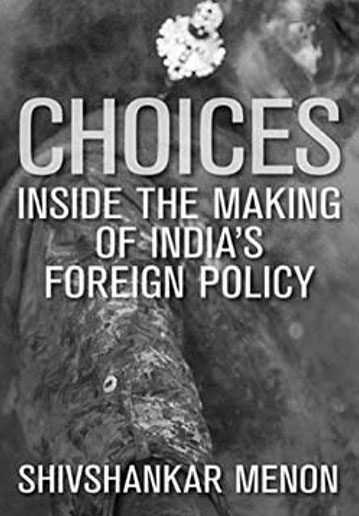
Modern India’s history is counted from 1947, but the making of India’s current foreign policy goes back to 1990 or there abouts. A number of factors, both global and domestic, that crystallized in the late 1980s-early 1990s mark a clear change in course at the time. In India, there was political turmoil, and two short-lived governments (led by PMs V.P. Singh and Chandrashekhar) followed by the assassination of Rajiv Gandhi, had left India shaken both economically, and in terms of leadership.
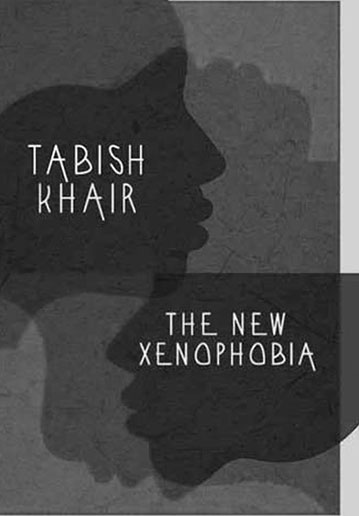
Tabish Khair’s The New Xenophobia is a bold effort to examine an increasingly pressing universal phenomenon, which the world has been ignoring as being part of the past. The importance of this work is that it seeks to place what it terms as ‘New’ in the perspective of what was the old xenophobia within the author’s broad concept that ‘Power refers to any imposition, physical or not, of one consciousness upon another’ approvingly quoting Emmanuel Levinas, the French Lithuanian 20th century philosopher, on the nature of violence beyond physical.
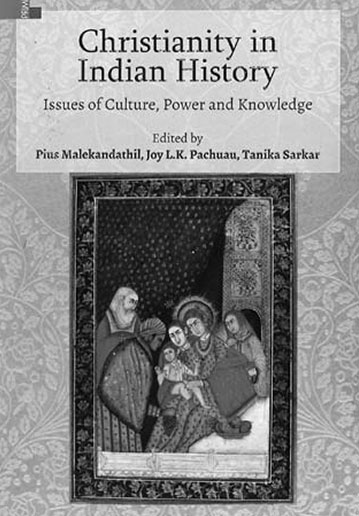
In the long history of Christianity in India spanning millennia, the Christian faith came to be rooted in the multicultural pluralistic tapestry of India, and was articulated and found expression in multiple ways depending on specific contexts. During the course of its journey, Indian Christianity became complex and multilayered and known for its adaptations, collaborations and contestations with the local culture and history.
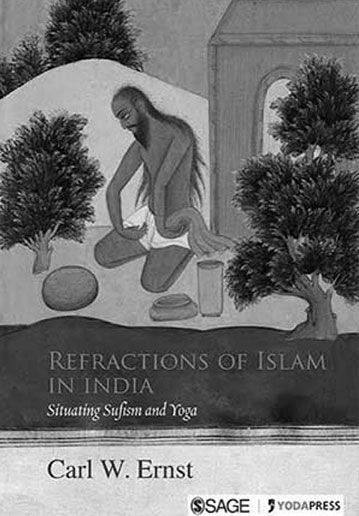
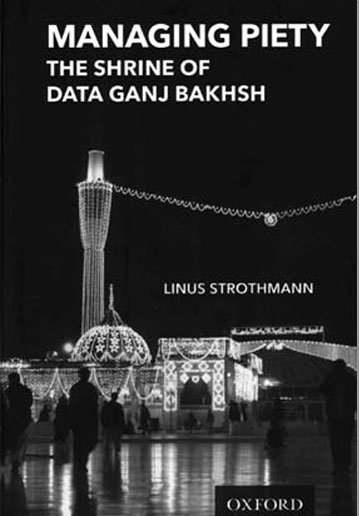
With Sufism being viewed as a counter narrative to radical Islam, there is a renewe interest in this mystical aspect of Islam, particularly of Sufi traditions in the subcontinent. These three books published recently highlight the cultural, historical and spiritual legacies of important Sufis in the subcontinent. Shaykh Usman Ali Hujwiri is popularly known as Data Ganj Baksh. Beginning with Data Sahib’s arrival in Lahore from Ghazna in the eleventh century, Sufi philosophy began to impact both the intellectual and social life of Muslim communities.