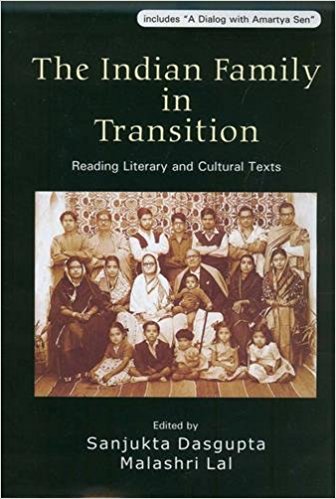
Sanjukta Dasgupta and Malashri Lal

This book under review draws upon a wealth of talent to throw light on an institution that even as it is familiar remains been little examined. This book explores literary and cultural representations of the Indian family to examine the evolution of the Indian family from ancient times, through the colonial period to the present.


Reviewed by: Gitanjali Prasad
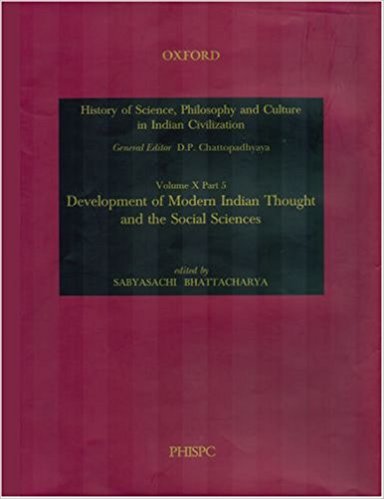
Sabyasachi Bhattacharya

The aim of the book is to explicate the moorings and development of social, economic and political thought prior to the institutionalization of social science disciplines at universities in India.


Reviewed by: Valerian Rodrigues
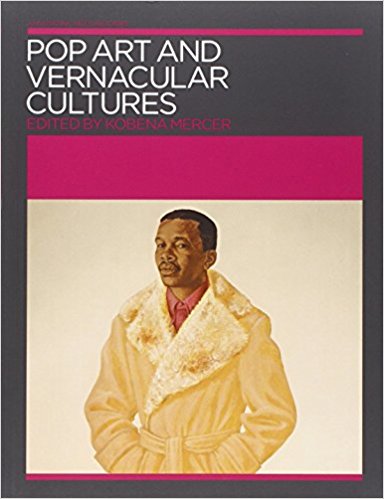
Kobena Mercer

The defining moment of Pop art is in the 1960s, the materials in question for analyses are film, television, magazines, billboard advertising. These question the elitism and insularity of modern art.


Reviewed by: Susan Visvanathan
Pramod K. Nayar

In this contribution to Indian Cultural Studies Pramod Nayar focuses on those intersections of ‘high’ and ‘low’ culture where the hegemony of one kind of public culture is established; an aspect that has informed the contours of cultural identity since Independence. Strategies of exclusion and inclusion ensure that paradoxically both ‘high’ (museum) and ‘popular/mass’ (conventional cinema, comic book) culture are in fact working towards maintaining the status quo and the idea of a pan-Indian identity.


Reviewed by: Madhu Sahni
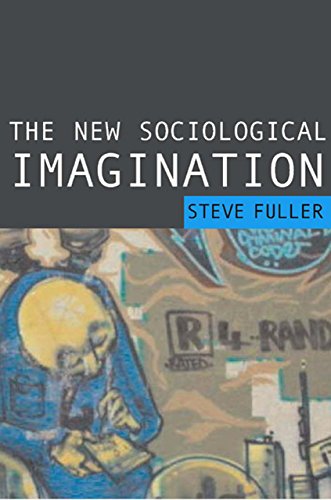
Steeve Fuller

The New Sociological Imagination argues that there are two trends which pose a serious challenge to 21st century sociology. One pertains to the role of social sciences in society, the other to the biological challenges to social sciences in an academia where it is no longer out of the ordinary to privilege nature over nurture.


Reviewed by: Maitrayee Chaudhuri