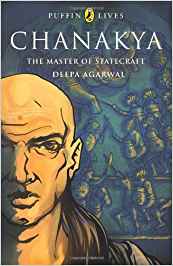
Deepa Agarwal
The Magadha King Dhana Nanda had become unpopular because of his vile tongue, bad temper and greedy ways.
Reviewed by: Nilima Sinha

The Magadha King Dhana Nanda had become unpopular because of his vile tongue, bad temper and greedy ways.

This collection of essays by Indian academics on American literature ranges in quality from the solitary brilliance of V.Y. Kantak’s essay on Faulkner’s Technique, through the competent and interesting (Neila Seshadri’s Leslie A. Fiedler: Critic as Mythographer, Isaac Sequeira’s Essay on Sylvia Plath), to the (alas!) majority that is mediocre, or, at best, stolid and painstaking.
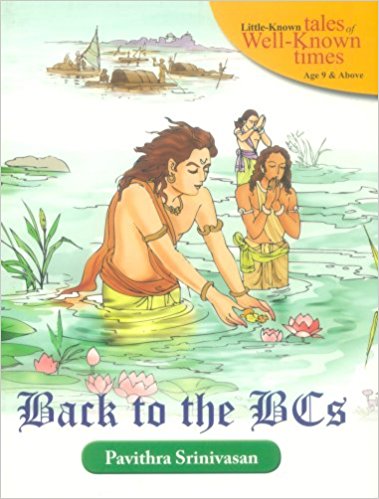
From the raising of Mohenjodaro to the meeting of Chanakya and Thiruvalluvar, Pavithra Srinivasan’s Back to the BCs can be as engaging for a child as an adult.
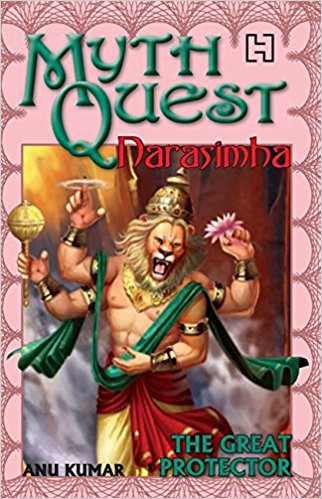
Hiranyakashipu and his nemesis, Narasimha, an Avatar of Vishnu, are the central characters of eight short stories that are included in this book.
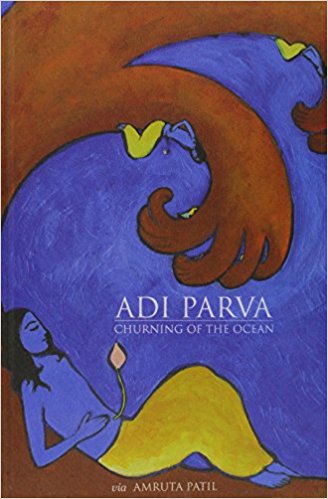
People often ask me whether there is something special about our times in terms of an apparent resurgence in the tellings of our ancient tales, myths and the epics.

Is this a fantasy novel? Or a dream come true from one’s childhood? You know, the one in which we wished school would have no exams and annoying things like report cards would simply disappear?