Since 2008 two developments are unfolding side by side in Kashmir. While on the one had we have witnessed recurring popular uprising, and on the other, militancy is on an upward trajectory. Periodic popular uprisings are bringing more and more youth on the streets with some ending up joining the militant ranks and bulk as their sympathizers.
Anam Zakaria’s book brings together ten essays in three parts: Conflict, State Policies and Beyond the Cease-fire. The work is an ethnography of a significant part of Jammu and Kashmir now administered by Pakistan and mostly known as ‘Azad Kashmir’ by the masses and called PoK (Pakistan occupied Kashmir) by the Indian side. Today Jammu and Kashmir’s 65 per cent of the territory is with India and the remainder with Pakistan.
Debidatta Aurobinda Mahapatra makes an enquiry into how vertical aspects of the Kashmir conflict could be contained to nurture a constituency of peace in Kashmir. He utilizes the protracted social conflict framework in understanding the Kashmir conflict and makes a point that New Delhi needs to nurture a constituency of gainers for transcending the stalemate.
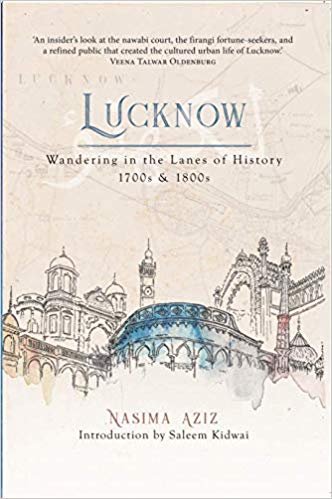
From a distance discontinuities rule North Indian history: Hindu Kingdoms and rulers are replaced by Islamic Turko Afghan Sultans, who in turn give way to the Mughals from Central Asia to be replaced by the Marathas, Sikhs and finally the British. A colonial Raj finally made way for India and Pakistan. These periods appear as distinct and self-contained substratum of the history of the past millennium.
Salman Rafi’s book is an essential piece of work for those who are interested in understanding the history of Baloch nationalism in Pakistan. Although Rafi analyses the future contours of the movement in the last chapter, major portions of the book document the evolution of the politico-ethnic struggle in Balochistan in post-Partition Pakistan. This work forces the readers to think critically about multifarious complexities attached to the Baloch issue, the most important of which is understanding the genesis of the conflict.
I began reading Nadeem Farooq Paracha’s Points of Entry once I was sensibly strapped into the seat of my plane, expecting to take no longer than the length of my short flight to finish the slim book. I remember being rather pleased with myself that morning at having eked out this reading schedule. And I could not, of course, have been more wrong, or my timing more off the mark.