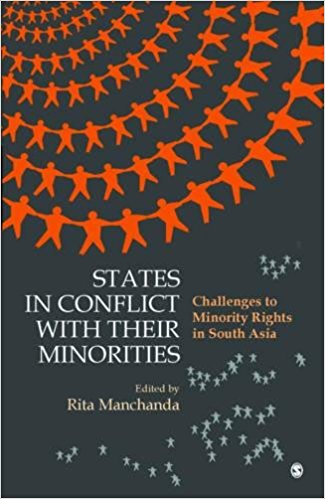
The majority-minority issue is ever complex in South Asia because of the changing political geography of the region. Just like the cliché, ‘today’s terrorist is tomorrow’s freedom fighter’, because of this changing political geography it is often the case that today’s majority is tomorrow’s minority or vice versa. ..
1980
The International Year of the Child provided an opportunity for national and international reviews of the needs of children and of the impact of the programmes taken up for them in the past.
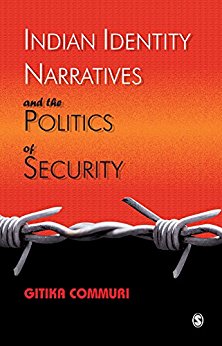
Since the end of the Cold War, there has been a growing recognition of the role of exclusive identities in the perpetuation of hostility in societies experiencing inter-group tension. While identity is a quintessential expression of the Self, central to the conception of a collective identity is its relationship with those identities that it distinguishes itself from…
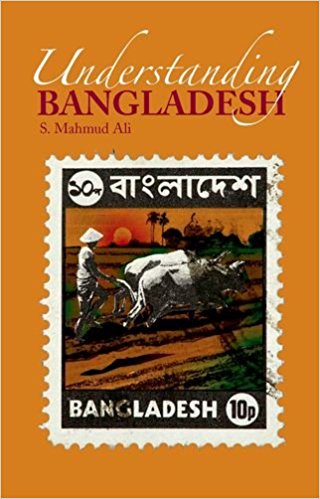
Books about Bangladesh written outside the subcontinent are few and far between. Wanting to learn more about the author, I began by reading the book jacket’s back-flap. The few lines there were informative (the author is based in London), but not very revealing. The book took on new interest for me when I reached page 107…
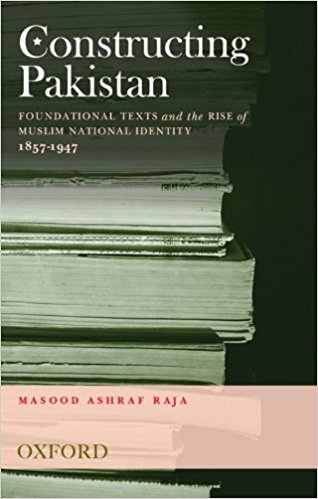
A former military officer in the Pakistani army and now an assistant professor of postcolonial literature at an American university, Masood Ashraf Raja challenges the notion that the Pakistan Resolution passed by the All India Muslim League on 23 March 1940 was the initial point of Muslim/Pakistani nationalism, as the mainstream historiography…
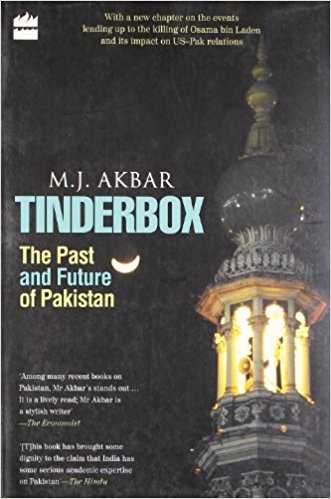
Pakistan has occupied a great deal of India’s attention from the time it emerged in 1947. The Muslim League’s demand for parity with the Congress has transmuted into Pakistan’s desire for parity with India, and it may be argued that the north India centric Indian establishment, and media, have contributed to this aspiration…