Tara Ali Baig

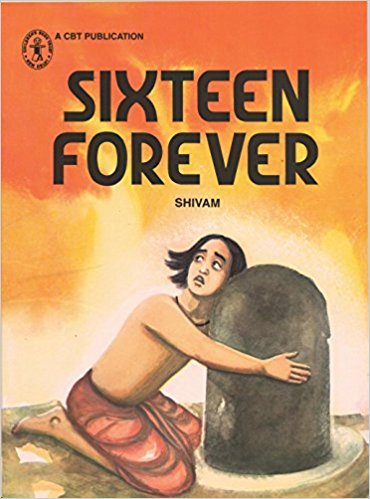
What is sadly lacking in most Indian story books for children is a light touch with language, originality, and a lively sense of the ridiculous. Most children abundantly possess the last two qualities, but I doubt if they find much in this genre to satisfy them.


Reviewed by: Amena Jayal
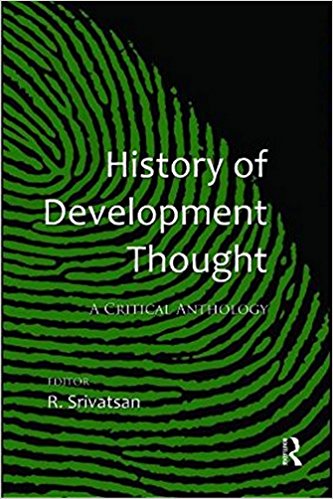
R. Srivatsan

This anthology of writings, covering a period of fifty years of development thinking from 1954 to 2004, examines some of the debates in development theory that emerged after the Second World War. It is the outcome of research conducted as part of the development initiative of Anveshi research…


Reviewed by: Shravani Prakash
Shivam

Children’s books in India have always been relegated to the last place in anyone’s priorities whether it be the publisher’s or the parent’s! CBT’s pione­ering effort in providing some sort of reading material for children aside from the dull text-books that children are burdened with deserves to be highly com­mended.


Reviewed by: Vijaya Ghosh
T.C.A. Srinivasa-Raghavan

In these days of transparency and disclosure, I should state upfront that T.C.A. Srinivasa-Raghavan is a friend I have known for many years. In Business Standard days, he was also a colleague. He has been a journalist and columnist across a variety of business papers and is widely read…


Reviewed by: Bibek Debroy
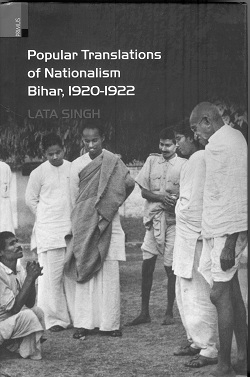
Lata Singh

The noncooperation movement was the first mass-based political mobilization on a nationwide scale which involved people from various segments of Indian society. In a sense, it transformed the psyche of the people, trained them in political agitation and made them conscious of their rights…


Reviewed by: Jawaid Alam
Nikita Sud

The nature of the relationship between economic liberalization, of expansion of economic opportunities and liberal poli-tical culture is the subject of this study. Nikita Sud has chosen to study this large question through a political, economic and social bio-graphy of modern Gujarat…


Reviewed by: Tridip Suhrud