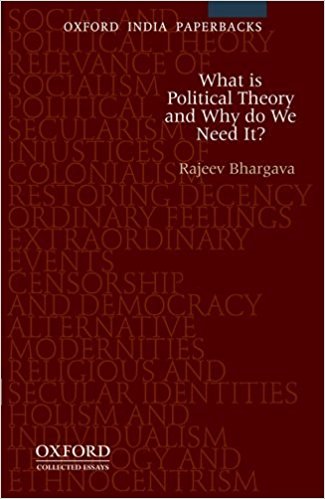
Author Randhir Singh rightly critiques capitalism as the root cause of today’s global environmental crisis in his exposition of the Marxist view on the subject.
This volume is part of the series entitled A People’s History of India. It deals with the ecological history of India from pre-historic times to 1947.
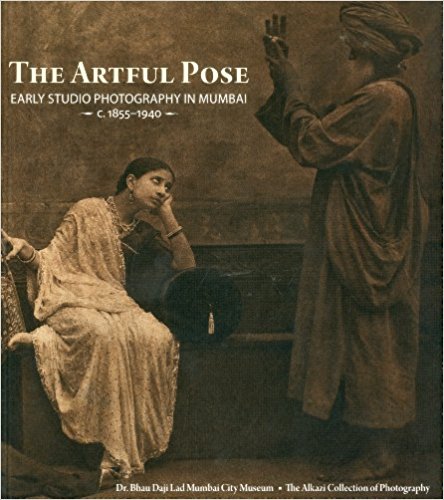
Critics have complained about the incessant output of books on Bombay/Mumbai. Each book has, obviously, a story to tell. This ‘Maximum City’, which is the second most populated city in the world and the richest city in India today, was a sparsely-populated, sleepy hamlet of mud-houses till the mid-eighteenth century. But, by 1780s,
This volume is among the genre of narratives of major events concerning the twentieth century that have appeared in the first decade of the new century, e.g.: William R. Keylor,
Tirthankar Roy has set out ‘to write an economic history of institutional change in South Asia’. A major theme in economic history is the institutional framework in which trade and commercial activities were carried on in pre-colonial societies.
For more than a decade, researches in pre-colonial south Asia have attempted to show that the historical processes during the early and medieval period defied the current day notions of a fixed regional boundary, codified religious identities and immutable social categories of caste and occupation.