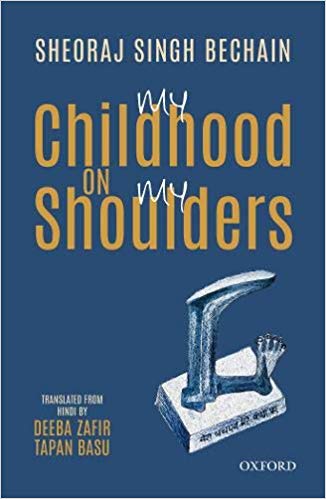
Sheoraj Singh Bechain

Sheoraj Singh ‘Bechain’, currently Professor in the Department of Hindi, University of Delhi, was born in a family of Chamars in Nadrauli, in the Badaun district of Uttar Pradesh. He cleared his matriculation in 1978 at the age of 18, with extraordinary resilience, courage and determination, surmounting a heart-breaking period of social isolation, family alienation, extreme physical hardship, hunger and poverty.


Reviewed by: Pradeep Gopalan
Harishankar Parsai

Satire can often be a genre which is largely misunderstood, misconstrued, or seen as some literary formulation on the fringes. In English Literary Studies as well as in university curricula in the country, it is not often that satire finds a place of pride or that it could be seen as a mainstream literary genre. However, there have been satirists throughout history.


Reviewed by: Roomy Fakhrul Naqvy
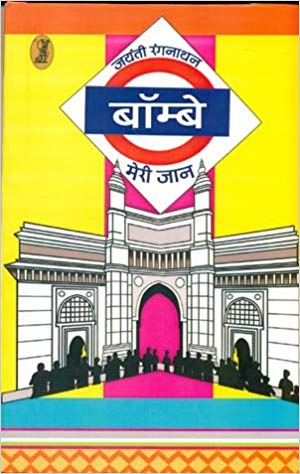
Jayanti Ranganathan

It is not easy to feel a city, to be able to understand its ethos and pulse, without being a part of it. Every city has its own flavour and specific feel to it, which goes beyond food, heritage and culture. The best way to know a city is to live there for a considerable period of time, but again, to be able to talk about the essence of a city is no easy task. And, one way could be through writing about it from the eyes of its inhabitants, seeing the city through their eyes, especially if the city is Bombay, the ‘city of dreams’.


Reviewed by: Saba Mahmood Bashir
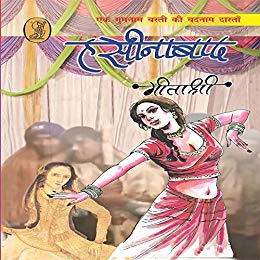
Gitashri

Novel Hasinabad covers a long socio-political span from the 1960s to the first decade of the new millennium—a journey from ‘Hasinabad’ to ‘Hussainabad’. While the writer has a firm grip on the representation of Hasinabad, a colony of concubines set up by the zamindars of Bihar, she loses that hold when the place gets transformed to Hussainabad, under pressure of democracy finally making inroads into the interiors.


Reviewed by: Amit Ranjan
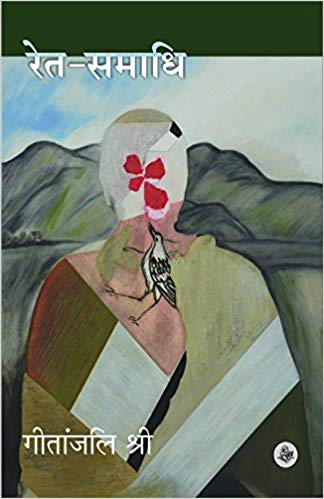
Geetanjali Shree

As a fellow writer, the fifth novel of Geetanjali Shree leaves you wonderstruck with its sweeping imagination and the sheer power of language, unprecedented and uninhibited. She is known for her experiments with content and form, but this novel keeps you in its grip with the storyline as well, which had not really been her forte earlier.


Reviewed by: Alka Saraogi
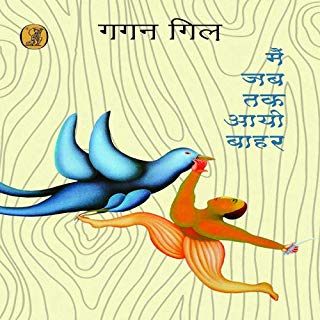
Gagan Gill

Main Jab Tak Aai Bahar is Gagan Gill’s fifth collection of poems. She established her poetic self with the publication of her first collection itself, Ek Din Lautegi Ladki (The Girl will Return One Day) published in 1983. It was unusual to publish an entire collection of poems around the theme of a girl’s journey. Gagan Gill has never claimed to be a feminist poet, but in the center of her poetic self, the journey of this female self is recognized as epistemologically valid.


Reviewed by: Savita Singh