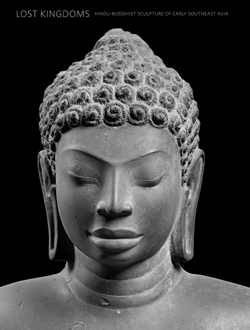
Cultural contacts between India and Southeast Asia were effectively broken with the coming of colonialism to Asia. British, French and Dutch colonial ambitions divided up Southeast Asia and the administration of their areas was kept entirely separate.
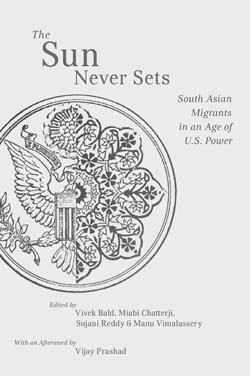
The glory of the British empire in the nineteenth and early twentieth century was often associated with the phrase ‘The sun never sets on the British empire’. It was a statement of pride and celebration and the book under review by leaving the second half of the phrase has raised questions about historical continuities and contemporary relations of global power.
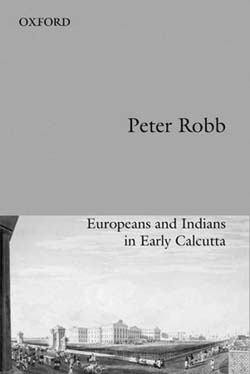
Peter Robb’s third book drawn from the diaries of one Richard Blechynden (1759–1822)—architect, surveyor, and civil engineer, who moved permanently to Calcutta in 1791—focuses on the ‘special meaning and function’ of friendship among Europeans, and between Europeans and Indians in early colonial Calcutta.
2015
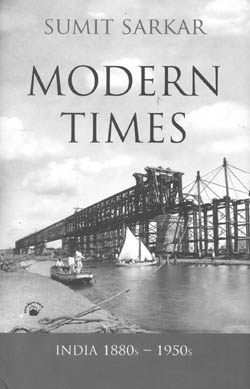
Modern Times is the first of a promised two part work in which Professor Sarkar sets out to review the current state of 19th and 20th century Indian historiography, and to add to his own already remarkable oeuvre.
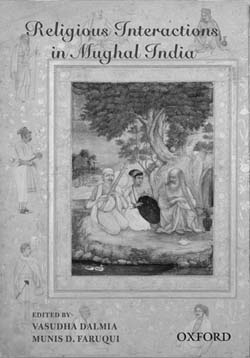
In 1674, Mahamat Prannath (1618–1694 CE) and his followers sought to find an audience with the Mughal Emperor Aurangzeb (1619–1707) in the imperial capital of Delhi.
This monumental work, I gather, is an adaptation from the American edition of 2011 and not having consulted the original, I was naturally left wondering just how much the author ‘adapted’ with a South Asian readership in mind. It was, however, quite obvious to me that the present work represents the cumulative insight and expertise that Hiltebeitel has acquired over the years, particularly in relation to the study of the epics and dharma literature.