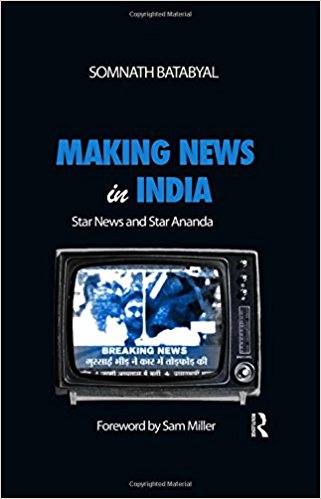
Somnath Batabyal
If there is one thing everyone who watches television news agrees…
Reviewed by: Shailaja Bajpai

If there is one thing everyone who watches television news agrees…
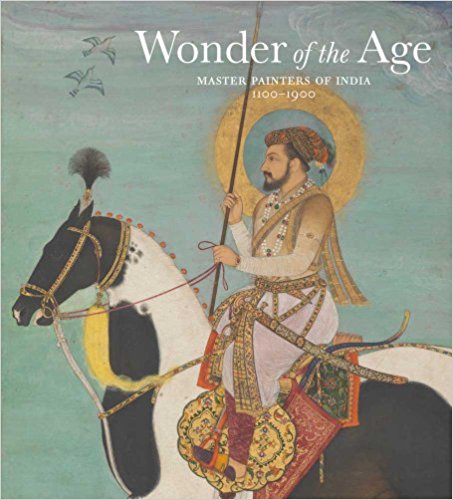
Here is another meticulous book, well thought out and jointly authored by two scholars of select works of Indian painting covering nearly seven hundred years of its history. The framework within which the authors, John Guy and Jorrit Britschgi, write is interesting and engaging…
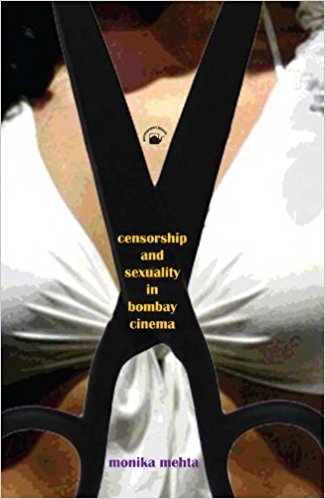
Right from the cover the book unfolds a discussion on the role of censorship and debates around the context of spectatorship of Bombay cinema. The designer Anuradha Roy has very artistically and craftily used images that may look vulgar and obscene and need scissors…
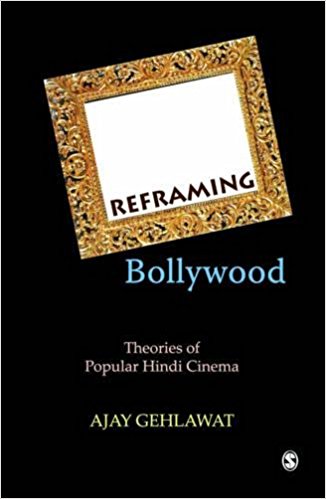
At the outset, it would perhaps be apt to say that in order to locate the origin of a theory in the larger universe of an existing, living, dynamic realm of identification, construction, and production of culture in the form of moving images, film in other words, it becomes increasingly necessary to substantively…
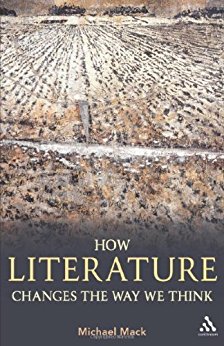
Upon opening this book, the first thing that will no doubt strike the reader is the ambitious aims. It sets itself the not inconsiderable project of defining a ‘new literary theory’ which combines ethics with aesthetics, and represents a break with ‘the traditional approach (to literature) from Aristotle…

This is an interesting and pioneering addition to the corpus of literature which exists on the family history of the Tagores. Its relevance lies in treating a theme which may be considered taboo to many Bengalis, that of the life of Rathindranath, the only surviving son of Rabindranath, and Rathindranath’s extra-marital friendship…