Maya regularly attends meetings of the Natural History Society and the Geographical Society where she (and in the process, the reader) gets to meet and converse with eminent thinkers and scientists of the time. These meetings and deliberations are a fascinating insight into the debates raging at the time in not only the political field, but in the cultural and social arenas as well.
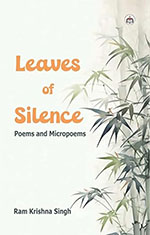
The poem ‘Body’s No Picnic’ exemplifies the poet’s respect for women and his ability to portray sensuality with sensitivity and depth. The interplay between desire and loneliness creates a complex emotional landscape, where the search for connection is both necessary and fraught with disappointment.
I guess, the picture book is published in a single language. The Hindi and English can be appreciated simultaneously. Some phrases/words sound better in one language than the other. That difference may make the reader understand the beauty of both languages.
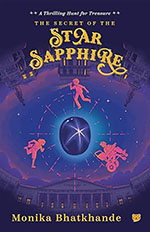
The same is true for the poems, books, and articles that are mentioned, as quite a few are footnoted and can be looked up. In fact, the narrative seems to encourage readers to verify historical references, as the characters do so often, even using search engine techniques. This dynamic line between fact and fiction is necessary to the story as one of its central questions is whether the Star of India is really as powerful as the stories declare.
While there is much enthusiasm in big cities and among the young about joining Europe and seeking new opportunities in the West, there is a strong cultural and even political attraction elsewhere about the Russian connection. Many do not like the prospect of free migration into the country that may result from joining Europe.
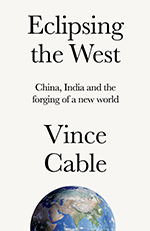
Furthermore, a very high domestic savings rate powered the investment driving China’s development, and it also enjoyed very high productivity levels. Chapter two argues that China and India have versions of ‘state capitalism’ with a complicated mix of private and public sectors. Tracing the history of liberalization in both, Cable considers ‘creative destruction’ and the varying ability to tolerate its social costs. While China’s early reform period was often ruthless, Xi Jinping is now far more cautious. And although India has not matched China’s earlier zeal, liberalizing trends continue.