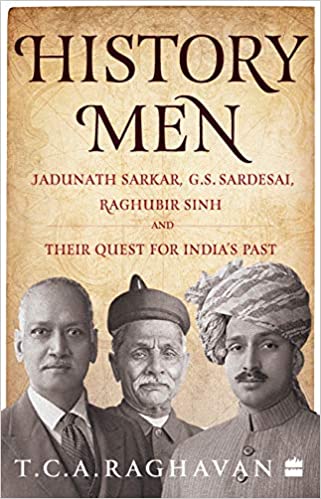
The zeal with which, in the late nineteenth and early twentieth-centuries, history enthusiasts of the Bombay Presidency went about unearthing old documents, and the kind of primary sources that they identified as being relevant to their search, did much.
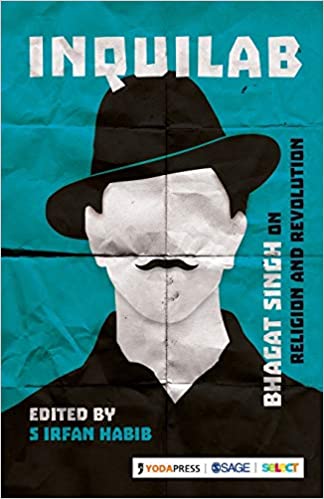
With the establishment of the dominance of the Hindu Right over Indian politics, their attempts to rewrite the history of Indian anti-colonial movement and appropriate its icons have intensified. Bhagat Singh has been an icon who has long been favoured by the Hindu Right.
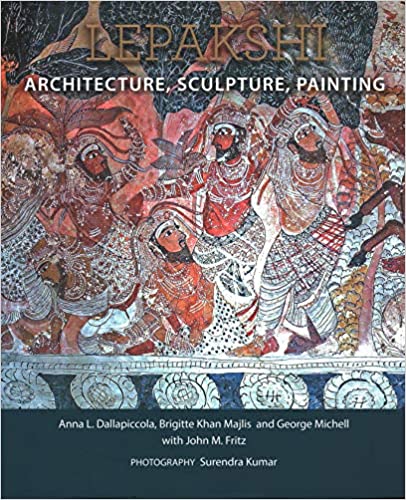
This book presents a fairly comprehensive primary coverage of the heart of the Lepakshi temple town where lay its religious and trade basis. Its richly painted ceilings take us beyond an identification of religious iconography to tell us about the shifts.
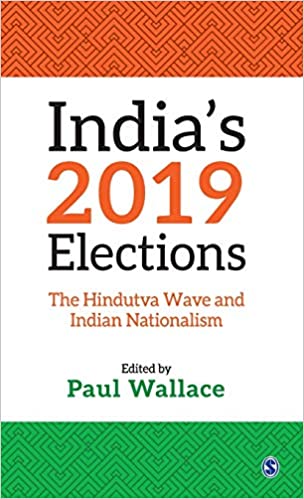
The 2019 General Elections confirmed the hypothesis that the broad consensus over the ‘idea of India’ forged at the time of Independence no longer holds and a fundamental shift has taken place in favour of values that are the antithesis of this consensus.
India’s 2019 elections result deepened the fundamental transformation of politics since 2014. The BJP not only witnessed a surge in quantitative terms but it also penetrated into new territories that were largely dominated by regional parties.
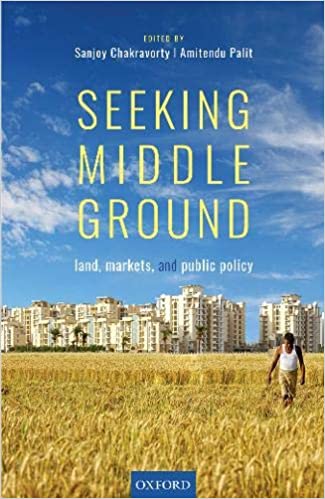
The contestations over land continue to remain relevant in the age of capitalist industrialization. While in the pre-industrial world, land clearly maintained a central role in the generation and accumulation of wealth, modern industrialization and the subsequent upheaval.