The present artisan posterity in several parts of India still carry centuries-old tradition of decorative motifs, patterns and design ensemble. This book digs out dollops of incognito facts that depicts Indian textiles in the world fora as coveted merchandise…
In a beautiful phrase deployed early in the book, Pinney writes of a retort that ‘leaps across the years like a vein of silver in a dark passageway (p.12).’ That phrase is a telling one, for it illuminates both the technique and the spirit of Pinney’s book…
This collection of essays on changing perspectives in Indian art history is based on the proceedings of a seminar on ‘Historiography of Indian Art: Emergent Methodological Concerns,’ organized by the National Museum, Institute of History of Art, Conservation and Museology, New Delhi in 2006…
‘But life itself is poetry; it is the most living poetry, and with us there are no clear limits between life and poetry.’ So says To Huu, the poet of modern Vietnam, in one of the interviews with which this slender volume of selections from his poetry are interspersed—interviews in which he speaks about his life…
This book by Lee Siegel has been sponsored by the Inter-Faculty Committee for South-Asian Studies, University of Oxford. On the first page is a verse which ends with the lines: ‘Sacred is this state of human fulfilment, which we find if ever.’ The Gitagovinda does not deal with the aspect of practical-cum-material fulfilment…
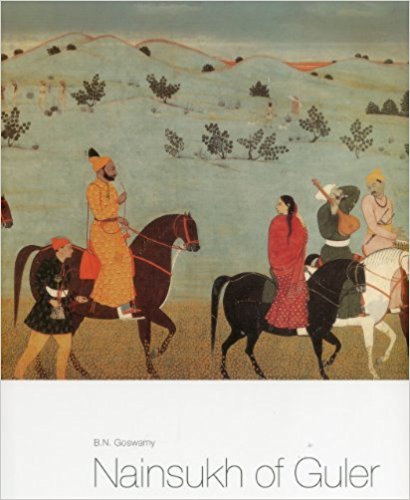
The presumed anonymity of the artist in pre-modern India remained for long a scarcely challenged premise in Indian art historiography. In the middle decades of the 20th century, this assumption of anonymity was nurtured by an overarching emphasis on the metaphysical…