By Ashok Pande

Lappujhanna doesn’t actually shy away from juxtaposing the past with the ongoing larger political stirring, even though this happens from an early teen’s perspective. Readers will definitely find themselves searching for their own childhood while meandering through the writer’s recollections of his own in the small town Ramnagar—also known for Jim Corbett National Parkin Uttarakhand


Reviewed by: Moggallan Bharti
By Sheila Rohekar

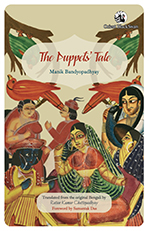
‘Stories are not just mere entertainment; the essence of stories is integral to our existence. If they were to vanish from our lives, we would transform into lifeless puppets, devoid of guidance on our roles and purpose.’ In PalliPaar, Rohekar weaves a complex web of narratives from various perspectives, each laden with themes of male chauvinism, violence, death, and jealousy.


Reviewed by: Priya Kulshrestha
By Vyas Mishra

The rise of the neo-colonial matrix of power along with a regressive turn towards cultural nationalism also unfold as significant themes of the narrative.


Reviewed by: Bharti Arora
By Neelesh Raghuvanshi

The unassuming bicycle, mocked and dismissed as a poor person’s vehicle, becomes a symbol of the relentless pace of life that is driven by sheer will but punctuated by the vicissitudes of life. It is ironic that this vehicle is later co-opted by capitalism. It undergoes quite a journey from being the target of derision and a fossil from a bygone era to a fashionable symbol of fitness, though now woefully out of the reach of the common people.


Reviewed by: Shweta Kumari
By Priyadarshan

The book under review, Bharat Ki Ghadi: Badalte Bharat Ka Lekha Jokha is a collection of articles written by renowned journalist Priyadarshan. Apart from one lucid introduction, the book consists of forty-two articles, written by the author at different points in time in the last few years (though the author has not mentioned the exact time period covered through these articles).


Reviewed by: Kamal Nayan Choubey
By Akhilesh

Aks by Akhilesh is a welcome addition to the vivid tradition of memoirs in Hindi literature, which boasts of works like Ghalib Chuti Sharab by Ravindra Kalia, Yaad Ho Ki Na Yaad Ho by Kashinath Singh, and Smriti-lekha by Agyeya. It is presented to the readers as an account of time, society, and literati. The memoir spreads over eleven chapters, and while remembrance is the thread that binds them together, it is the author’s take on the function and nature of memory in the chapters that truly reverberates throughout the book. He situates his memories against the contemporary paradigms of fast-paced urban lives, social media, and power politics, which, according to him, obstruct networks of memory creation by encouraging narcissism and self-focus.


Reviewed by: Mohd Aqib