
Nalini Rajan
What role should the news media play in a democracy? Do journalists function as watch-dogs in order to check the abuse of power by authorities?
Reviewed by: Ajit Kumar Jha

What role should the news media play in a democracy? Do journalists function as watch-dogs in order to check the abuse of power by authorities?

The Modi-Sharif meeting in Delhi on 27 May, following the swearing-in ceremony and the subsequent debate on the relevance of Article 370 brought J&K briefly back into public debate. India and Pakistan have, since then, reverted to their domestic preoccupations—developmental and governance issues in India; the military operations in FATA to tackle terrorism in the aftermath of the TTP attack on Karachi airport in Pakistan.

When I was asked to review this translation of a Mughal memoir, my reasons, at least I believe, were very different from that of the translator of the volume. The memoir is a narrative of the events of a part of the eighteenth century and translated from ‘Original’ French to English.

The importance of the book under review is not just that it remembers the nationalist movement at a time when it appeared to have been forgotten, but also tells us how to remember the nationalist movement. Chronologically speaking, reflections on the nationalist movement have gone through four stages.

The inequalities of income and wealth in our time are blatant. There is a feeling of outrage when we see the opulent demonstratively flaunt their scission from everyone else and contrast the abysmal poverty on display:
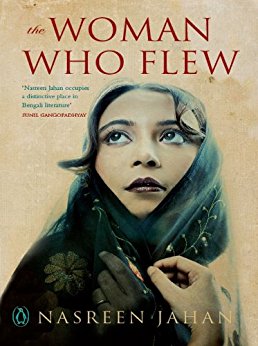
The Bangladeshi writer Nasreen Jahan’s The Woman Who Flew (2012) is a novel translated from the original Bengali Urukkoo (1993) by Kaiser Haq. The title of the novel indicates an act of ‘flying’ from the gross and unrefined in search of the ‘sublime’. The novel depicts the realities of life and the significance of art in the life of those people…