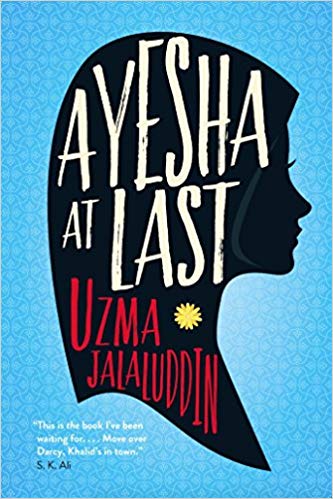
Uzma Jalaluddin

Uzma Jalaluddin’s Ayesha at Last is an interesting novel about the way Muslim social life is lived in Canada. The language used by Jalaluddin, though crisp and current is also loaded with an English literary sensibility. Shakespeare is quoted eleven times from the plays and twice from the sonnets. The blurb on the book describes it as a ‘modern day Muslim Pride and Prejudice’ nudging the reader softly to accord the novel a recognizable space in the ever expanding universe of English fiction being written across diverse cultures.


Reviewed by: Baran Farooqi
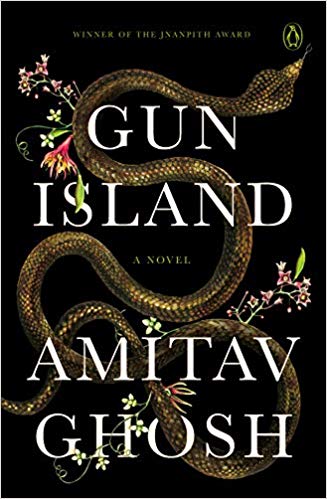
Amitav Ghosh

Amitav Ghosh seems to have reached a new point of eminence in his creative journey with Gun Island. In 2016, he published The Great Derangement—a book that deliberates on climate change and examines how collective denial of it is obfuscating our desire to address questions related to drastic fluctuations in the weather pattern. He emphatically concludes that art and literature of our age function in ‘modes of concealment’ and occlude everyone from ‘recognising the realities of their plight’.


Reviewed by: Sumallya Mukhopadhyay
Anuradha Roy

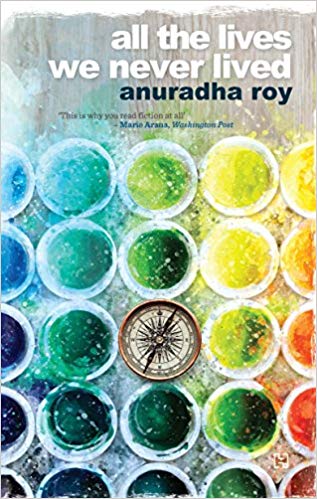
All the Lives We Never Lived is to be read with great pleasure at the sheer beauty of the prose and with deep attention to the delicate emotions of the characters. A highly dramatic beginning hooks the reader’s curiosity immediately. ‘In my childhood, I was known as the boy whose mother had run off with an Englishman. The man was in fact German, but in small town India in those days, all white foreigners were largely thought of as British.’


Reviewed by: Malashri Lal
Kavita A. Jindal;Jessica Mookherjee;Usha Akella

Poetry cluttered with lists or images dressed in poetic descriptions pretending to create a lyrical experience to revel in are quite common. It is also, largely celebrated by magazine editors and flourishing winning awards. So, I was not surprised to read in the June/July issue of The London Magazine, Paul Griffin’s essay ‘How Not to Write Poetry’, discussing how the teaching of poetry is left quite wanting.


Reviewed by: Yogesh Patel
Paulomi Chakraborty

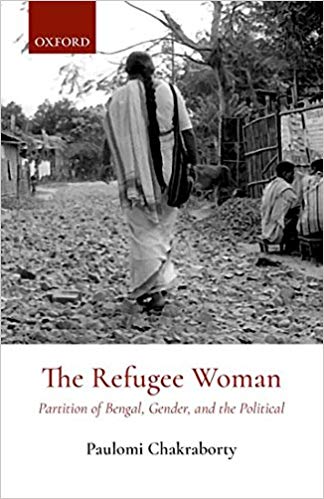
Partition, which was not only amongst the most violent events in the history of the Indian subcontinent claiming more than a million lives, remains the largest instance of forced and coerced migration in global history. Nearly five million Hindus crossed India’s eastern border with East Pakistan into the new State of West Bengal and into the States of Assam and Tripura between 1946 and 1964. About a million and a half Muslims left West Bengal, Bihar, Assam and Tripura for East Pakistan.


Reviewed by: Amit Dey
Monica Chanda

I wonder whether one is naturally drawn to memoirs, biographies and autobiographies as one goes older. Certainly, among the reader friends of my generation this is a noticeable trend. At a time when the world is changing more rapidly than it has in the last two generations, this genre often records a time that few remember or understand clearly. Soon, it will recede just as surely as our black and white world has been replaced with the distracting charms of the digital records.


Reviewed by: Ira Pande