Deepak K. Mishra and Vandana Upadhyay
Notwithstanding some…
Reviewed by: Binoy Goswami

Notwithstanding some…

In the book under review, Prasanna KMohanty seeks to argue for reform in the municipal finance of the urban local bodies (ULBs) in India. The author was Commissioner of the Municipal Corporation of Visakhapatnam and Hyderabad and has also served as Vice-Chairman of the Hyderabad Urban Development Authority…
Burgeoning unemployment and the feeble prospect of recovery in world economy are undoubtedly the most pressing problems facing both developing and developed countries today. Coming at this juncture, the book under review by the well-known heterodox economist, Deepak Nayyar, is indeed a welcome read.
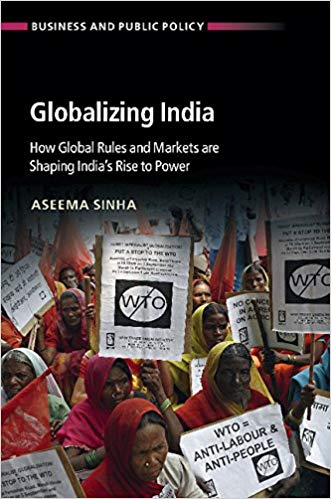
Adeluge of literature has emerged in recent times to explain India’s globalization and how it resulted from a continuous process of interaction between state and non-state actors. The book under review serves as a relevant addition to such literature.
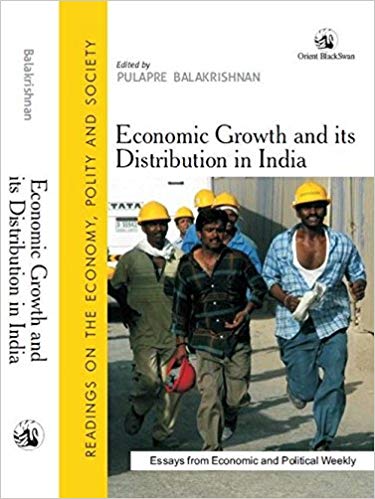
The book under review is a collection of 22 essays published in EPW on the theme of economic growth in India and its distribution between 2005 and 2014 divided into four sections. The first section, ‘The Long View of Growth in India’, containing four chapters, provides an overview of trends in economic growth in India in the last century, from 1900 to 2005.
KP Kannan’s book is an empirical study on India analysing the socio-eco-nomic developments of the Indian economy since the onset of the liberalization process. Kannan, through empirics, questions the validity of the mainstream economic concept of trickle-down economics in the context of the Indian economy.