Norvin Hein

Mathura is a miracle in itself. In its imperial past, it was a scene of high civili­zation, a centre of attraction for far-flung peoples. It remains a magnet; scores of visitors continue to flock there, drawn now not by temporal glory but by the magic of the Krishna legend…


Reviewed by: Salman Haidar
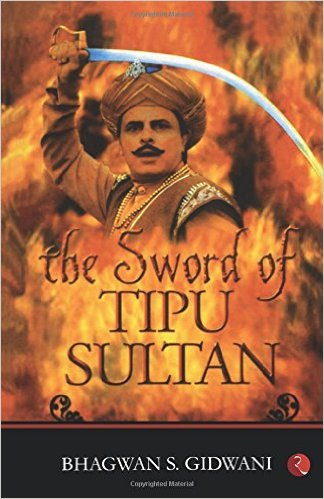
Bhagwan S. Gidwani

Few rulers have been so maligned and misrepresented as Tipu Sultan, the Tiger of Mysore, who has generally been pictured as an ‘intolerant bigot’ or ‘the furious fanatic’—and consigned to the category of monsters. Generations of readers have accepted this view of the contemporary Englishman, writing with a sense of moral superiority over the so­-called barbarian…


Reviewed by: Soumya Ramaswamy
Radha Sinha

Inadequate food production and the population explosion in developing count­ries were favourite themes for economists during the 1950s and 1960s. They have generally suggested that there is a need to modernize agriculture and increase food production, and take effective mea­sures to bring down the population growth…


Reviewed by: Sreedhar Rao
C. Raja Mohan

The rise of China and India in the post-Cold War global power configuration is now universally accepted. What is less well known is back in the eighteenth century, these Asian giants accounted for nearly one half of the global manufacturing output. A potential reversal to that era is beginning to unfold.


Reviewed by: Kapil Kak
D. Suba Chandran and P.R. Chari

It is generally accepted that peace is a natural condition while war is an aberration. Peace is defined as ‘not violence’. Johan Galtung has defined violence in two categories, direct violence and indirect violence.


Reviewed by: Satyabrat Sinha