Ghazala Wahab

Narratives about lives popularly regarded as successful or marked by significant achievements, written by celebrities or eminent public figures, have always been eagerly received by a wider reading public. However, writings by those at the margins have visibly toppled the conventions of this genre in the twentieth century…


Reviewed by: Asma Rasheed
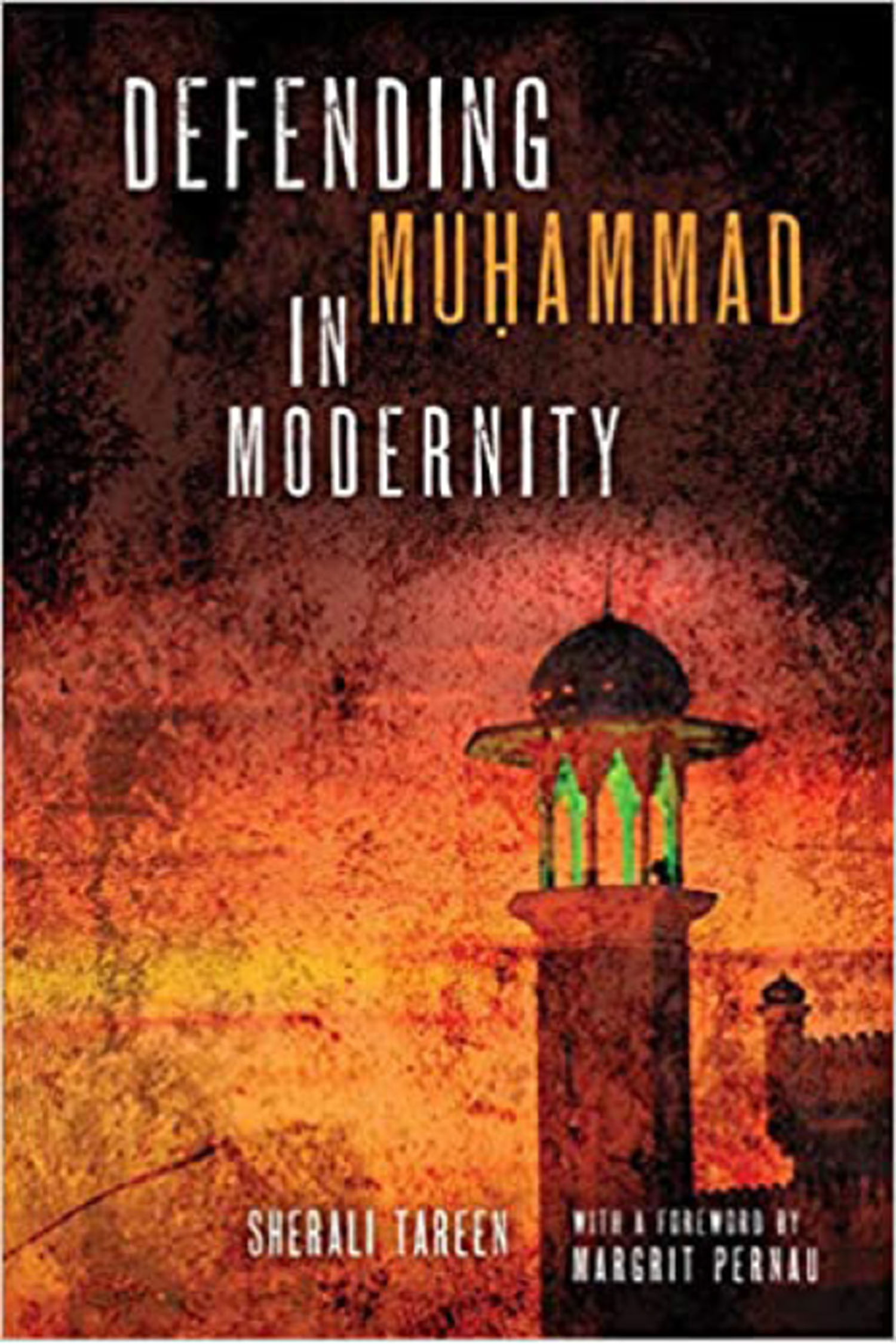
Sherali Tareen, with a Foreword by Margrit Pernau

Reverence for the Prophet of Islam through an affirmation of his exceptionality has a contested legacy and an emotional salience that has captured the imagination of the political landscape of South Asia. Recently, the National Assembly of Pakistan was pressed to debate its infamous blasphemous laws in the context of the demand…


Reviewed by: Soheb Niazi
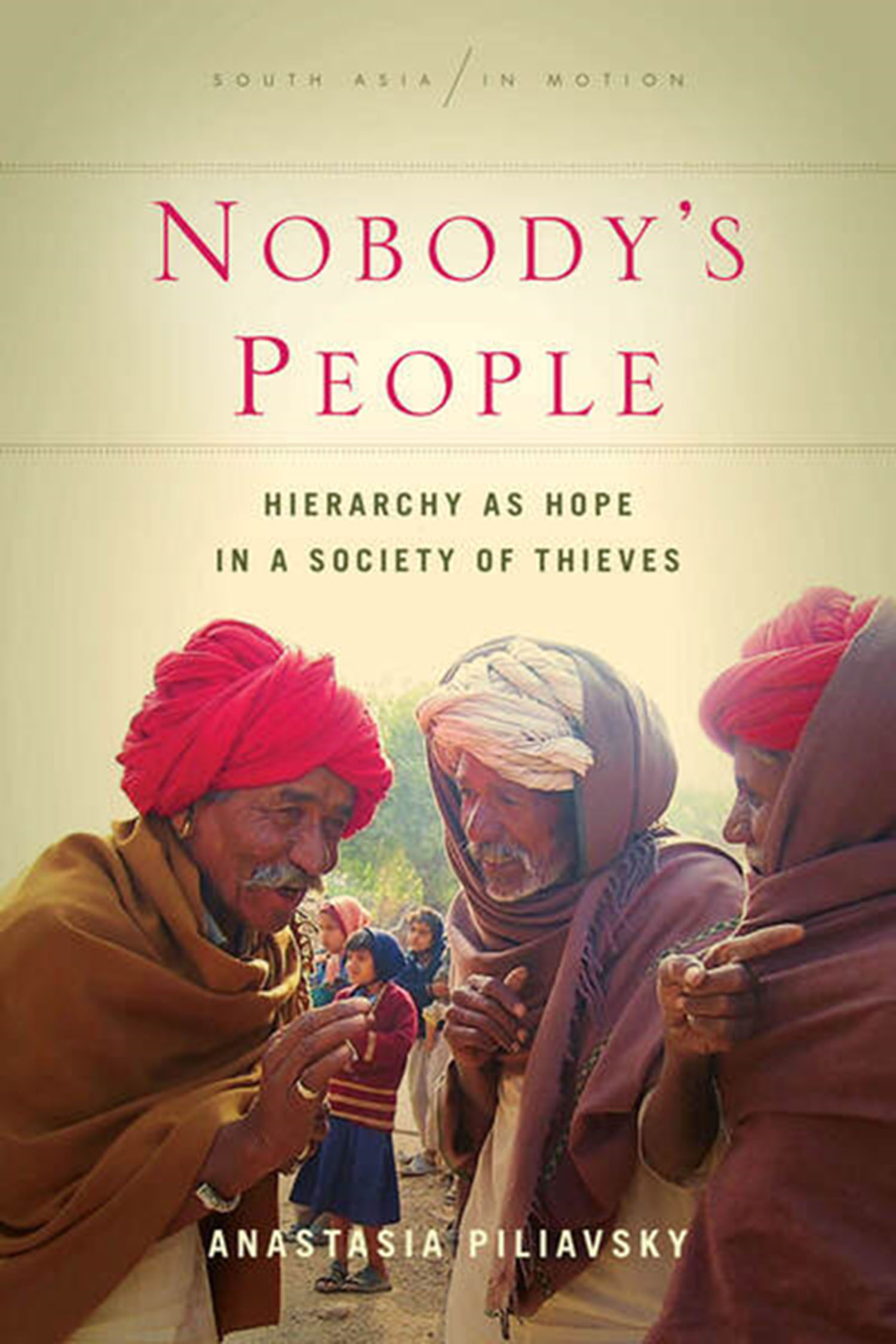
Anastasia Piliavsky

In recent times there have been several challenges to the use of theories that have been developed to investigate Euro-American societies, for understanding South Asian realities. Many of these challenges have emerged within the social science disciplines of sociology, social anthropology and political science…


Reviewed by: Ajit Phadnis & Ritu Srivastava
Ravinder Kaur

The book under review serves as a ready description of ‘Brand New India’ in both economic and cultural terms. The earlier binaries of core/periphery, developed/developing, poor/rich are discarded to define the new India, which is more prosperous, mobile and enterprising. To redefine global capitalism, the author brings in the politics…


Reviewed by: Siddhartha Mukerji
Thomas Blom Hansen

Over the last decade or so, there has been a remarkable expansion of scholarly interest in the rise of public and private forms of violence in democracies across the world, including India. One major reason for this attention is the concern that ‘toleration or encouragement’ of violence is often considered to be a ‘precursor of democratic breakdown…


Reviewed by: Malvika Maheshwari