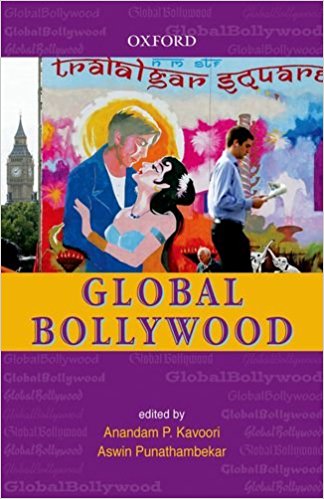
Anandam P. Kavoori and Aswin Punathambekar

When I first heard the title, I mistook this co-edited volume to be a sequel to Global Hollywood and Global Hollywood 2, the well-known co-authored books that provide an analysis of how Hollywood globalized itself to become the most powerful film industry in the world.


Reviewed by: Nupur Jain

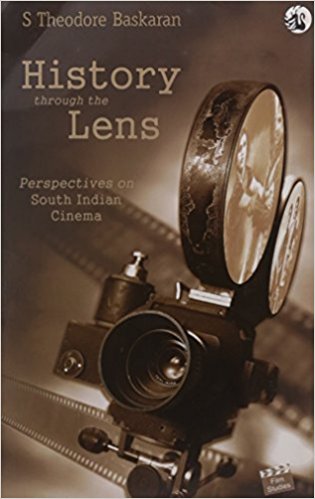
N. Manu Chakravarthy

It is apt that this review is written at a time when Girish Kasaravalli’s latest film Gulabi Talkies has won the Osian’s Best Indian Film Award. It is ironical that someone who is an important figure within the stream of parallel cinema has not found a place in the intellectual debates around parallel cinema.


Reviewed by: P. Radhika
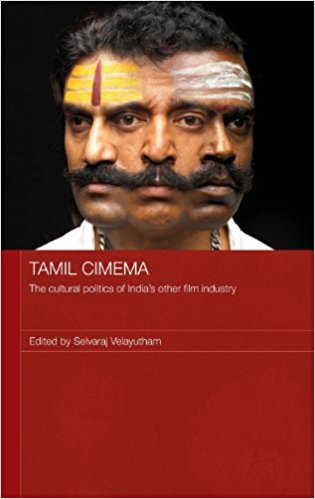
Selvaraj Velayutham

Selvaraj Velayutham’s edited volume, which is perhaps one of the first academic attempts to take a comprehensive look at the Tamil film industry , “of one of India’s largest, most prolific and increasingly significant cinemas” (Velayutham: 1) has hit the market at a time when Bollywood is hogging attention and space in academic circles as a global brand.


Reviewed by: Maya Ranghanathan
Derek Bose

Brand Bollywood by Derek Bose is a study of the commercial possibilities of popular Hindi cinema of Mumbai. It looks at the many strands of technology available to increase the revenue of Hindi films.


Reviewed by: Partha Chatterjee
Vijay Seshadri

Vijay Seshadri’s two earlier collections, Wild Kingdom and Long Meadow (Graywolf Press, 1996 and 2004 respectively), have already been reviewed well. Richard Wilbur, Frank Bidart, Evan Boland, and Campbell McGrath (the known and the lesser known ones) have noted his poetic merit in unmistakable terms. The Los Angeles Times Book Review, The New York Times Book Review, and The New Yorker had words of praise for him.


Reviewed by: Anisur Rahman