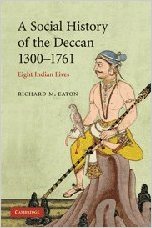
This book is a fascinating study of the Deccan from the early fourteenth century to the rise of European colonialism in the eighteenth century. We can locate the region called the Deccan in modern India in the states of Maharashtra, Karnataka and Andhra Pradesh.
The volume is not as ambitious as the title appears to suggest. The introduction to the volume effectively narrows down the scope of the volume.
Books with their emphasis on an interdisciplinary approach to law in India are rare to come by, but rarer still is a book on the developments and challenges to legal education in the country today.
Probably few other concepts occupy, if not hegemonize, political imagination as democracy does. ‘What began as an improvised remedy for a very local Greek difficulty two and a half thousand years ago,
This is a book about poor urban slum women and children using collective violence to contest their vulnerabilities. The author has attempted covert ethnographic research among Shiv Sena women belonging to the Mahila Aghadi, frequenting Sena women’s homes, ‘shakhas’ and meetings in temple premises.
This volume is a collection of seminar papers written by academics and police officers. Like all seminar papers, they are informative, at times insightful and repetitive. How original can a dozen speakers be, dealing with the same subject? Here they tend to be prolix as well. Not many chairpersons have succeeded in putting limits to academic verbosity on the podium.