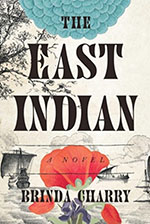
By Brinda Charry
For Indian readers, the contemporary ‘diaspora-novel’ (i.e., stories of individuals who migrate/move away from their homeland) has come a long way since 1991,
Reviewed by: Ankush Banerjee

For Indian readers, the contemporary ‘diaspora-novel’ (i.e., stories of individuals who migrate/move away from their homeland) has come a long way since 1991,
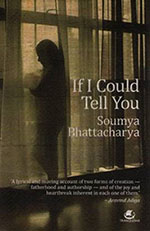
This novel was first published by Tranquebar in 2009 and has been republished in 2022 as a paperback by Speaking Tiger. Soumya Bhattacharya is an established journalist, and writer of well-regarded books on cricket
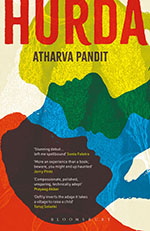
Hurda is a riveting read. Three young children—sisters, the eldest among them aged 14, are missing and subsequently found dead. They are survived by a poor family of three:
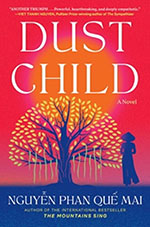
Wars are terrible tragedies. Especially like in Vietnam where it was pointless, just ‘a senseless blunder’. The dramatic flexing of the American muscles to prevent the ‘domino theory’, that if one nation turned Communist, it would likely influence other nations to the same end, is a misguided thought, although strongly backed by American presidents. It is a reflection of their exaggerated national fears and geopolitical strategies.
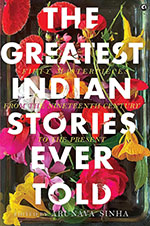
Arunava Sinha’s The Greatest Indian Stories Ever Told is an ocean resounding narrative themes and linguistic expressions that spread across centuries.

Living in Air, a collection of seventeen stories by Ipshita Chanda, opens with the story ‘Wings’, an ode to the 18th century Urdu poet Mah Laqa Bai Chanda from Hyderabad