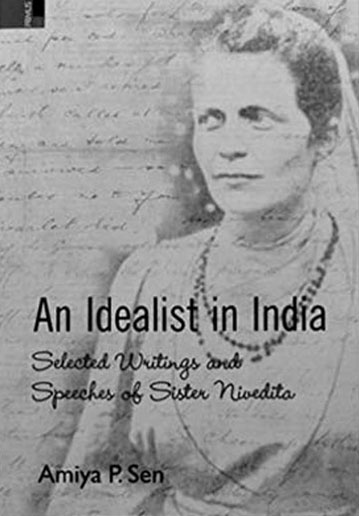
The book under review, a representative selection of the writings of Sister Nivedita along with a detailed and perceptive. Introduction by its editor, demonstrates Nivedita’s engagement with the idea as also what then posited as the contemporary reality of India.
India’s national movement was special because it possessed social,economic and environmental dimensions in addition to the political goal of Independence. And special among its participants was Joseph Cornelius Kumarappa, born in 1892 into a talented family of Tamil Christians originating, close to India’s southernmost tip, in Palayamkottai.
Just when one thought that studies on colonialism has reached a significant milestone, Sabyasachi Bhattacharya’s book brings in a timely message that a comprehensive analysis of the colonial state is yet to be put down on paper. In his book The Colonial State: Theory and Practice, Bhattacharya claims that this has always been a subject that has been shoved aside to the scholarly margins and therefore, now, merits greater attention.
What makes a historical text ‘untimely’* or interventionist is the appearance of the text itself. In a time when the Indian polity and social imagination mark their presence as Hindu-centric, the liberal-multicultural analogy which nonetheless dominated academia since the colonial period falls short in explaining such communal assertion of the state and its people.
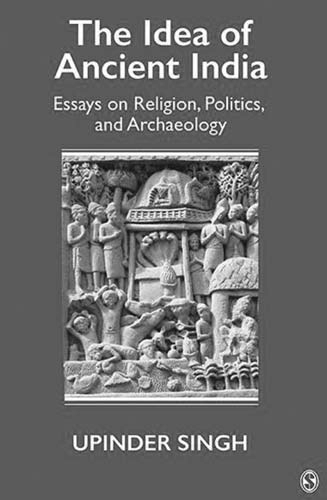
Today we stand at a juncture in our evolution as a state and society wherein as inheritors of a complex, yet particular cultural relationship with our past, the way we define the ‘idea’ of ‘ancient India’ is of utmost importance. Though written in two different temporal contexts, the title of Upinder Singh’s collection of essays The Idea of Ancient India resonates with a similar title The Idea of India by Sunil Khilnani.