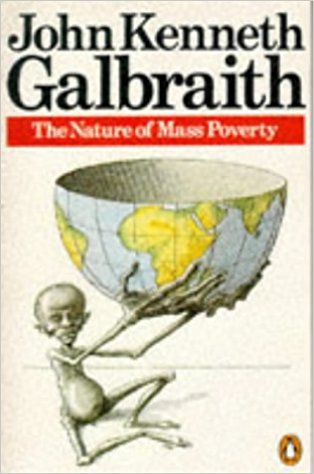
John Kenneth Galbraith

These two books have titles that sound deceptively similar. While their common theme is indeed the problem of poverty in developing countries, no two books can be more radically different in the basic approach in defining the nature of the problem and the possible directions in which policy-makers in these countries can seek a solution.


Reviewed by: S. Ramesh
Ashfaq Hussain

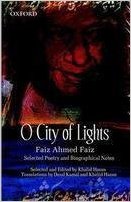
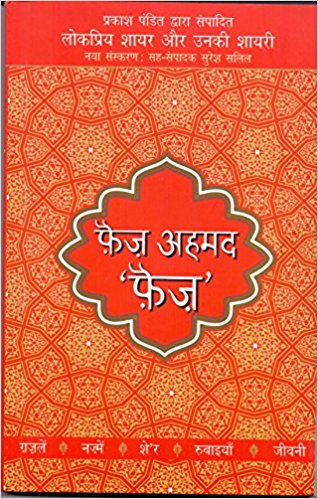
The five almost undisputed leaders of modern Urdu poetry, chronologically by year of their of birth, are N.M. Rashid (1910-1975), Faiz Ahmed Faiz (1911-1984), Meeraji (1912-1949), Majeed Amjad (1914-1974) and Akhtarul Iman (1915-1996). Of these poets, only Faiz belonged and remained loyal to the Progressive Writers Movement until his death…


Reviewed by: Baidar Bakht
Khalid Hasan

Khalid Hasan, the one-time compatriot and Press Secretary to Zulfiqar Ali Bhutto and journalist par excellence is well known for his literary writings. For years the life and times of Madame Noor Jehan have been celebrated in his writings. He has translated several titans of Urdu literature including Manto, Abbas, and Faiz…


Reviewed by: Raza Rumi
Rajinder Singh Bedi

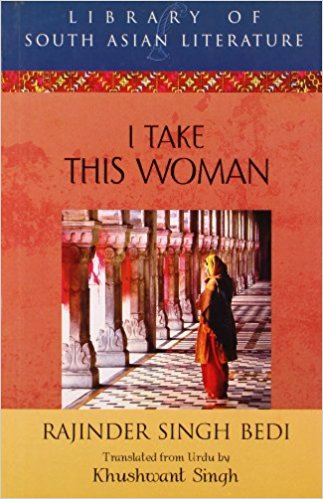
Rajinder Singh Bedi (19151984) began his working life as a postal clerk but soon carved a place for himself in the canon of modern Urdu short stories with his very first collection, DanaoDam, published in 1940. Details of everyday life, no matter how small, found a place in his stories and became reflections of a larger social reality…


Reviewed by: Rakhshanda Jalil
Rajwanti Mann

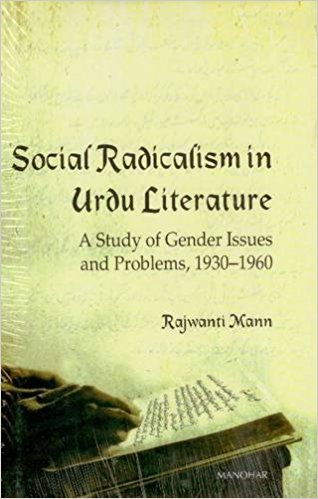
Literature is not only a mirror but also a major source of inspiration. With the formation of the Progressive Writers Movement in India in 1936 a radical shift emerged in the consciousness of Urdu writers. This book examines the role of progressive writing in the history of India. The Russian revolution was looked at with awe and respect and Marxist ideology recognized…


Reviewed by: Ranu Uniyal
A. Bose

This is the third book of the trilogy that Bose has been working on, wherein he has painstakingly and with meticul­ous precision worked out detailed proofs and consistency exercises on Marx’s Fundamental Theorem of Exploitation.


Reviewed by: Vinod Vyaslu and Sarthi Acharya