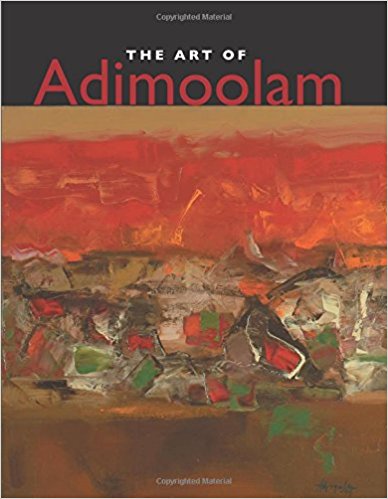
Gayatri Sinha
One of the key concerns of a monogram on an individual artist is to draw attention to a body of significant work that might find just passing mention in sweeping art historical overviews. Often,
Reviewed by: Shukla Sawant

One of the key concerns of a monogram on an individual artist is to draw attention to a body of significant work that might find just passing mention in sweeping art historical overviews. Often,

The central thesis of V.S. Parmar’s book is an important one. In the footsteps of subaltern historians he attempts to shift the focus of architectural history of India away from monumental architecture—palaces, temples,

In October 1980, a relatively unknown company from the San Francisco Bay area called Genentech created history on the New York Stock Exchange by raising US$ 35 million in its IPO. Though the figure itself is puny compared to those bandied about during the dotcom bubble,

This is a much welcome translation of Mártires Lopes original work in Portuguese, first published in 1993, with a second edition (also in Portuguese) in 1999. As the author herself states in the preface to her first edition, this is one of the few times that material from the Pastoral Visits and Church Rolls in Goa has been used.

Subaltern historiography is a comparatively recent discipline in India. With mainstream history appropriating the centre stage for long, the extended historical course traversed by the many subaltern and minority groups in the country on their way to becoming conscious of a distinct identity, remained unexplored until very recently.

The contest over the political identity of Tibet has led to a protracted conflict between Tibet and China and India and China. The Sino-Indian border issue is intrinsically linked with the question of Tibet’s political identity. In India, scholarship on this issue has tended to focus more on the Sino-Indian dimension of the Tibet issue.