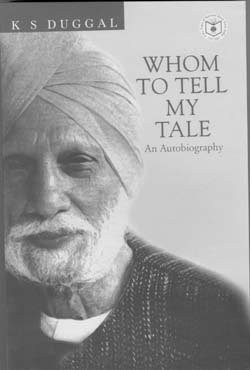
Whom to Tell My Tale is K.S. Duggal’sautobiography. When in 1985, Duggal published this autobio- graphy in Punjabi (Kis Peh Kholon Ganthdi) it was appreciated in a comparative way, because Amrita Pritam’s, Sant Singh Sekhon’s and Ajit Kaur’s autobiographies had already created a discussion about the genric developments.
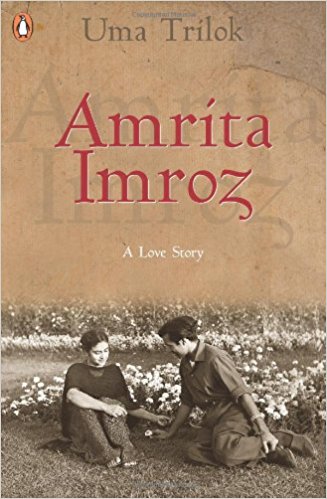
Evocative, esoteric and enchanting. Amrita Imroz—A Love Story is more than what the title suggests—is a love story with a difference. A slim volume, the book is reminiscent of Erich Segal’s one-time best-seller The Love Story both in terms of the name and size. But the similarity ends there.
2007
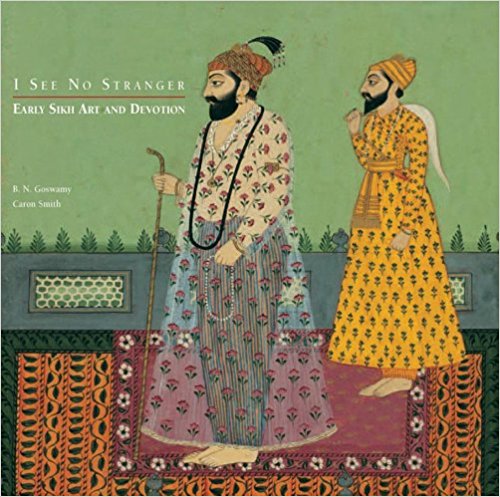
The enigmatic title of this book is taken from a beautiful verse that best reflects the spiritual and humanist vision of the Adi Granth, the holy book of the Sikhs. Na ko bairi nahi bigana, sagal sangh ham ko ban ayee.
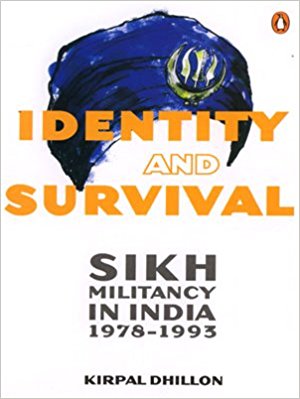
The question of identity of different religions, minorities, regions are becoming more and more complex and contentious in the contemporary world. Political, social, economic relations of mino-rities and religious groups vis-á-vis the majority is always strenuous specially if the grievances are nurtured over time and have varied hues.
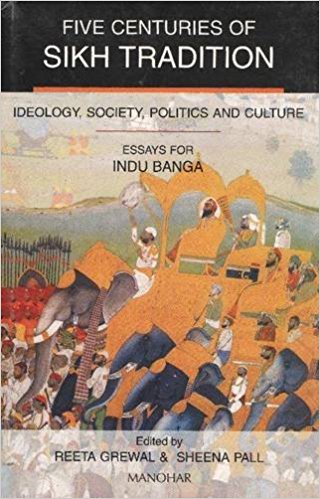
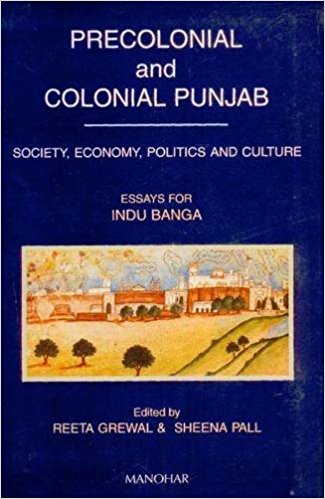
Friends and admirers of Indu Banga have come together to offer her a ‘bouquet’ of scholarly articles as a homage for her contribution to the history of India and the history of Punjab. Reeta Grewal and Sheena Pall in 2005 published these articles in two volumes.
History has morphed enormously from a mere reconstruction of battles and icons into a social science with multi-dimensional tropes, so historians are in the pursuit of a specific trope which eventually becomes their area of expertise.