The current manouevres by the Indian government to define civic status in terms of religious identity have deep roots in the legal regimes introduced under British colonial rule. If implementation of the new Citizenship (Amendment) Act will require applicants.
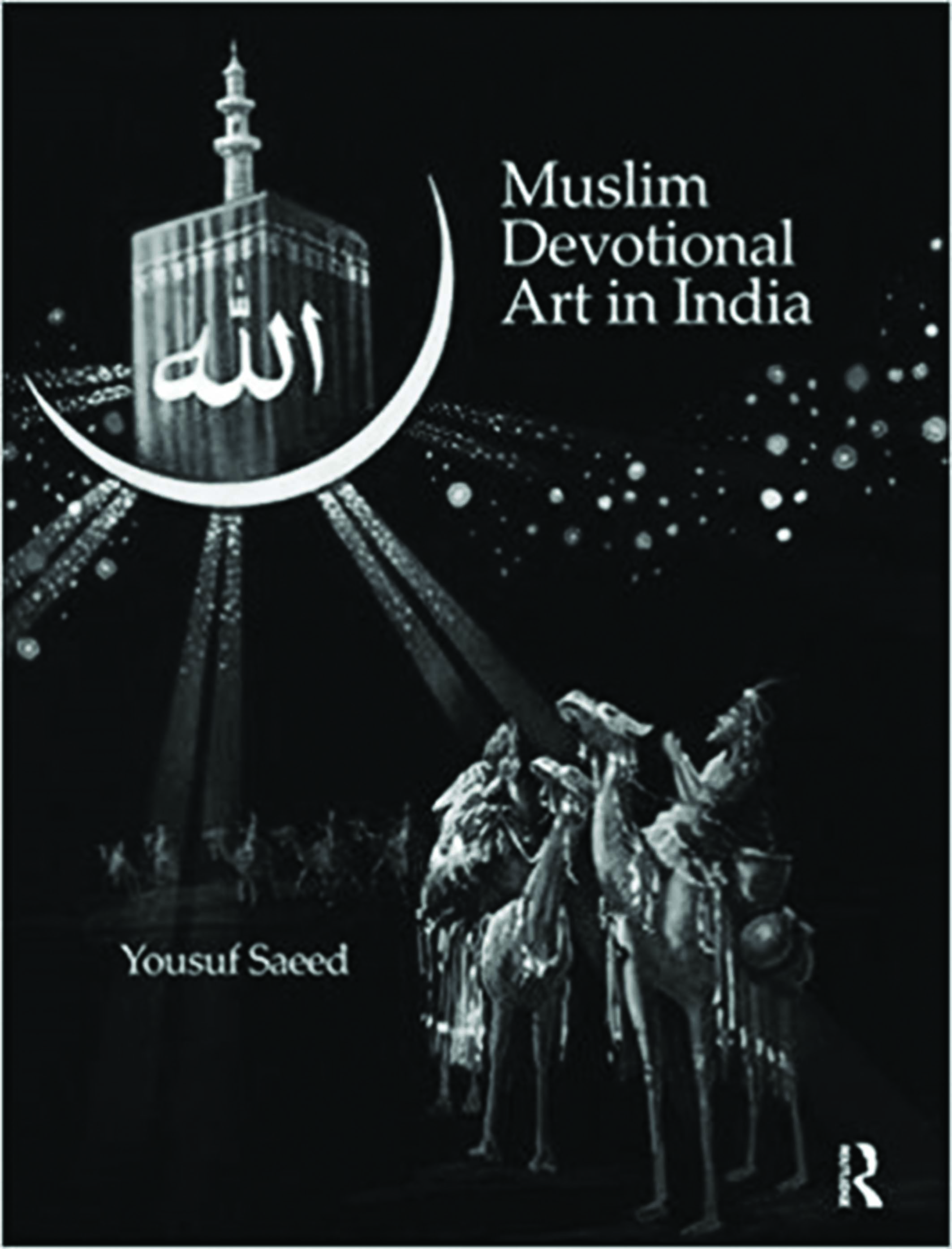
Muslim Devotional Art in India explores the rather wide arc of the growth, spread, and ever so dynamic forms of Islamic religious art in India by bringing together a wide range of sources and methodologies in six sections. While Islamic art in India has traditionally drawn upon Central Asian imagery.
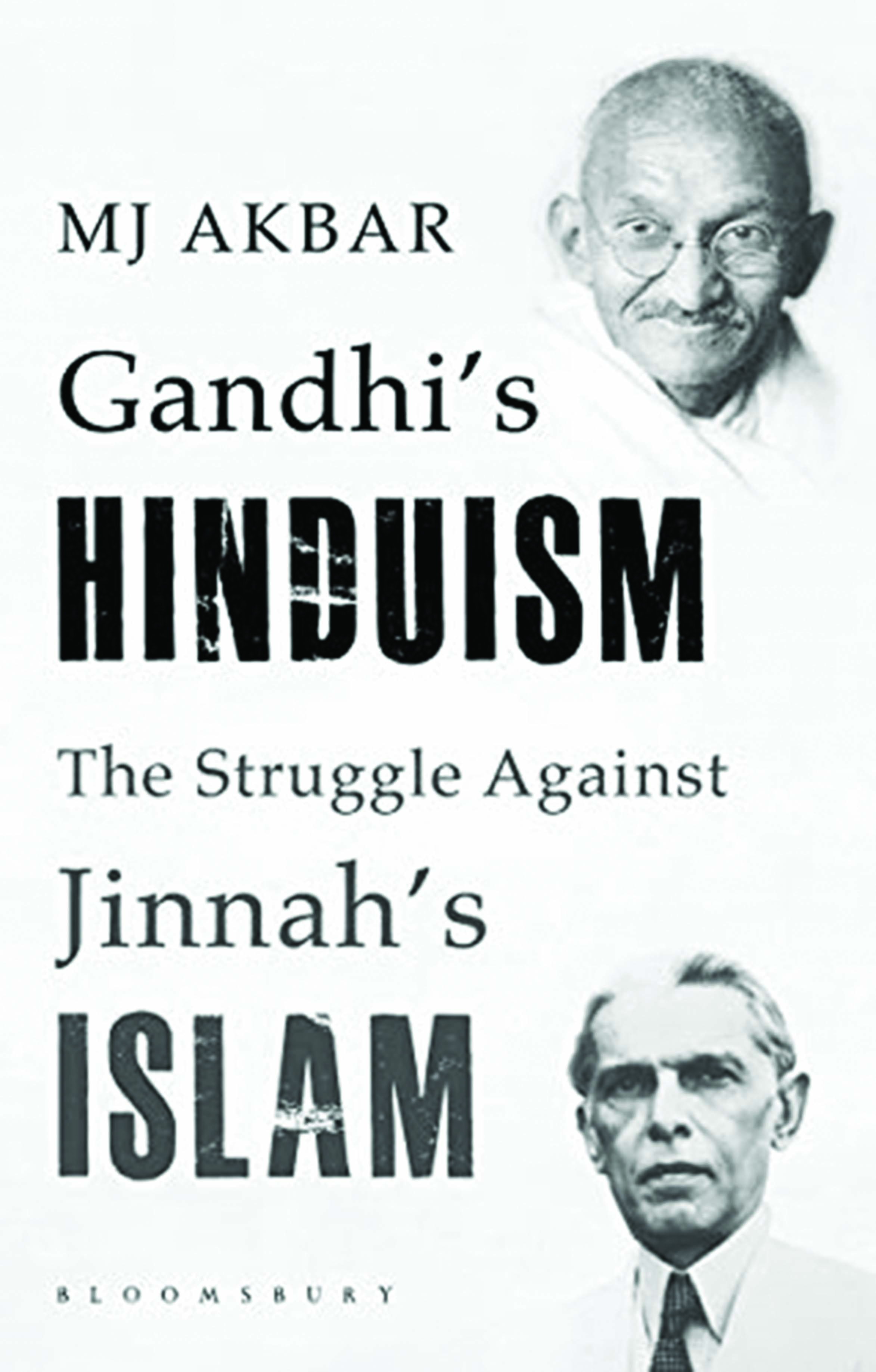
MJ Akbar needs no introduction. A famous journalist and politician (BJP), he is also a prolific writer. His latest offering, its unwieldy and somewhat misleading title notwithstanding, is about the last phase of India’s freedom struggle. The struggle for freedom was never between Hinduism and Islam.
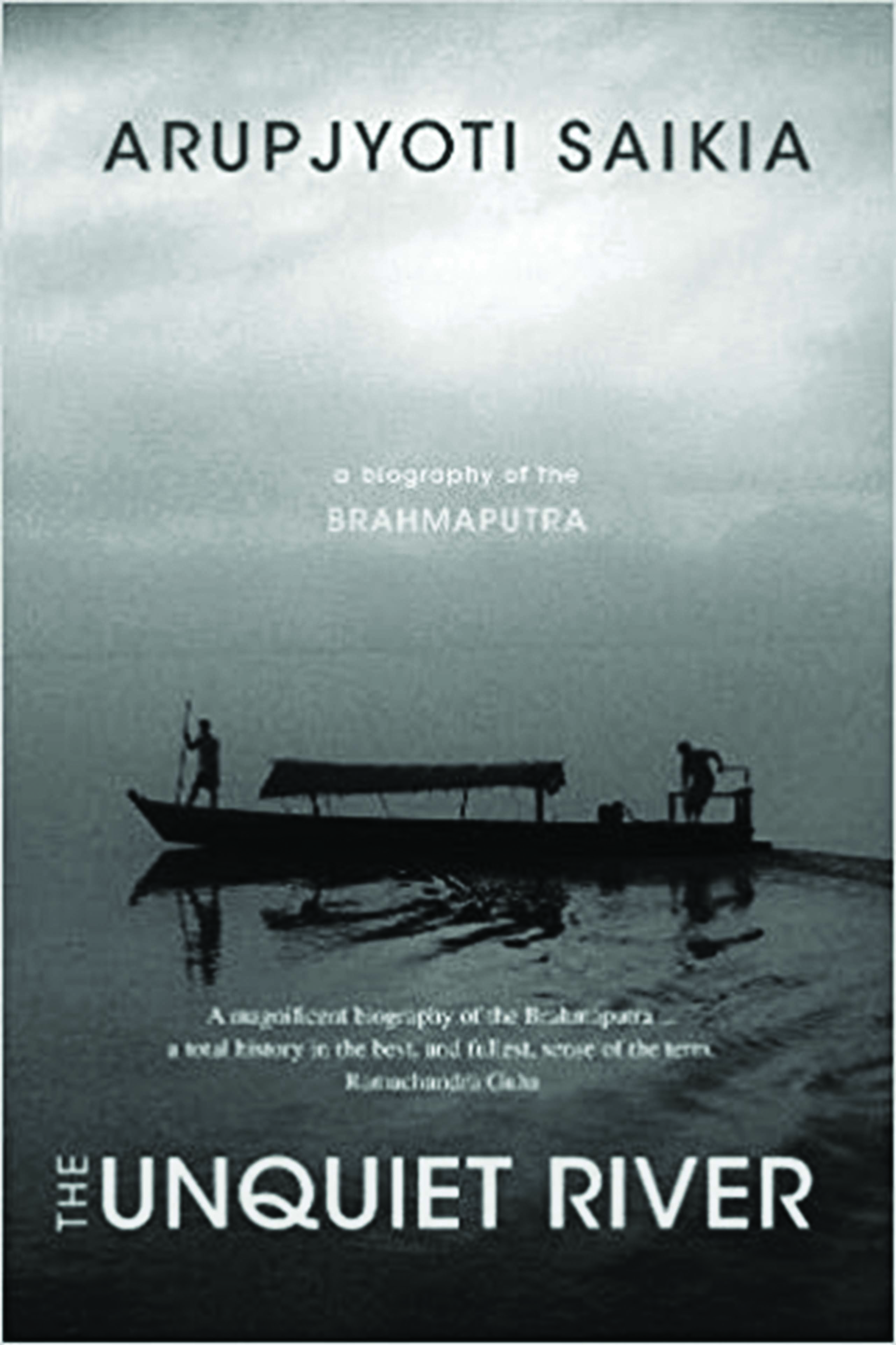
The Unquiet River, by a historian who has chronicled several aspects of the history of modern Assam, comes adorned with weighty academic endorsements which recommend it as an unparalleled environmental and social history of the Brahmaputra, singular in its historical depth and magisterial sweep.
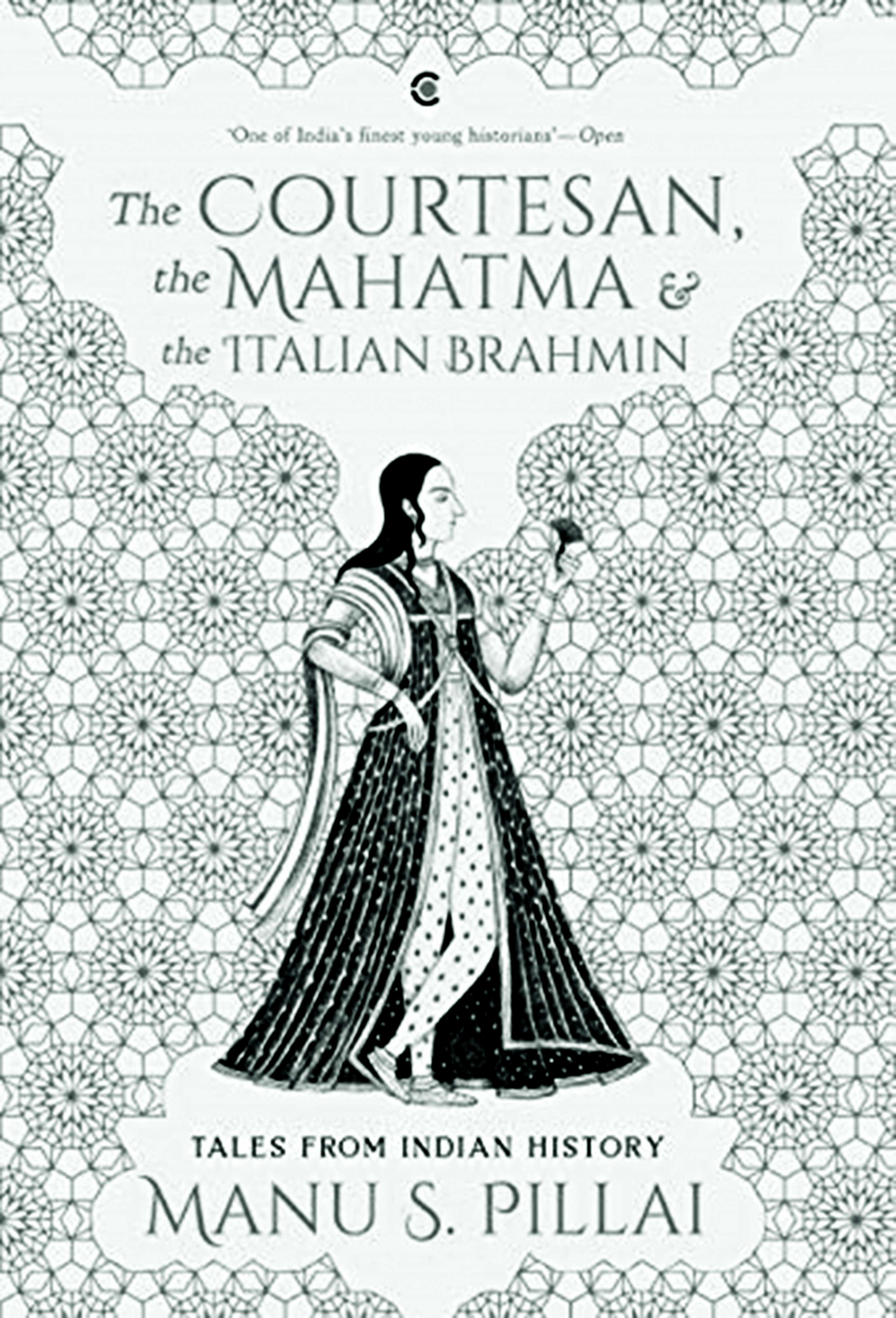
Today history is being reinterpreted if not rewritten—mainly by those who would prefer India to melt into a single religious identity. But historical events and historical figures cannot be understood, let alone judged, in isolation. This can happen only.
It could be argued that recent discourse in the Indian socio-political milieu suggests a movement towards narratives that favour a particular interpretation of history at the expense of others, in order to further a specific ideological agenda.