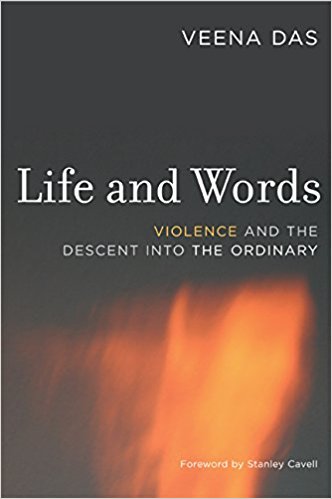
Much scholarly work, particularly from feminists, engages with different aspects and dimensions of violence, and with the aftermath of what are now episodes of history, such as the partition, the massacre of whole communities, particularly the Sikhs and Muslims, following the assassination of Indira Gandhi, the demolition of the Babri Masjid and the Godhra train carnage, to name a few.
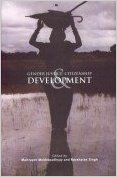
The book’s conceptualization of gender justice as both an outcome and a process is a refreshing departure from the conventional approach where one or the other is high-lighted. After all it is the process that shapes the outcome. It is the means and ends connection. In the current overemphasis on so called empowerment of women, this critical insight is lost sight of.
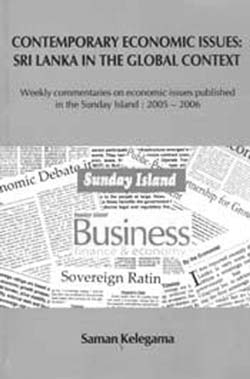
This book is based on weekly commentaries on economic issues published in a Sunday newspaper for about 10 months from the last week of May 2005 to March 2006. Most of these commentaries were written under the pen-name Economist by the author of this volume.
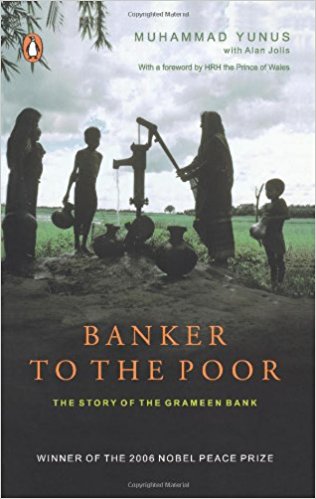
This is the autobiography of Muhammad Yunus, winner of the 2006 Nobel Peace Prize and the creator of the Grameen Bank, the micro-finance institution that revolutionized lending to the poor. Naturally, perhaps, the book focuses on the Grameen Bank and how it came into being, ignoring, some may cavil, more personal aspects of Professor Yunus’s life.
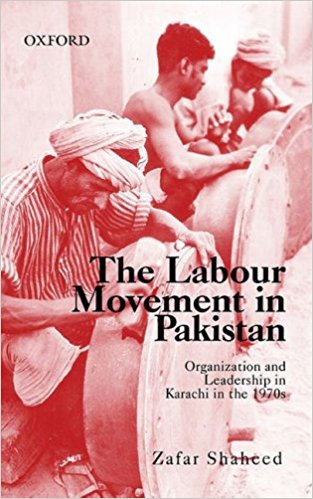
This book, based on a significant Ph.D work in an area where academic work is sparse, has been brought to our attention through its belated publication by the Pakistani Branch of the Oxford University Press. Despite the fact that it deals with events which took place 35 years ago, it is not cast as an exercise in social history (more on this later).
2007
This book is a compendious account of the situation in respect of water resources in Pakistan. It packs an impressive amount of material into 126 pages, and both the presentation of information and the discussion of issues are lucid and highly readable. It is an extremely useful book.