The book Waiting for Swaraj: Inner Lives of Indian Revolutionaries makes a distinctive contribution in locating the lives of revolutionaries of the Hindustan Republican Association (HRA) and Hindustan Republican Socialist Association (HRSA) beyond their acts of heroism. It is, as the author Aparna Vaidik calls it, the evaluation of an ‘emotional community’ that these revolutionaries primarily belonging to the North of India forged. They were crafting in the process an incipient Hindi speaking public sphere that contributed to a lexicon in Hindi to imagine a new discursive India…
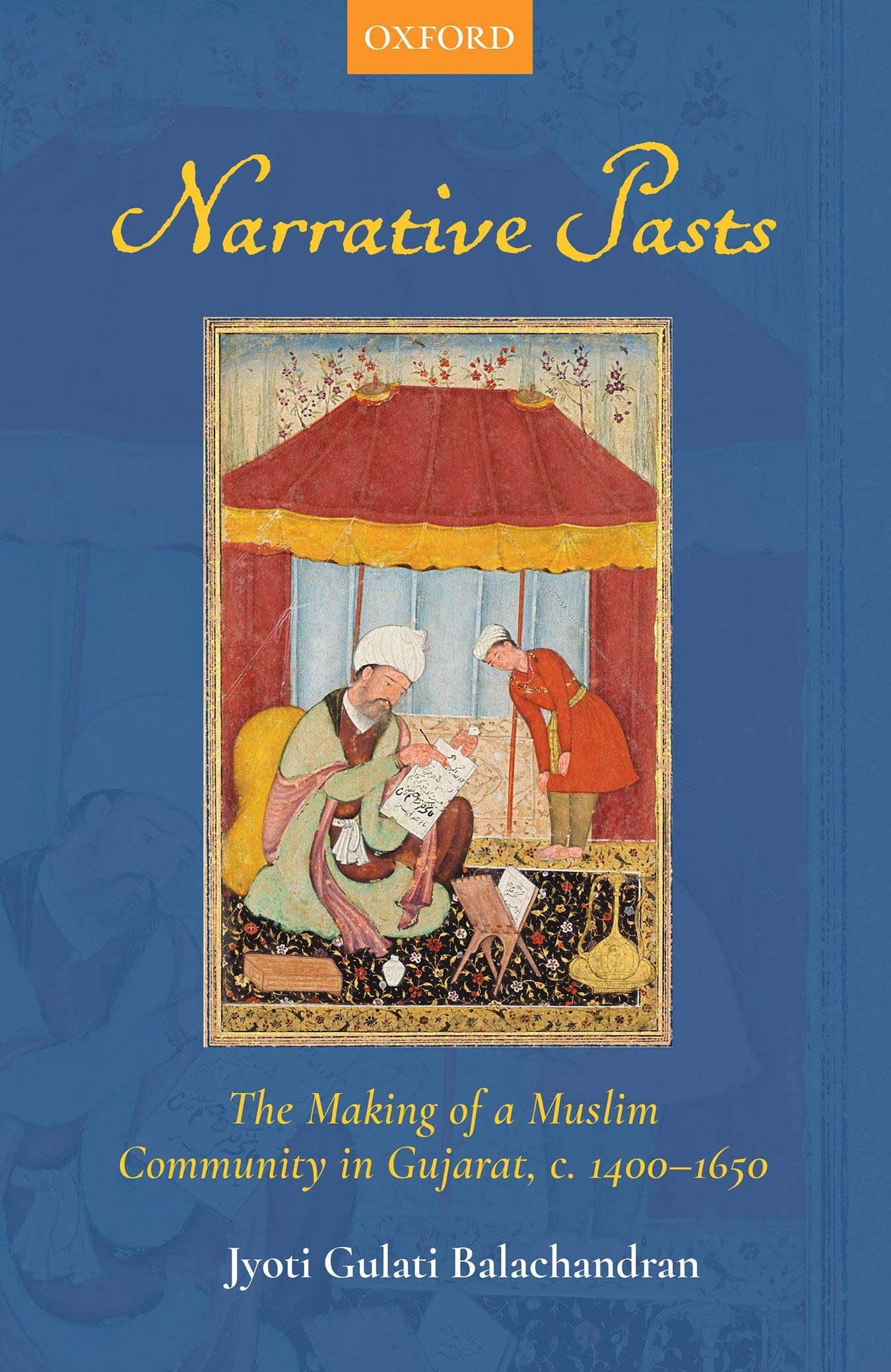
Narrative Pasts narrates the formation of the Muslim community in 15th century Gujarat. The work highlights the representational power of various literary genres—biographical, historical, genealogical etc. and the way these memorialize the 15th century landscape. It successfully demonstrates that the region of Gujarat had a significant position in the world of Islamicate South Asia wherein it shaped the literary developments as well as the identity of the Muslim communities in the subcontinent. The region was also the focal point of textual knowledge formation as well as a thriving urban settlement. Moreover…
2021
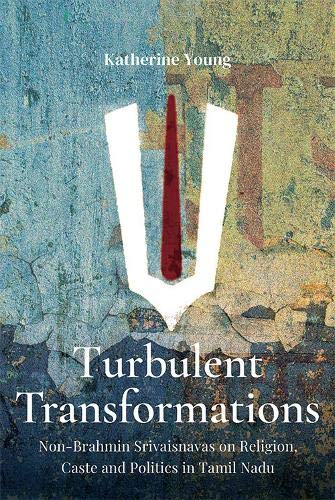
Sometime around the 11th-12th century CE, Ramanuja, a great Shrivaisnava saint, accompanied by two disciples travelled from Srirangam (presently in Tiruchchirappalli district) to Tirukottiyur (currently in Sivaganga district) in the Tamil Nadu region to meet a renowned acharya (loosely translated as teacher) for the purpose of learning a mantra (esoteric sacred knowledge) otherwise exclusively confined to the Brahmanas of the Shrivaisnava community. We are told that Ramanuja’s interaction with the acharya was a test of his will power and patience…
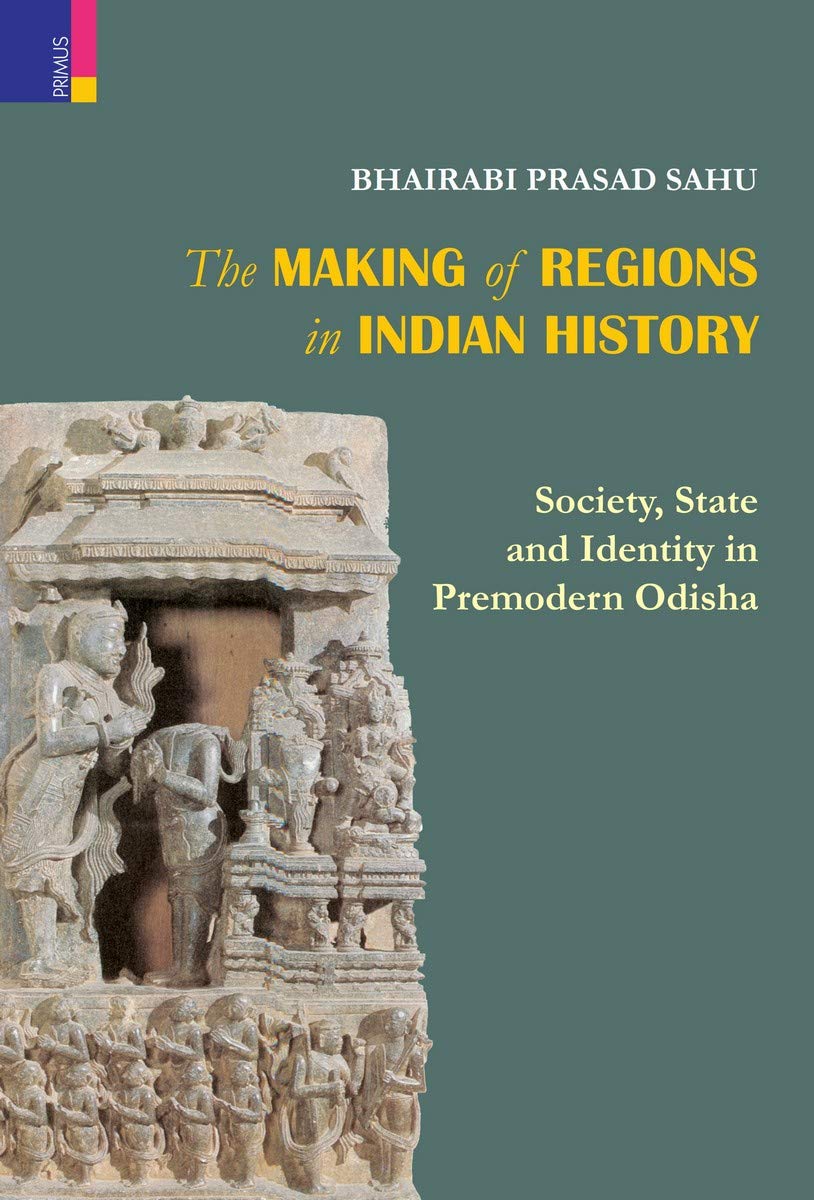
Bhairabi Prasad Sahu, a veteran historian, has published a collection of fourteen essays on the history of pre-modern Odisha. The book explores the ‘convergences of culture, language, society and territory’ (p. 20) in the making of the Odisha region from the post-Mauryan times to the sixteenth century. It engages with issues of monarchical state formation, expansion of state-society, shaping of a region-specific caste system, spread of Puranic religions, growth of trade, markets and urbanization, and the evolution of Odia language and script…
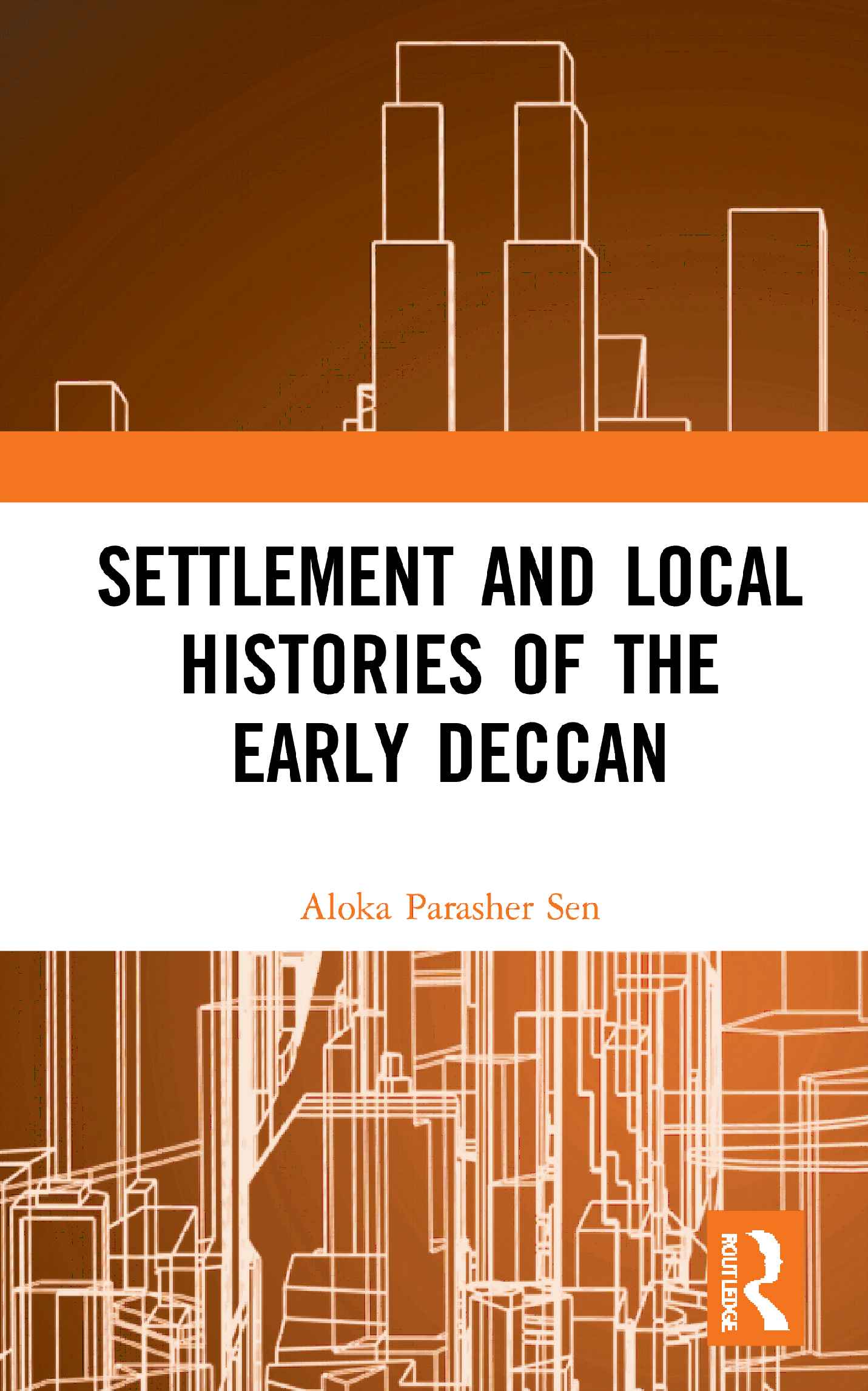
Aloka Parasher Sen, otherwise known amongst students of history for her groundbreaking works on forest spaces and forest dwellers, especially the Mlecchas, has made another crucial intervention via the book under review. This book on the early history of Deccan is her labour of love, a token of gratitude to the city of Hyderabad, where she taught as Professor in the Department of History, Hyderabad Central University. In another piece of writing, a rather interesting bio-note, Sen admits that her stay in Hyderabad made her sensitive to the immediate environs and got her interested, academically, in the region…
Urbanization is considered to be a significant moment in human history. Mumford argues that urbanization took an unprecedented form by throwing off natural limits of the environment with industrialization. Thus, while urbanization in the past was a historical moment for detaching labour from land and nature, urbanization in the present is about bringing nature back to tackle the question of livability of the city. This has made contemporary urban discourses witness the emergence of debates such as green urbanism, eco-city, sustainable city, etc…