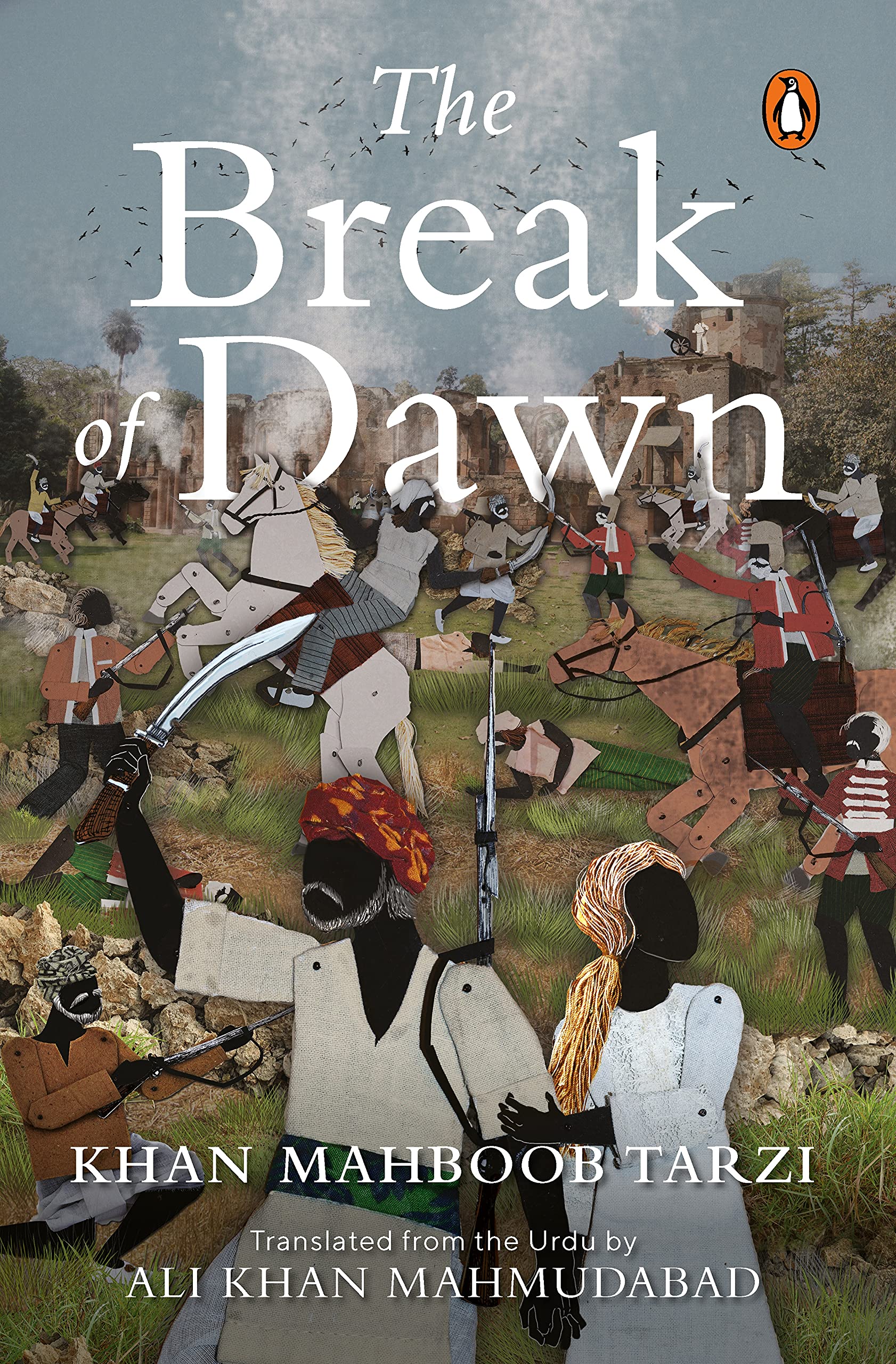
1857 is etched in the historical memory of India, particularly of Indian Muslims, as a singular event that ushered in a tectonic shift in Indian history and transformed their fate forever. Their claim to equal citizenship, let alone supremacy, was permanently eroded and the process of their minoritization was slowly set in motion. Nineteenth-century Muslim intellectuals like Sir Syed Ahmad Khan and Mirza Ghalib had a vague sense of it. But others, especially those writing in the wake of the 1947 Partition…
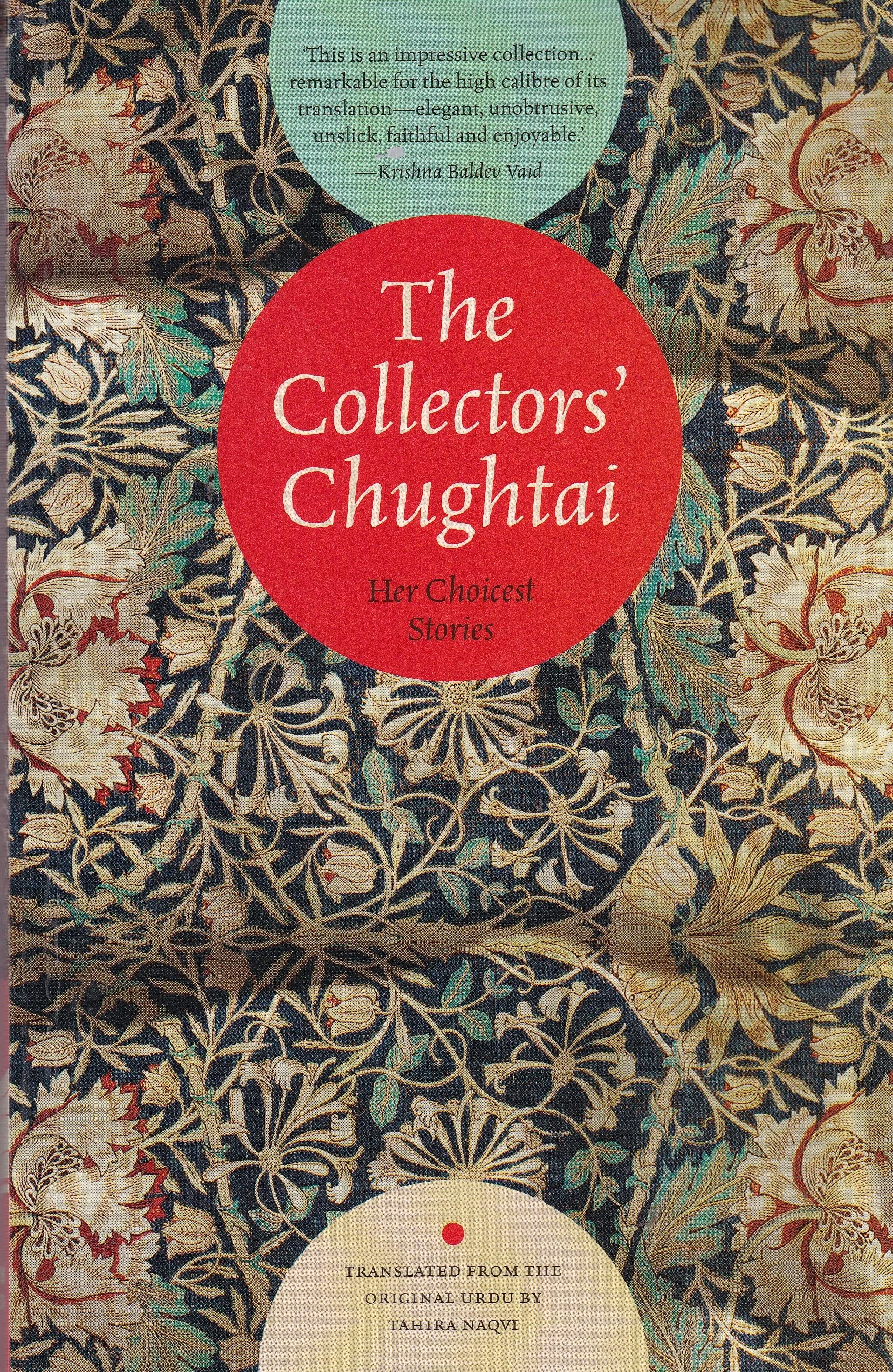
The Collectors’ Chughtai is a collection of twenty-nine short stories by Ismat Apa, or Ismat, as she is popularly referred to in the Urdu literary circles. Tahira Naqvi, who has translated other works by Chughtai, is the translator for this volume. Women Unlimited have once again done a favour to readers of translated Urdu afsanas and admirers of Ismat. Chughtai’s works regularly feature in graduate and postgraduate courses of literature or culture studies the world over. This is interesting since her works were first translated from Urdu to English not earlier than 1990…
To write is to demonstrate a principled willingness to be judged. The writer knows that her neck is on the line but she lives with this awareness and continues moving towards something more honest. She knows she will never be able to capture the entire human being, that her words—her most trusted aides—will fail her eventually, but she continues inching towards that failure ensuring that she fails well. In every failure she finds her reasons for embarking upon another failure, of a different and, preferably, better kind…
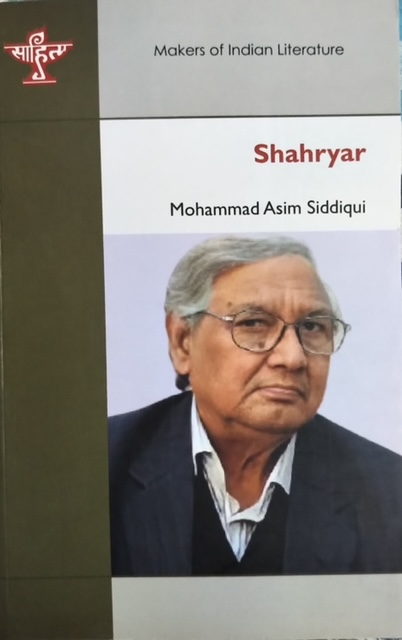
Shahryar (1936-2012) was a name incarnate indeed; the prince perfect of modern Urdu poetry. He was a person of suave manners and a poet of soft tone and tenor who stood out as an embodiment of urbanity in life and literature. He looked at life with clinical detachment and at literature with passionate commitment. During a literary career spread over five decades (1960-2012) and an academic career spanning over three decades (1966-1996), he earned a name for himself as an academic, editor, poet, and a film lyricist while balancing all these roles against one another with great distinction…
Grief and mourning are some of the hardest emotions to write about. The ongoing experience of the pandemic has returned us to these elemental experiences of loss and reminded us that words still carry the anguish of sorrow and the power of cathartic healing. Rabindranath Tagore’s poignant lyrics in Smaran and Palataka are both personal as well as timeless; they speak to all those who have lost beloved family members and those who fear such losses…
2021
What good can poetry do? A lot. Even for jaded sensibilities. When hype springs eternal in the human breast, poetry can be sobering. Poets have been reminding us for long that we are not all that human. Some of them fear a future when we are human. We lack the capacity, they say, to see one another as fully human, as more than ‘dreams or dots’. Some poets go a step further. They also try (almost in vain) to make us think and feel like the animals around us.