Varalaru.com
This is one time I wished I had been invited to contribute rather than being asked to do a review. In other words, one can unequivocally state that this is one festschrift volume that is richly deserved.
Reviewed by: Vijaya Ramaswamy

This is one time I wished I had been invited to contribute rather than being asked to do a review. In other words, one can unequivocally state that this is one festschrift volume that is richly deserved.
In the Idea of Justice, Sen engages the work of John Rawls, who died in 2002, and was one of the foremost contemporary American philosophical thinkers on justice.

Payal Dhar’s A Shadow in Eternity, The Key of Chaos and The Timeless Land, describe the journey of Maya Subramaniam, a girl of thirteen from Bangalore, to Eternity—a hyper-real land that the author creates as the primary setting for her science-fiction trilogy. Under the care and tutelage of her Watcher, Noah Jarryd,…
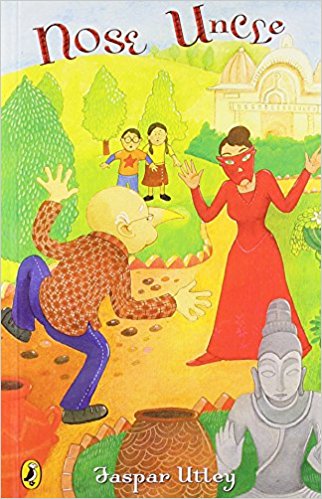
It does not take much to guess why the main protagonist of this unusual mystery novel is called Nose Uncle. But unlike most people with outsized honkers, Nose Uncle, whose real name is not disclosed, is proud of his nose and insists on being called ‘Nose Uncle’ and nothing else.
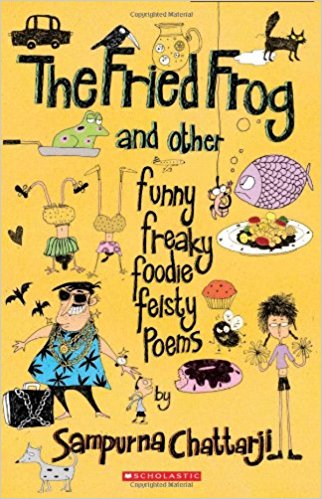
I was simultaneously intrigued and irritated by the title of Sampurna Chattarji’s book—if it were actually funny and freaky and feisty, I suspected, it wouldn’t need to say so on the cover, and the pedant in me insisted that foodie wasn’t an adjective. But it is a beautifully brought out compilation of six separate collections, and the cover has a magnificent cast of peculiar humans, animals and food.
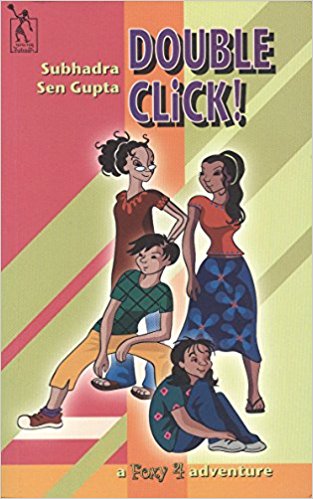
Any book beginning with four 16 year olds in a boarding school reminds you at once of the usual clichés about a detective story—stories of families, bullying teachers, secrets, unhappy classmates et al. But Sen Gupta’ story is different and refreshingly contemporary, almost necessarily so.