

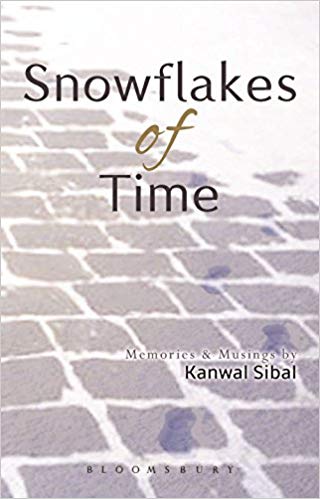
Snowflakes of Time is a collection of about a hundred poems divided into eight sections, presumably to separate them by themes. The author is a former Foreign Secretary of India. The compartments are not watertight. The sadness of ‘Time passed’ and ‘What might have been’ runs through a good number of poems in different sections. Also what the writer calls his communion with nature.

Translation in poetry becomes essential not only for bringing a work to a wider audience but to begin a literary and a cultural discussion. This is where the role of a translator becomes an important one—serving as a bridge between the poet writing in his/her language and a reader who will read it in another language. It is extremely difficult to transport the cultural and the literary baggage of one language and load it onto another.

Short story writing is not everybody’s forte. The author has to do a tightrope walk while trying to say so much in so little. This genre, which is increasingly getting popular along with other extreme variants like flash fiction and micro fiction is undoubtedly a reflection of our busy times. Shuma Raha’s book makes up a fascinating and enjoyable series of 13 short stories about ordinary men and women.
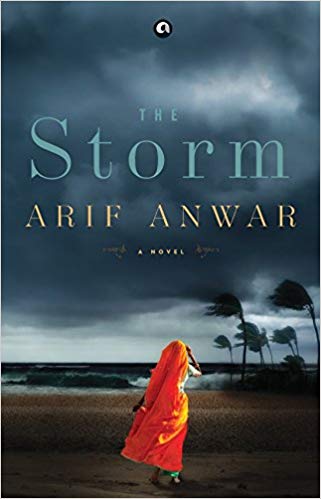
2018
‘The interior is ten paces on each side. At the far end, dimly lit by the hole-ridden roof, is a fiercely beautiful woman. Tall, with midnight skin, she wears a garland of severed heads, a skirt of limbs. Her rolling tongue reaches beyond her chin to point to the vanquished demon she tramples underfoot.
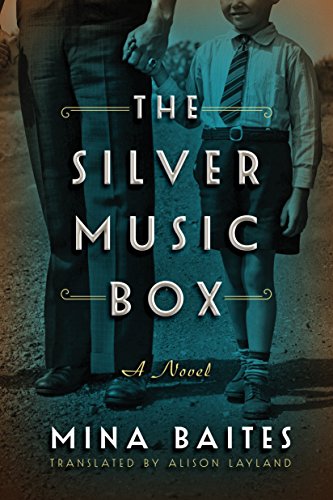
For a historical novel purportedly attempting to tell an intergenerational, transnational tale of the fortunes of a German Jewish family torn apart by the two world wars and the Holocaust, The Silver Music Box by Mina Baites, it must be admitted at the outset, disappoints sorely.