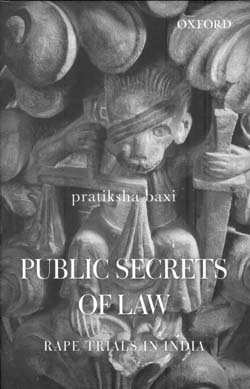
Pratiksha Baxi
The gang-rape and murder of a 23-year old physiotherapy student on December 2012 has been a watershed of sorts, galvanizing discussion around sexual assault, a hitherto taboo subject, like never before.
Reviewed by: Laxmi Murthy

The gang-rape and murder of a 23-year old physiotherapy student on December 2012 has been a watershed of sorts, galvanizing discussion around sexual assault, a hitherto taboo subject, like never before.
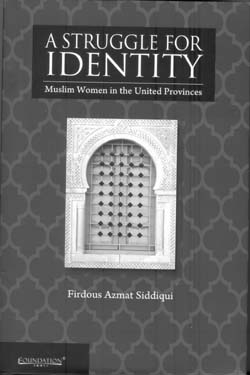
The book makes some landmark probings that is relevant not only from the perspective of women studies, gender and identity discourses but also understanding measures of Muslim women’s assertions, accommodation and adjustments in an imperial and indigenous patriarchal set up.
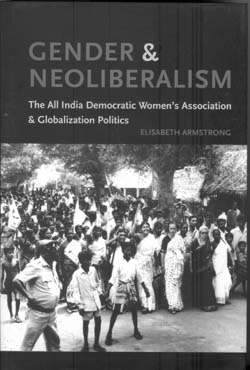
Gender and Neoliberalism by Elisabeth Armstrong is an important book because it advocates the belief that a gendered understanding of the political economy is essential and indeed possible. It attempts to displace the myth that the economy has nothing to do with questions of gender.
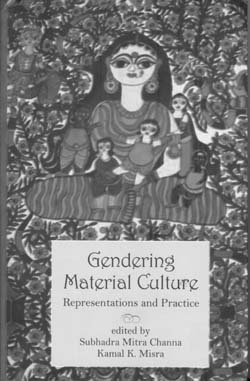
The study of material culture has evolved alongside the discipline of anthropology, though the field has taken an interdisciplinary turn only in the last two decades or so. At a very fundamental level, material culture refers to the study of any and all objects, be it buildings, books or beads.
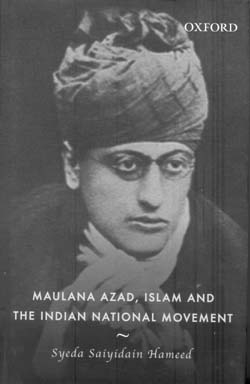
The life and personality of Maulana Azad remains, to put this in a clichéd manner, an enigma. Aside from his deep scholarship, active politics and religious inclinations, there is another aspect of this enigma. Azad, unlike many other Muslim figures in India’s pantheon of great men leading the freedom struggle…
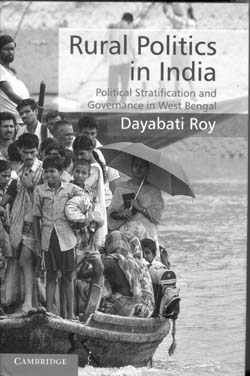
West Bengal, one of the major States in India’s East, an unfortunate by-product of the Partition of India in 1947 and the one which bore the brunt of the Partition by receiving millions of refugees from across the border, remained for a long time India’s most ungovernable State since Independence.