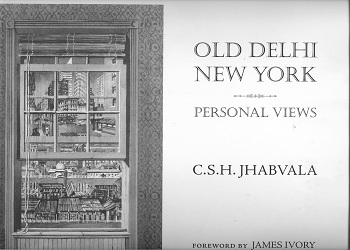
C.S.H. Jhabvala
Before and after Independence, India was engaged in a process of discovering itself and re-fashioning an identity for itself.
Reviewed by: Kanishk Prasad

Before and after Independence, India was engaged in a process of discovering itself and re-fashioning an identity for itself.
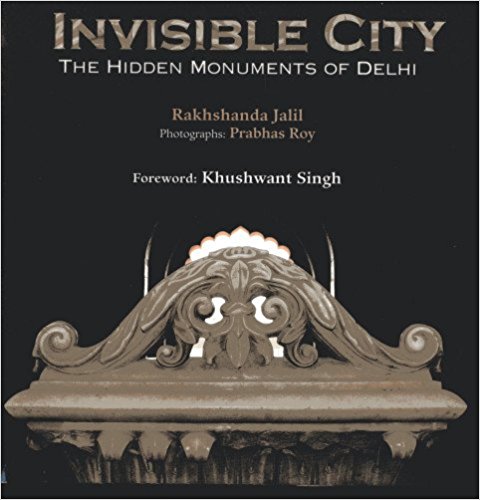
As a proud Dilliwali who loves Delhi, its monuments, history and culture, my study is filled with books on various aspects of the capital city. The latest addition on the bookshelf is the new edition of Rakshanda Jalil’s Invisible City: The Hidden Monuments of Delhi.
Between 2004 and 2008 I was involved in running an after-school creative activity centre for children. The place, called Leap Years was the brainchild of Rahul Bhandare, an enterprising young man with interest in music, the arts and much else besides his interests in power generation…
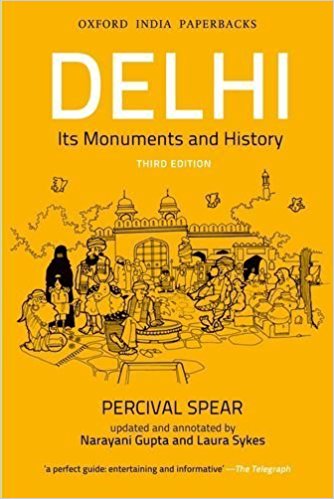
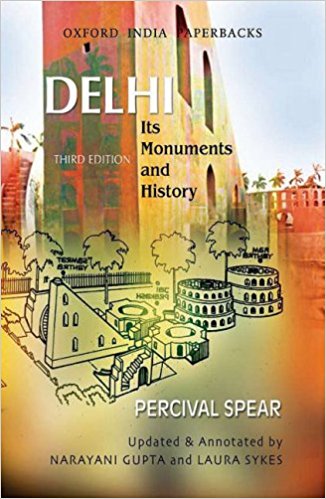
In the majestic setting of the Delhi Darbar of 1911, King George V let out on a secret project. It came as a surprise to most, if not an outright shock to all. The capital of British India was to be shifted out of Calcutta and Delhi was to resume its historical identity.

The fourteen chapters of Nirmala Jain’s Dilli Sheher Dar Sheher (Delhi: Between Many Cities), were serialized in Jansatta and Hans. They are part-autobio-graphical, part-commentary on Delhi since the 1940s.The book opens with stories, anecdotes, sketches of spaces, corners and lanes, intimate accounts of locales, languages, tastes and smells of the Old City…
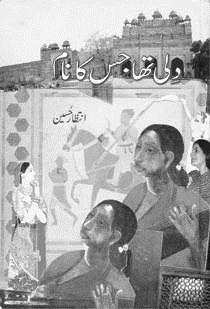
Brick by brick, Intizar Hussain finely constructs Delhi in Dilli Tha Jiska Naam, his own Dillinama. His characters are at times mythical, at others real.