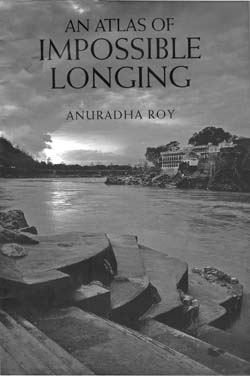
The metaphorical ‘atlas’ that describes the hand/ life/ character of Mukunda, the protagonist of this debut novel, can hardly subsume the ‘impossible longings’, the ‘pining for what is not’ that is also attributed to him.
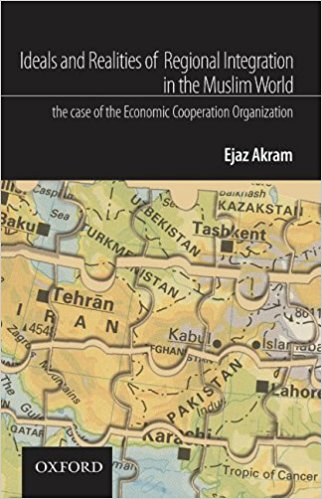
The Economic Cooperation Organization is the fourth incarnation of the regional group that goes back to the peak of the Cold War. In the mid-fifties, the United Kingdom, with the United States lurking in the background, brought Iran, Iraq, Turkey and Pakistan together under the Baghdad Pact to serve as a wall against the Soviet influence in West Asia.
Two most momentous events of the last decade of the twentieth century changed the focus of much economic thinking. For one, the end of the Soviet empire and the Communist regime in Russia ended the debate on whether a centrally planned system of pricing was better than the decentralized pricing system of a capitalist economy.
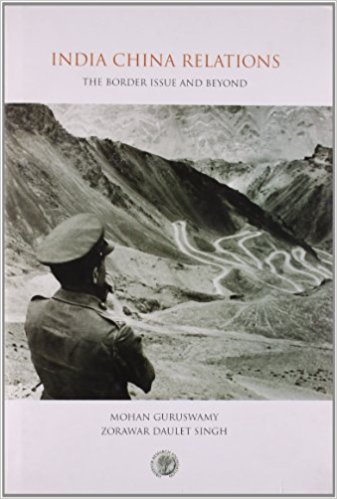
Ever since the Treaty of Westphalia ended the thirty years war in Europe in 1648, modern nation-state boundaries and jurisdiction have been a major area of contention across the globe.
The young author of this book was born in Halifax UK in 1900 and died fighting in the Spanish Civil War in 1936. In a short and rich life Fox not only became one of the founders of the Communist Party of Great Britain but gained a well earned reputation as a novelist, social historian, journalist and translator.
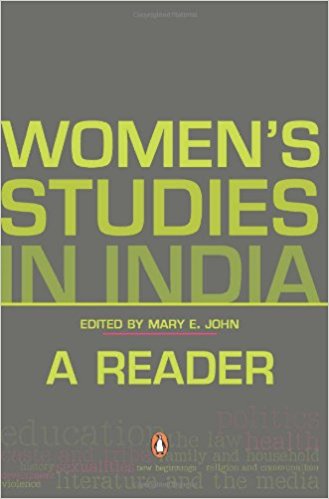
During the last two decades, women’s studies have acquired enormous institutional visibility in India. Started as a scheme within the non-formal education by the University Grants Commission (UGC) in 1986, it was institutionalized in a centre for women’s studies within a few universities. At present there are 66 UGC-sponsored women’s studies centres across India.