Jyoti Grewal

‘The ones who can call themselves contemporary are only those who do not allow themselves to be blinded by the lights of the century, and so manage to get a glimpse of the shadows in those lights, of their intimate obscurity.’ (Giorgio Agamben, What Is The Contemporary?, p. 45)


Reviewed by: Nitya Vasudevan
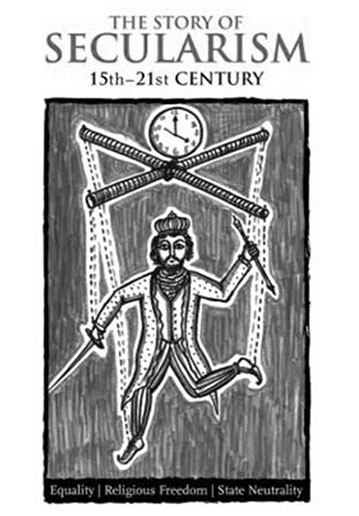
Zaheer Baber

Secularism in India has always been a contested terrain at both conceptual and practical levels. With the advent of modernity and democracy preceding the wave of industrialization, unlike in the West, it has largely been understood as a peculiar Indian phenomenon distinct from the western secular models.


Reviewed by: Suraj Thube
Nalini Rajan

Secularism in India has always been a contested terrain at both conceptual and practical levels. With the advent of modernity and democracy preceding the wave of industrialization, unlike in the West, it has largely been understood as a peculiar Indian phenomenon distinct from the western secular models.


Reviewed by: Suraj Thube
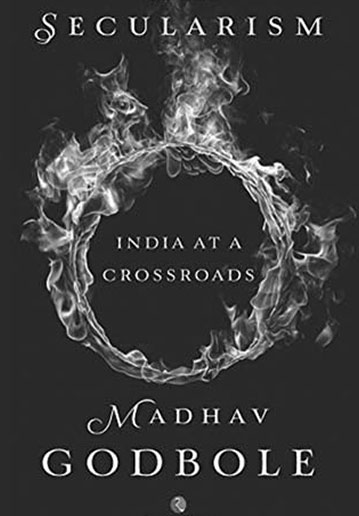
Madhav Godbole

Secularism in India has always been a contested terrain at both conceptual and practical levels. With the advent of modernity and democracy preceding the wave of industrialization, unlike in the West, it has largely been understood as a peculiar Indian phenomenon distinct from the western secular models.


Reviewed by: Suraj Thube
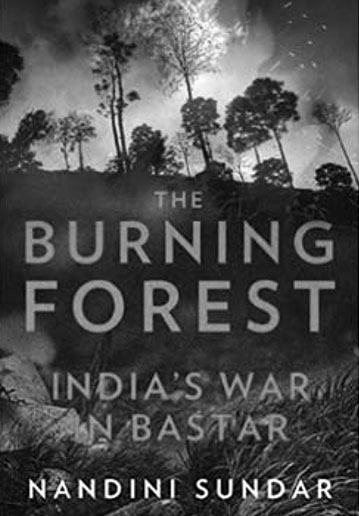
Nandini Sundar

Until the end of the 19th century the Adivasis enjoyed a relatively bucolic existence in the Princely State of Bastar. They were not subject to the exploitative caste relationships that existed on the plains, and the sparsely populated forests provided them with space to practice shifting cultivation, collect forest produce and hunt animals.


Reviewed by: Jonathan Kennedy
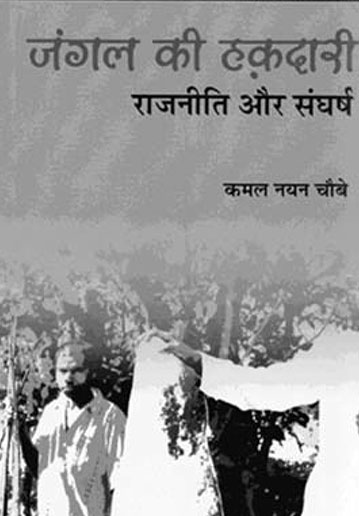
Kamal Nayan Chaubey

There are two intrinsic aspects that characterize the newness of this study. The book establishes a serious engagement between political theorization and everyday world of tribal communities in contemporary India. It evokes the notion of law as a determining reference point to understand the changing political world of tribal communities.


Reviewed by: Hilal Ahmed