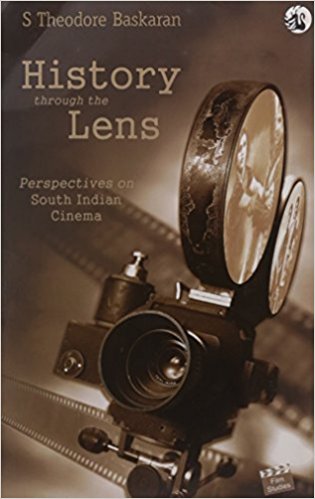
Theodore Baskaran
There has been a new interest in the histories of regional cinema industries in academic institutions which are manifested in ongoing research and recent conferences.
Reviewed by: Bindu Menon

There has been a new interest in the histories of regional cinema industries in academic institutions which are manifested in ongoing research and recent conferences.
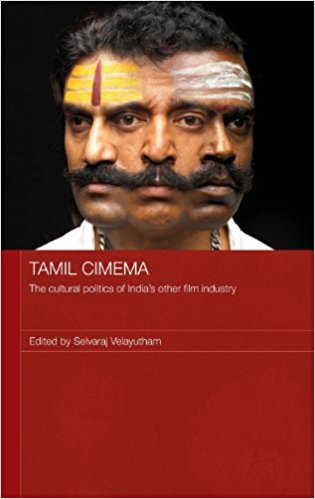
Selvaraj Velayutham’s edited volume, which is perhaps one of the first academic attempts to take a comprehensive look at the Tamil film industry , “of one of India’s largest, most prolific and increasingly significant cinemas” (Velayutham: 1) has hit the market at a time when Bollywood is hogging attention and space in academic circles as a global brand.
Brand Bollywood by Derek Bose is a study of the commercial possibilities of popular Hindi cinema of Mumbai. It looks at the many strands of technology available to increase the revenue of Hindi films.
Vijay Seshadri’s two earlier collections, Wild Kingdom and Long Meadow (Graywolf Press, 1996 and 2004 respectively), have already been reviewed well. Richard Wilbur, Frank Bidart, Evan Boland, and Campbell McGrath (the known and the lesser known ones) have noted his poetic merit in unmistakable terms. The Los Angeles Times Book Review, The New York Times Book Review, and The New Yorker had words of praise for him.
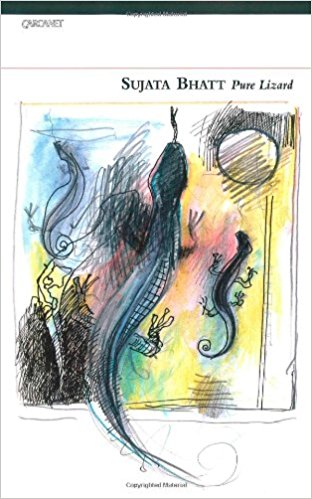
Sujata Bhatt’s meditative and reflective verse has established her among the much feted poets of promise writing in English today. Her poetry is marked by a poignant search for home, language and love. She conducts this search with deep sympathy and empathy through the use of memory and history in her work.
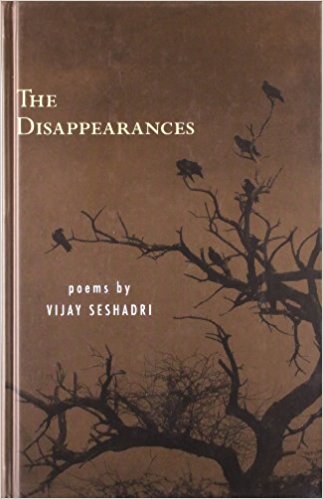
Vijay Seshadri’s two earlier collections, Wild Kingdom and Long Meadow (Graywolf Press, 1996 and 2004 respectively), have already been reviewed well. Richard Wilbur, Frank Bidart, Evan Boland, and Campbell McGrath (the known and the lesser known ones) have noted his poetic merit in unmistakable terms. The Los Angeles Times Book Review, The New York Times Book Review, and The New Yorker had words of praise for him.