Stateless were we branded and stigmatized…as outcaste vagabonds at the bottom we remain, with shattered and bleeding hearts we leave, like dumbed cattle benumbed we go (p. 247). The apathy and difficulties in the lives of refugees and stateless people are innumerable, and there will never be enough words to describe their predicament’s severity adequately.
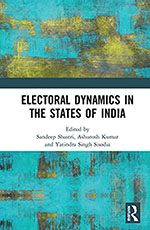
With the establishment of a new dominant party in India since 2014 and its re-election with a thumping majority in 2019, a new political era has been identified with the BJP being called a ‘system defining party’. A lot has been written about the changing political climate of the country with the Bhartiya Janata Party as the dominant party in order to analyse the reasons for the BJP wave sweeping across the nation.
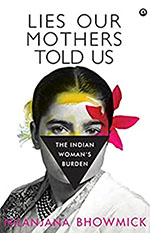
The issue of gender in India is a complicated one—a society that is marked by a dividual sense of individuality—the ‘woman’ may find herself diluted in the various roles and versions that threaten to drown her and her voice, and surely even her desire. The struggle for being acceptable, needed, and valued may be so intense that it is seen to be bargained for one’s own sense of self. It is going to be difficult to review a feminist writing without bringing in all the other authors who have so prolifically written on the subject, but I am going to stick to the book at hand.
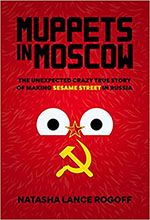
In the year of the historic moon-landing, American children were gifted with the educational programme on television named Sesame Street. It revolutionized children’s television in the US and soon became one of the brands of ‘American Values’ in the polarized world. The affectionate muppets in the show were symbols of love, tolerance and cooperation; but above all, they were believed to have inculcated the spirit of individuals’ freedom and dignity amongst school children.
Mention ‘Dr Zhivago’ and people will recall the 1965 blockbuster movie, not Pasternak’s novel published in 1958. Not surprising, because the movie focuses on the emotive love story. The book, on the other hand, reveals the complexity of the events of that tumultuous period in Russia’s history (from 1905 to the Second World War) and their influence on human relationships.
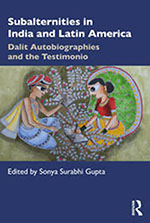
Autobiography is a genre of literature where an individual narrates his/her own life to others through the act of writing. Generally, this is done by the privileged to display their inherent superiority and worthiness to other members, less worthy. Even when personalities from minority or disadvantaged groups are recognized, the standards of evaluating the life of these individuals might be reinforcing the dominant group’s evaluative criteria.