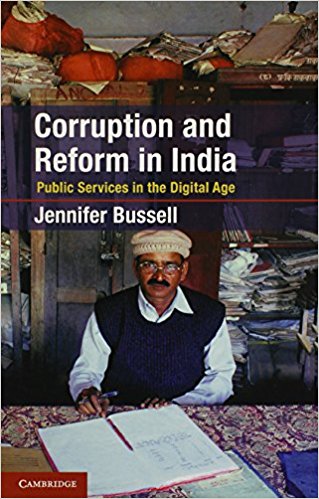
‘E- governance’ is now commonly referred to as the fourth wave of administrative reforms. In India as well, the verve of E-Governance based initiatives, which began in the late 1990s continue to be seen as the primary mechanism for improving service delivery.
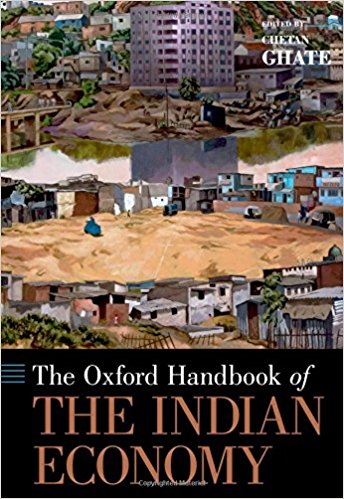
This handbook deals with a wide range of India’s economic development experiences on poverty, industrialization, displacement, demography, institutional reforms, macroeconomic reforms, sectoral reforms and issues related to globalization, besides giving a sketch of India’s development experience at the macro-level both from colonial and post-Independence periods.
The book under review brings together fifty-one book reviews and essays written by A. G. Noorani over the past four decades.
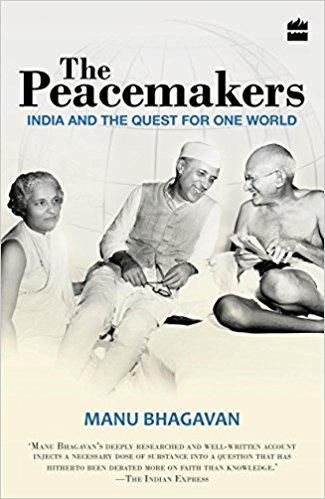
The foundations of Independent India’s Foreign Policy are contained in Article 51 of the Constitution which stipulates that the state shall endeavour to (a) promote international peace and security (b) maintain just and honourable relations between nations (c) foster respect for international law and treaty obligations in the dealings of organized peoples with one another; and (d) encourage settlement of international disputes by arbitration.
This collection of nine essays brings analytical reflections from as many Jammu and Kashmir scholars.
This evocative book takes us back through a time-machine, into the world in which the expatriate community, mainly western, lived in the quintessentially Chinese Peking in the early 20th century, immediately following the 1900 Boxer Uprising, right up to the 1949 triumph of the Communist regime and China’s Liberation. It provides a neat counterpoint to the flood of recent writing on China, showing us through the eyes of foreign residents the real distance the country has traversed.