Deepak Nayyar
These two companion volumes put together thirty essays of, in Joseph Stiglitz’s words, ‘one of India’s foremost economists’ who has straddled the worlds of both academia and policy making.
Reviewed by: Surajit Mazumdar

These two companion volumes put together thirty essays of, in Joseph Stiglitz’s words, ‘one of India’s foremost economists’ who has straddled the worlds of both academia and policy making.
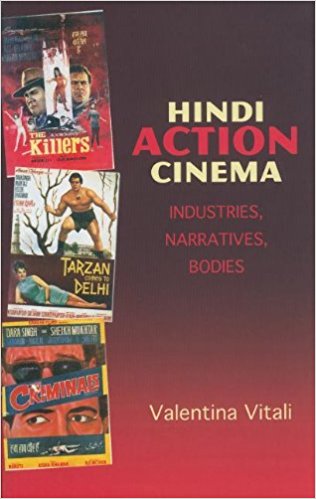
Valentina Vitali’s book Hindi Action Cinema: Industries, Narratives, Bodies, traces the historical trajectory of action as a significant component of popular Hindi cinema. Moving from the silent period to the contemporary, the author attempts to locate the ideological function of action as a defining element in popular cinema.
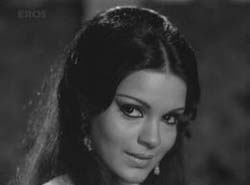
This is a surprising collection of reasonably longish short booklets – called monographs by general editor of the series, Nasreen Munni Kabir – about some of the heroines of popular, commercial and mainstream Hindi cinema, starting with Nutan of the 1950s, Saira Banu, Mumtaz of the 1960s, Zeenat Aman, Jaya Bachchan and Smita Patil of the 1970s, Madhuri Dixit of the 1980s and 1990s.

Situated somewhere between an autobiography and a memoir, Dev Anand’s narrative of his life and times in the Bombay film industry and his rise to stardom, opens up certain contradictions which are usually connected with a star’s autobiographical project.
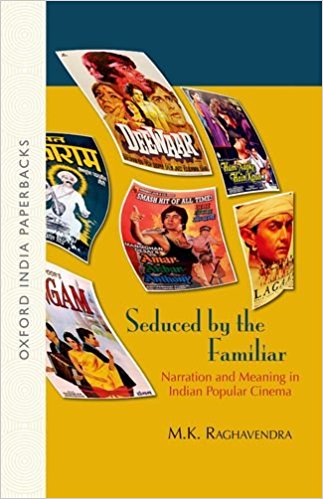
There has been a lot of writing on the Hindi cinema as popular culture in recent years that has ranged from the journalistic to the academic. The spread of film studies as a discipline since the eighties put the pressure of academic writing on writers who were specialists in their field, but who had not internalized academic theory.
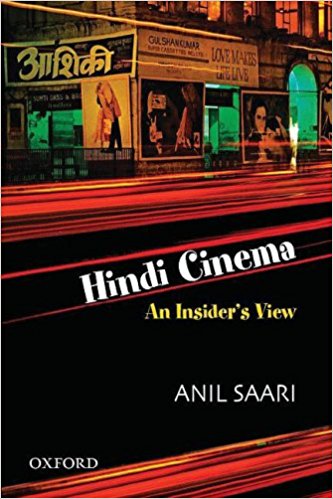
With new publications on Hindi cinema arriving with startling frequency, every month or so, it is daunting to keep track of what new is being said. However, Anil Saari’s writings on Hindi cinema are hardly recent. Born in 1945, film journalist Saari began to write on films and filmmaking in the seventies and continued to do so till his demise in 2005.