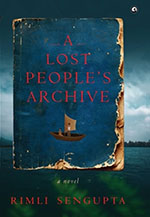
By Rimli Sengupta
At one point in Rimli Sengupta’s debut novel A Lost People’s Archive (2023) the ghost of the novel’s protagonist Shishu laments that Indians never kept archives unlike Romans and Chinese
Reviewed by: Mohammad Asim Siddiqui

At one point in Rimli Sengupta’s debut novel A Lost People’s Archive (2023) the ghost of the novel’s protagonist Shishu laments that Indians never kept archives unlike Romans and Chinese

Mallika’s memory loss of three days. From there on we are led on a voyage of perspectives, and each of them showcases the richness of the inner lives of these characters.
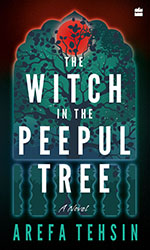
Arefa Tehsin’s work of fiction The Witch in the Peepul Tree gives a peek into the myriad changes unfolding in the nation through the lives of the people in Dada Bhai’s house.

The poetry here is not in-your-face. Its intention is not to shout out, convert or proclaim; never wanting to draw attention to its intense gaze and its whispered yet assertive commenting voice.
This is a collection I have enjoyed reading.

As India celebrates its 75th year of Independence, Indian English poetry enters into its most robust and refulgent phase. Hitherto derided as a derivative discourse, imagined and expressed in a language which is not just alien but is patently colonial, Indian English poetry announces its ‘freedom’ from such insidious denunciations.

Like the scraps of a quilt, the poet Indu K Mallah stitches the pieces of fabric together with the invisible thread of warmth and empathy in her slim volume of poems.