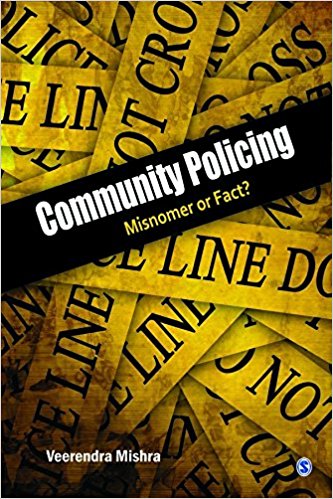
Community policing has several meanings. To begin with, it refers to a process of taking policing back to citizens, for according to some scholars, that is where it began as a measure of public safety even before states and regimes appropriated this role and created a ‘police force’ for maintenance of public order and, of course, for their own protection.
The age of liberalization, privatization and globalization has raised a number of issues, which are central to the tribal life in India. One such important issue is the land question, which is generally considered as a ‘philosophy of tribal life’.
Paul R. Brass’s mega project on ‘The Politics of Northern India: 1937-1987’ is steadily progressing. His style is unique, focusing on the second rung of leaders who played a vital role in the pre-Independence period and immediately thereafter.
Two more books to the Gandhi shelf! Looks like a library will not be enough to house books on and by him. Yet Gandhi is never going to cease to be an enigma.
The book under review is a very welcome addition to the growing interest in mining older Indian intellectual traditions to understand and account for many of the diverse, and often contradictory, impulses of anti-colonialism and nationalism.
Though Political Science is a contested discipline there is near unanimity about its basic foundational structure.