Sunanda Sen, through her long career, has been writing extensively on questions related broadly to globalization, and in particular, on the intricacies of trade and financial flows and how these might impact the well-being of the working people, especially in the developing world.
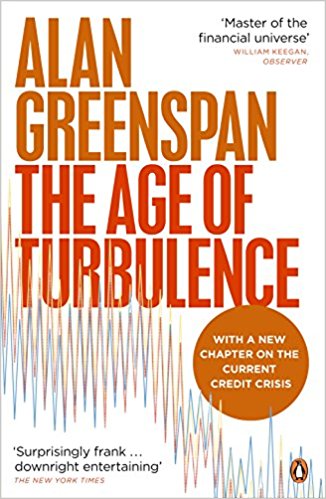
Half of this book tells the story of the heady years between 1987 and 2006 when Alan Greenspan was the Chairman of America’s Federal Reserve Board, known to the whole world as simply the Fed. The other half consists of musings about the future and is actually quite disappointing.
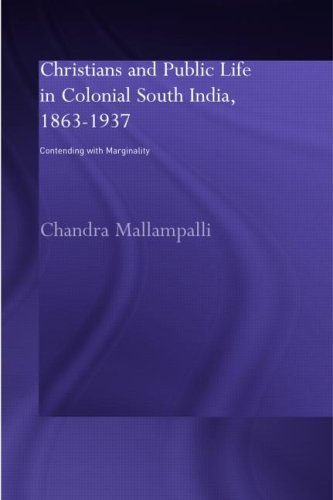
The theme of the formation of Christian identities and the nature of its implications in politics during colonialism has been a much-neglected area in Indian history. Many reasons can be adduced for this neglect.
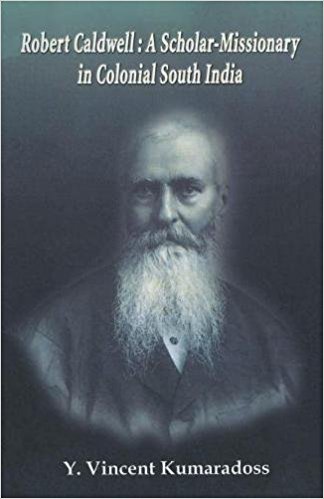
I enjoyed reading this book, though as local histories go, it is extremely dense and detailed. Missionary history is a specialist domain, because it chronicles 19th century lifeworlds, very far removed from present circumstances.
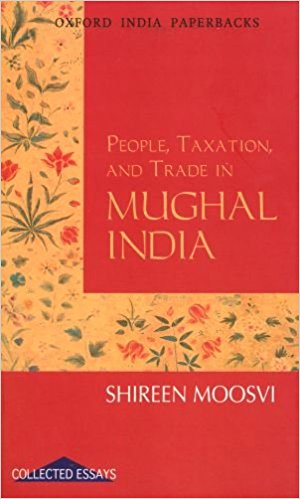
Perhaps no period or region in Indian history is as well documented as the Mughal period. The practice of Mughal rulers of maintaining personal records and autobiographies, the encouragement given to contemporary historians to write official biographies and histories,
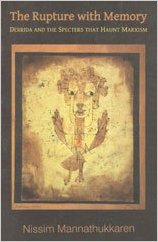
The central theme of this study is memory. Other important ones include teleology, spectrality, Derridean deconstruction, certain aspects of Marxism, ideas of the messianic plus philosophies of alterity.