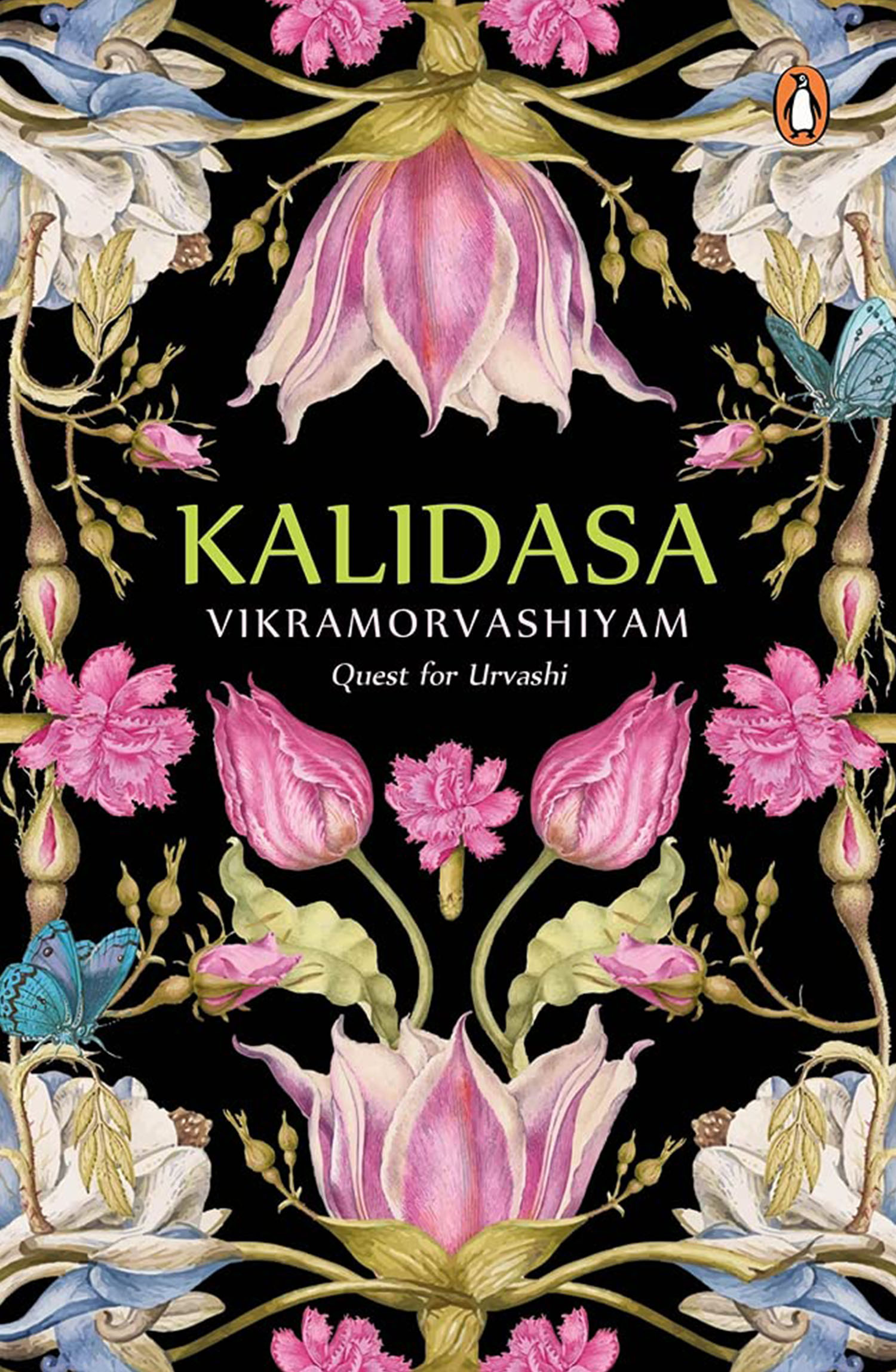
Kalidasa. Translated from the original Sanskrit by A.N.D. Haksar

In these troubled times, when even leisure reading requires motivation, a translation whisked me off to a fantasy land…a land of unparalleled beauty and unmatched courage, a land of love and romance. My own reluctance to be led away is just one part of the story, the growing discomfort…


Reviewed by: Sudhamahi Regunathan
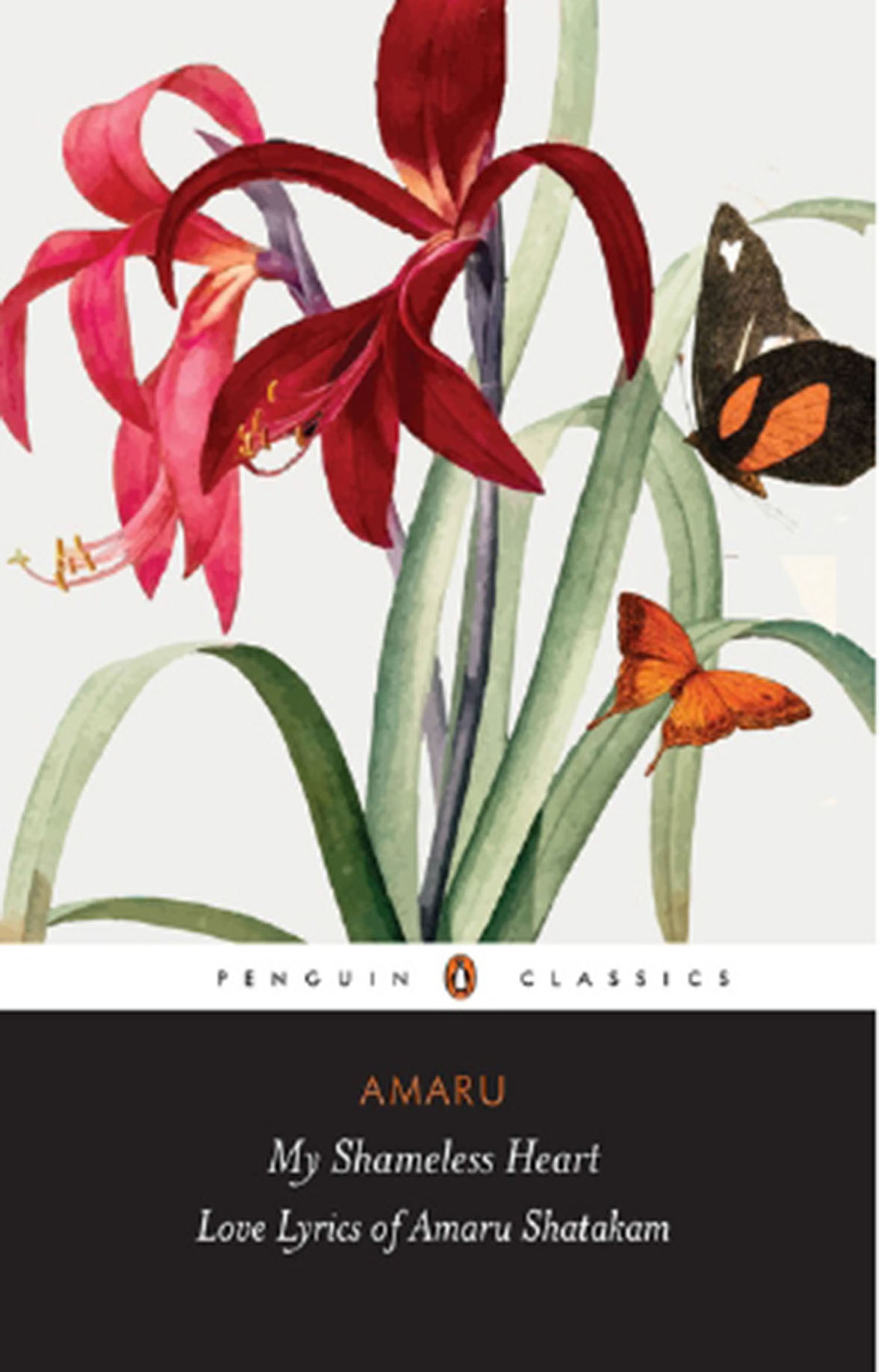
Amaru. Translated from the original Sanskrit by AND Haksar

Amaru Shatakam, translation of some hundred love lyrics is one of the best specimens of the genre in classical Sanskrit.  Nothing is known about the author but it is ascribed to a king of Kashmir. There is also the fantastic legend identifying him with the soul of Adi Sankaracharya transferred into the body…


Reviewed by: Sita Sundar Ram
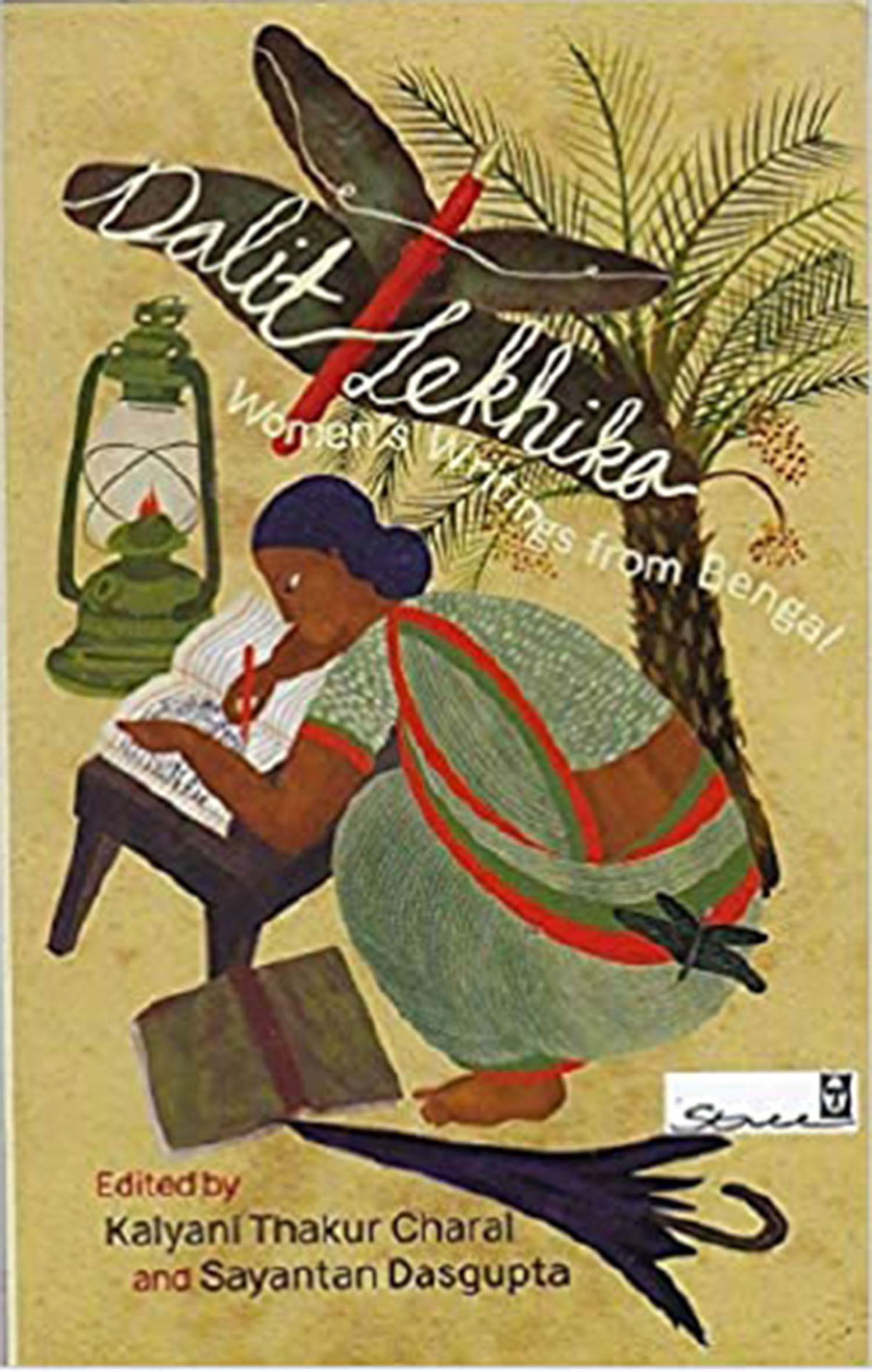
Kalyani Thakur Charal and Sayantan Dasgupta

In Kalyani Thakur Charal’s short story translated as ‘A Hundred Pens’, Rekha’s Thakuma/paternal grandmother, though illiterate herself, dreams of  a new generation rewriting the history of discrimination, oppression, neglect and deprivation that marks the caste-based politics of the Indian subcontinent.For thousands of years our people haven’t been able…


Reviewed by: Jayati Gupta
Nirmal Kanti Bhattacharjee

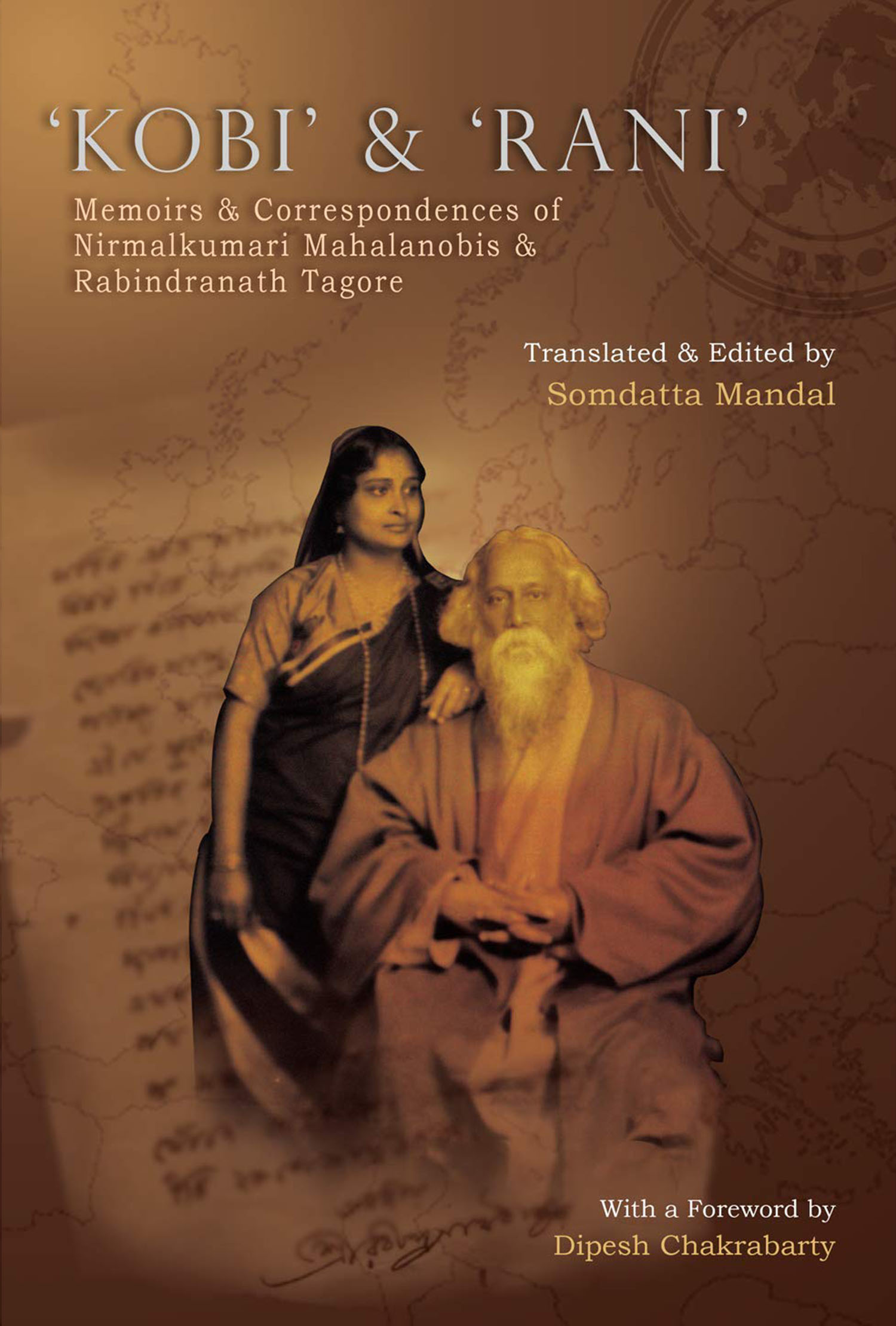
Rabindranath Tagore’s androgynous imagination finds fulsome expression in the two books under review. How he extended his understanding to the mysterious secrets of women silenced by patriarchy remains a conjecture. Periodic translations open up the question in various social contexts…


Reviewed by: Malashri Lal
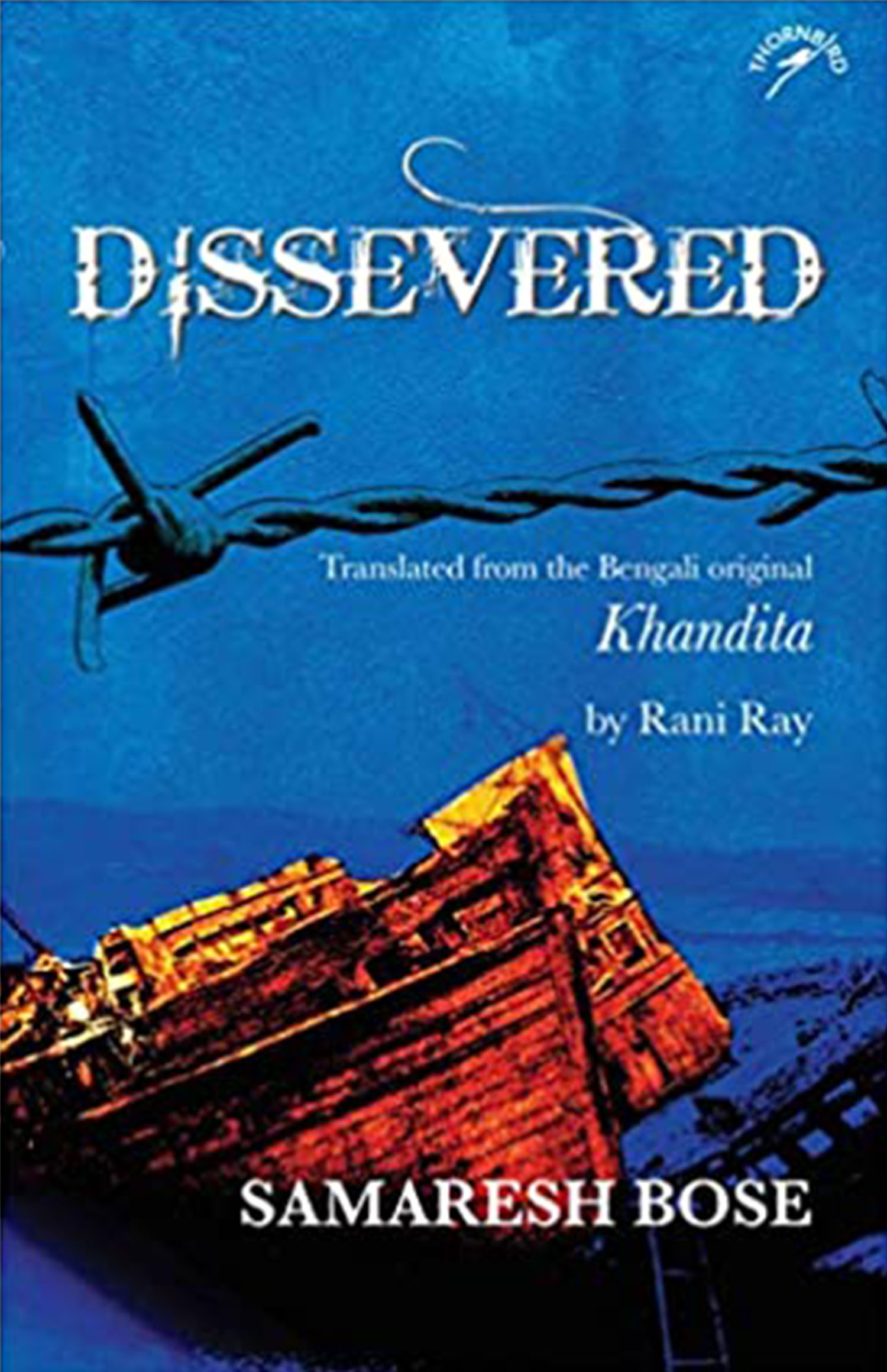
Samaresh Bose. Translated from the original Bengali by Rani Ray

Partition narratives accommodate some of the most difficult and irreconcilable spaces of human experience within the contested ideas of home, nation, and sense of belonging. Samaresh Bose’s Bangla novella Khandita written in 1985, translated into English by Rani Ray as Dissevered in 2019, registers the need to comprehend…


Reviewed by: Payel Chattopadhyay Mukherjee