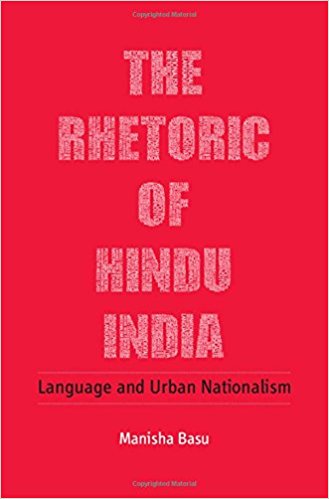
The politics of Hindutva has created its hegemony in Indian politics in the recent past, particularly after the 2014 general election. Prime Minister Narendra Modi has emerged as a popular and strong leader, who has not only made his mark in the rural areas of different States (particularly North and West India) but also created a huge fan following in urban areas and within the Non-Resident Indian (NRI) communities in different countries.
The idea of ‘Warzone Tourism’ has a long past, going back some five hundred years earlier. Ladies from the royal/ruling/warring households and journalists have displayed a tendency to witness and watch live conflicts for fun and entertainment.
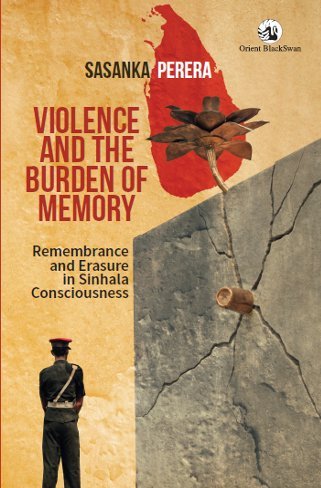
The opening episode of Sasanka Perera’s new book, Violence and the Burden of Memory; Remembrance and Erasure in Sinhala Consciousness is about his own memory of a school friend, Anura.
It is often stated that caste is class in India and that considerations of caste is more important than religion. It is for this reason that Ashwini Deshpande’s work deserves attention as she has researched extensively on caste and the policy of reservations in India.
No other public institution in any po- litical system has public interface with an identifiable visibility than the police. Circumstances are almost entirely regulatory that seldom create a positive image of the institution.
Indian Youth and Electoral Politics: An Emerging Engagement edited by Sanjay Kumar takes up critical questions that have dominated the larger political canvas since 2009.