George Saunders

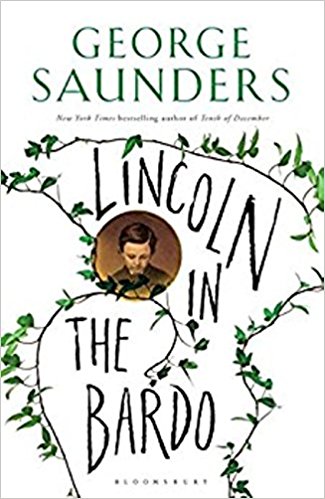
What is the place of grief in the pursuit of greatness? George Saunders explores this theme in his new book Lincoln in the Bardo. The year in the book is 1862 and the American Civil War is a year old and no one knows yet what changes it will bring. President Lincoln and his wife Mary are organizing an annual reception, an event which would later be variously described in the memoirs and diaries of their contemporaries.


Reviewed by: Vasundhara Sirnate
A.N.D. Haksar

Ksemendra was a classical Sanskrit poet who flourished in the reign of Ananta ( 1028–63 CE) and his son Kalasa. He belonged to Kashmir, home to such great poets like Anandavardhana and Abhinavagupta.


Reviewed by: Sita Sundar Ram
Arshia Sattar

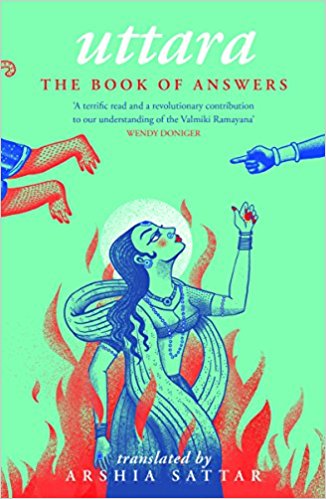
In a general, widespread opinion, the Rama story is old and ageless and its narration in Valmiki’s adi-kavya both original and authoritative.


Reviewed by: A.N.D. Haksar
Manujendra Kundu

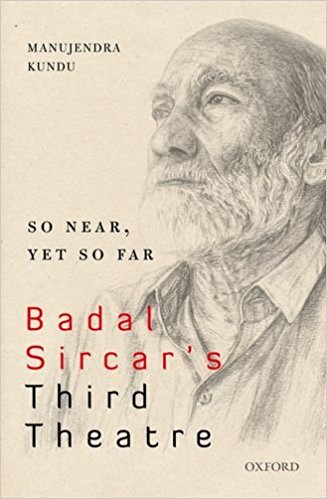
Sometimes in the mid-1980s, the India Trade Promotion Organization (ITPO) had organized a street theatre festival at Pragati Maidan. I was an undergraduate those days, perennially short of money, and Pragati Maidan was a haven. One could watch world cinema for almost nothing at Shakuntalam Theatre, and, for a few years in the 1980s, ITPO invited leading theatre companies and directors to perform in one of its exhibition halls, refashioned into a theatre hall called Manzar.


Reviewed by: Sudhanva Deshpande
Raju Bharatan

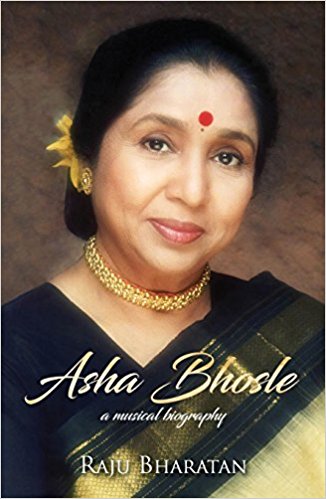
This book, on one of the most formidable musical talents of this century, shatters one’s reverie. Those of us who live, breathe, and draw our sustenance from Hindi film music (HFM), would prefer to be enveloped by its versatility, complexity and the sheer richness of its musical variety, and not have to think about the behind-the-scenes machinations, the power play, personal rivalries, technological changes…


Reviewed by: Ashwini Deshpande
Humra Quraishi

The two books under review showcase the legacy of two music families in different ways. Quraishi’s book is rich in illustrations—it has drawn on the photo albums of the Dagar clan. Raghavendra Joshi’s book has some family photographs as well, but the text is central—a tribute to Bhimsen Joshi by his eldest son, it is a story of family hurt and neglect.


Reviewed by: Partho Datta