Venture capital, though not new in India, has expanded in the last decade; India has created over a 100 unicorns with a combined market capitalization of $240 billion. This enormous wealth creation has spurred a growing investor appetite for start-ups. More than $60 billion has been invested in Indian start-ups over the past five years, with around $12 billion in 2020 alone. The most astounding example is the resounding success of the food delivery app, Zomato, which after registering a robust listing day gain of 66% continues to scale new highs every day despite not making a single rupee by way of profits…
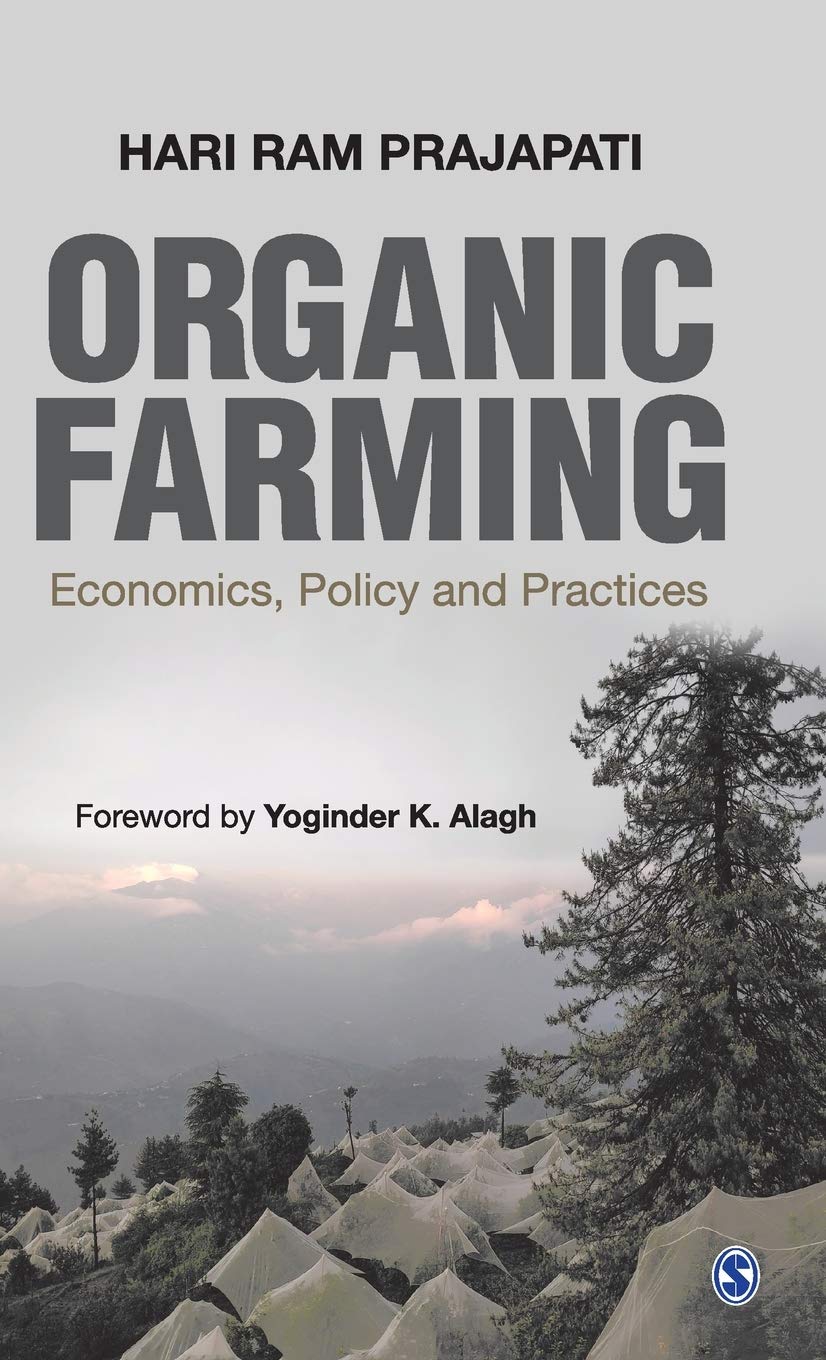
Small land holdings, coupled with low productivity and high volatility of agricultural yields, and farmers’ income are the concerns of Indian agriculture today. These concerns need to be addressed by raising agricultural productivity and lowering market, production and climatic risks. Substantially increasing farmers’ income and making it stable are the pre-requisites for the viability of the sector. Adoption of organic farming can be financially rewarding and environmentally sound. The book Organic Farming: Economics, Policy and Practices by Hari Ram Prajapati is an attempt to describe the economics and status of organic farming and related government policies in the country…
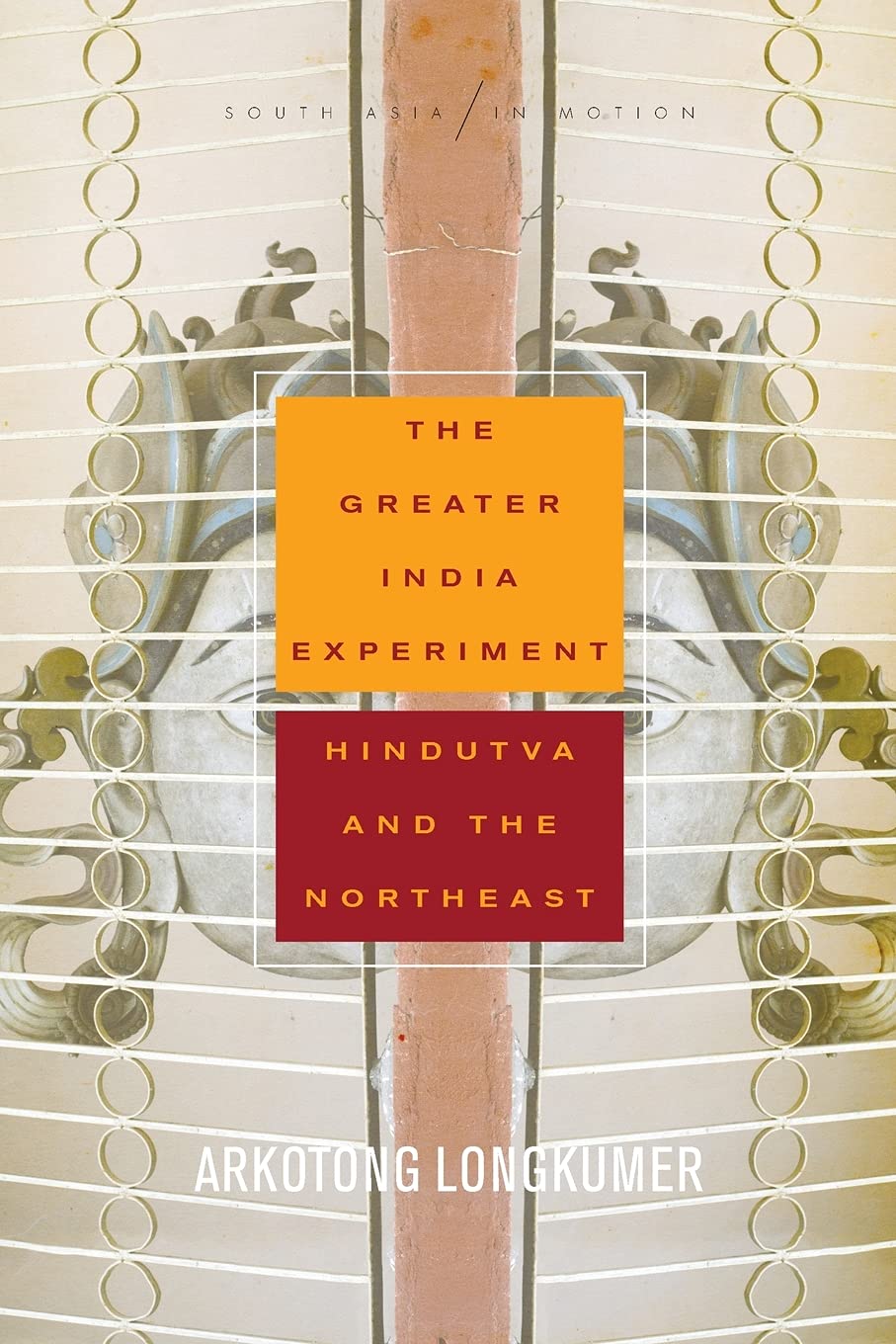
Fresh scholarly interests evoking curiosity and concern have come up after the rise and consolidation of Hindu nationalism in India. The capture of power by the BJP in 2019 has made the causes and consequences of its victory a timely and tantalizing prospect for analysis, spanning volumes of work in academia and journalism. Accounting for the rise of the Hindu Right, studies have explored complex polarization strategies, majoritarian logic, suave use of caste-class algorithms, alliance making, attracting funds of corporate houses, deft social media marketing…
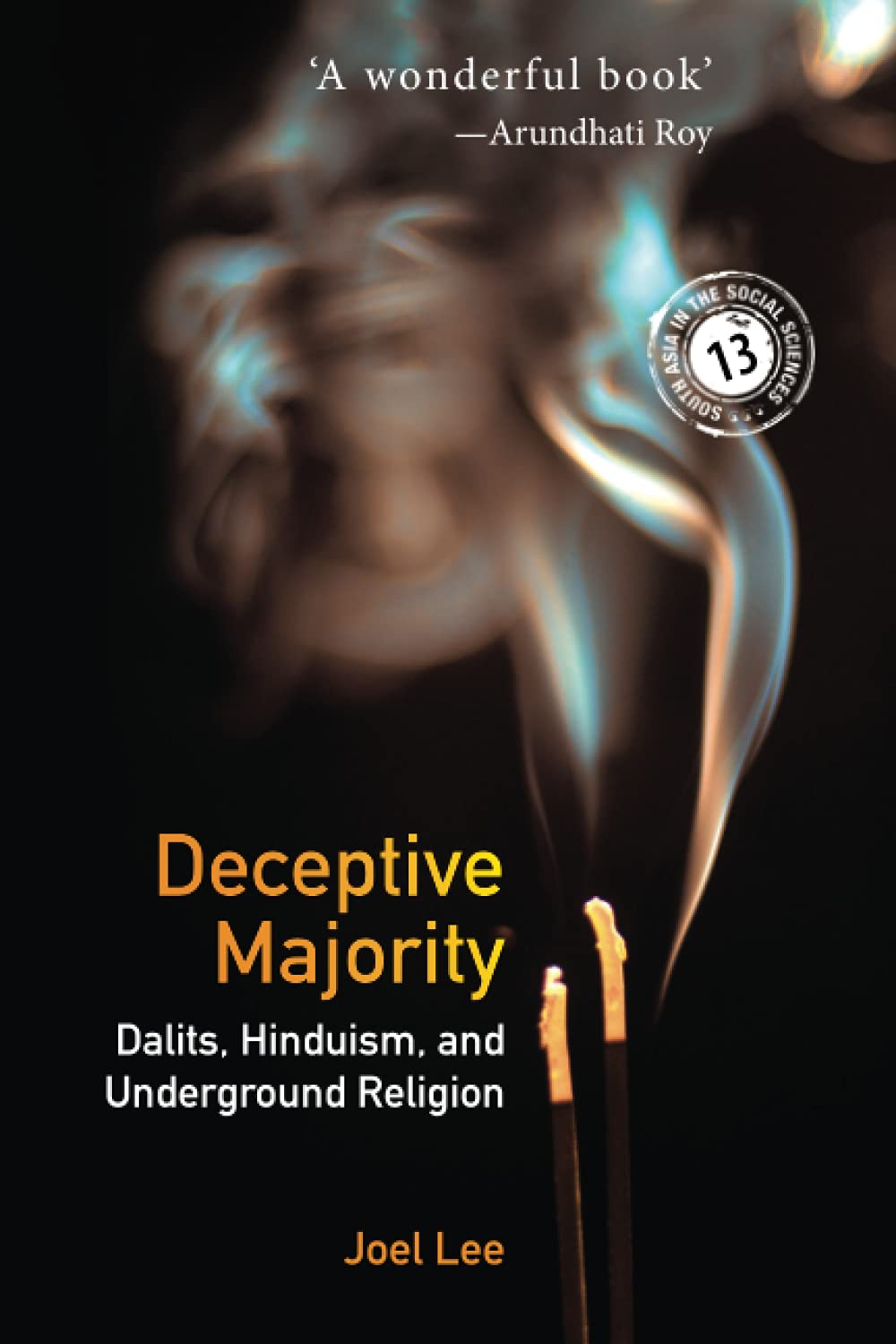
A conversion by change of name within Hinduism is a clandestine conversion which can be of no avail—AmbedkarThe quote above is a reflection of the fact that Dr. Ambedkar denounced any potential for liberation for Dalits within Hinduism. Despite that, several Dalit castes connect themselves to the great tradition of Hinduism and perceive religion as an emancipatory space. The desire for pain-sharing, an aspiration to equality, dignity and self-respect provided grounds for religious traditions to enter into the life world of the marginalized. Alternative religious traditions helped provide this…
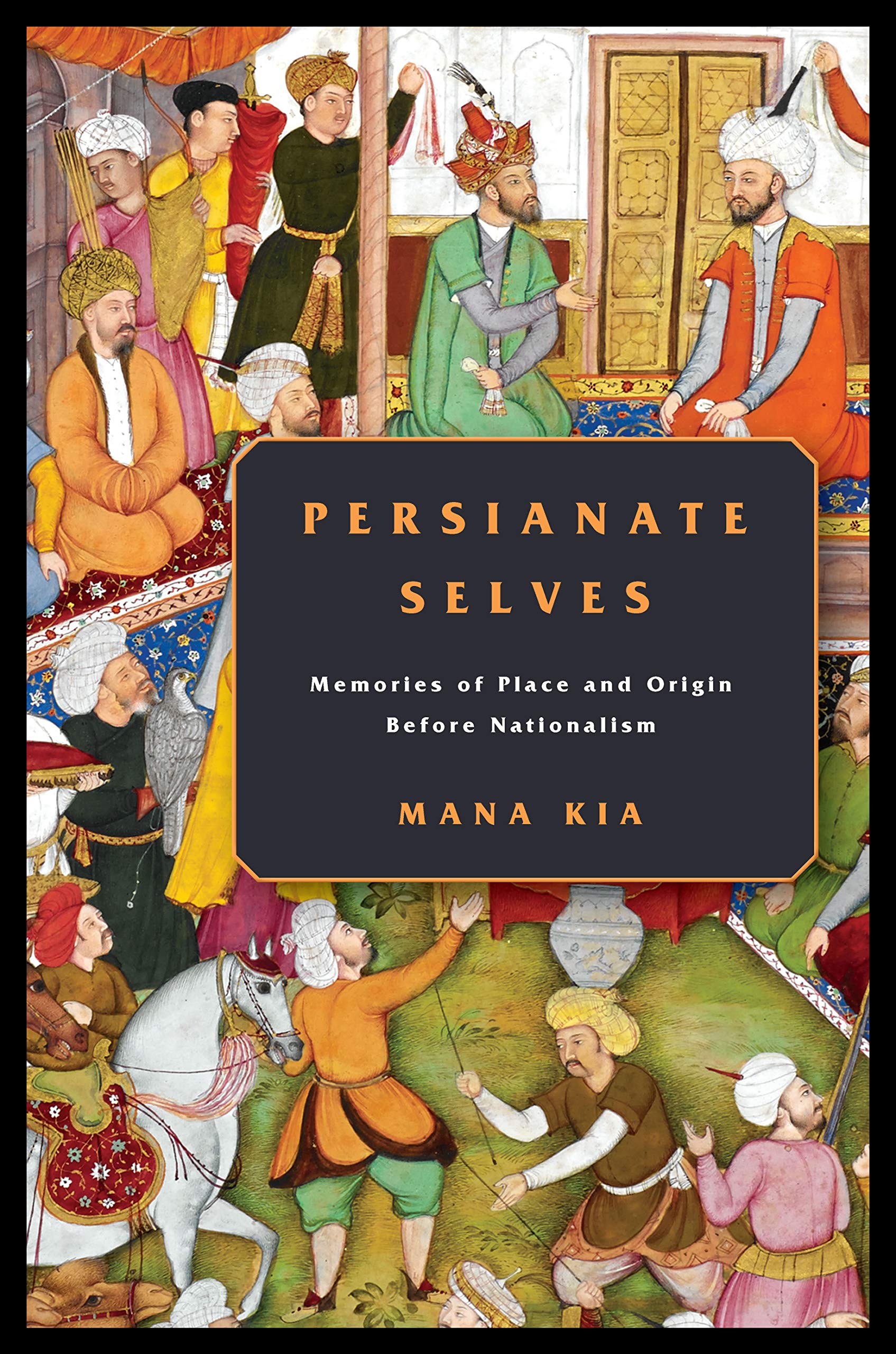
Shaikh Ali Hazin, one of the greatest Persian poets of the day, moved to Delhi from Isfahan in 1734, a couple of years after the great Safavid dynasty of Iran was ended by Nadir Shah Afshar. While he was widely venerated in India, Shaikh Hazin denigrated Indian writings in Persian, which he found corrupted and unfathomable. In response Khan Arzu, one of the greatest scholars of the age, an uncle to the poet Mir, and a philologist who anticipated William Jones by a few decades, defended Indians’ ability to compose in Persian as they liked by making a distinction between the spoken language and the learnt literary language…
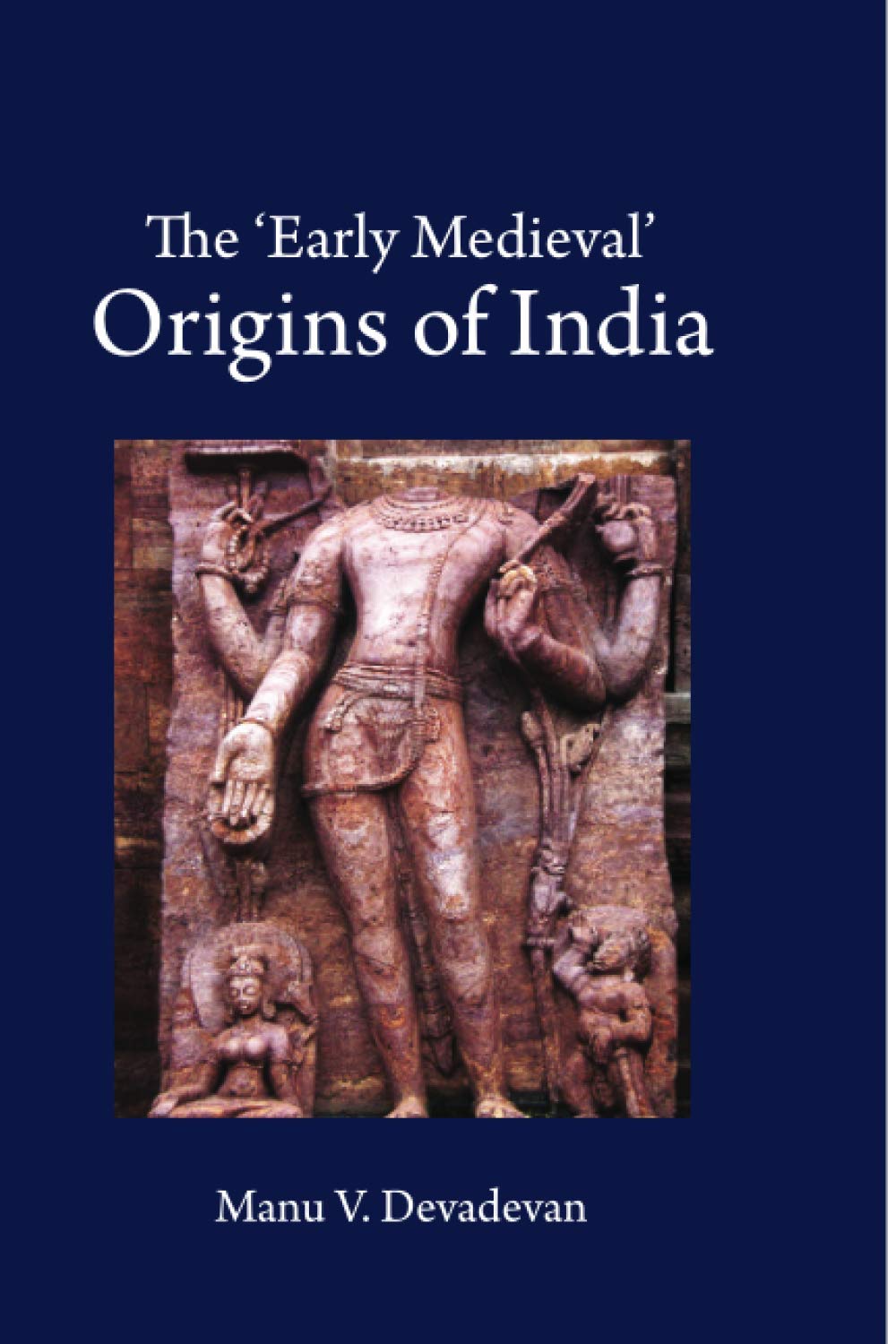
The volume by Manu V Devadevan, The ‘Early Medieval’ Origins of India, is a significant contribution to pre-modern South Asian history. A reappraisal of the historiography of the period 600-1200 CE referred to as the ‘early medieval’, it is a valuable addition to the debate on what India is and how it should be understood. Critical of the scheme of periodization in Indian history and prevailing wisdom on early medieval period, the book is provocative and radical in its claim that India is a product of the early medieval times. It stands strongly against the popular imagination and existing knowledge that trace the beginnings of ‘Indian civilization’ to the second millennium BCE or the age of the Vedas…