
Arun Vishwanathan and Rajaram Nagappa
The slim volume under review is the end-product of a round table organized by the National Institute of Advanced Studies (NIAS), Bangalore in May-June 2012.
Reviewed by: S. Samuel C. Rajiv

The slim volume under review is the end-product of a round table organized by the National Institute of Advanced Studies (NIAS), Bangalore in May-June 2012.
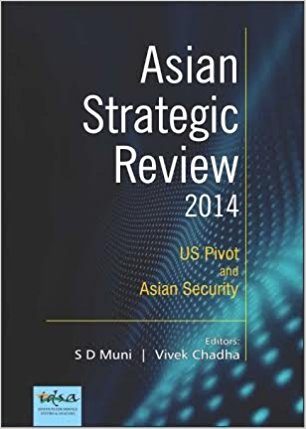
Asian Strategic Review carries forward the tradition of the Institute of Defence Studies and Analyses to bring out an analytical volume comprising contributions of its own researchers on a current theme having wider ramifications for defence and security in the world in general and India in particular.
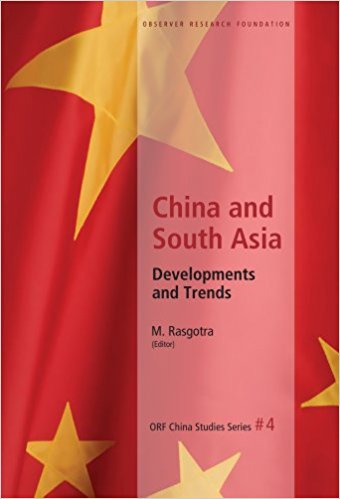
Our large neighbour to the north, the People’s Republic of China, has been the subject of Indian scholarship for some time now. Much of this scholarship is focused on issues of traditional security, China’s strides in military modernization and the implications for India.
A.G. Noorani’s The Kashmir Dispute 1947-2012 in two volumes presents a substantial and systematic compilation of a lifetime’s work on and around the dispute, much of it already published in various books, journals and magazines over five decades.
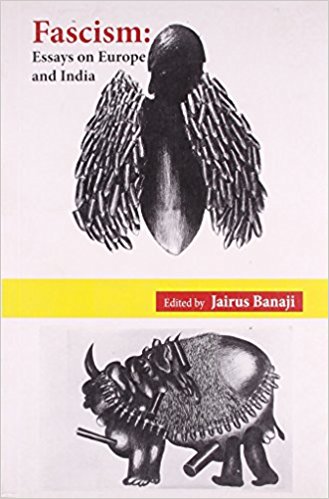
Few realize that the dynamics of the emergence of nations and nationalism in Europe and elsewhere butchered and wiped out many societies and communities.
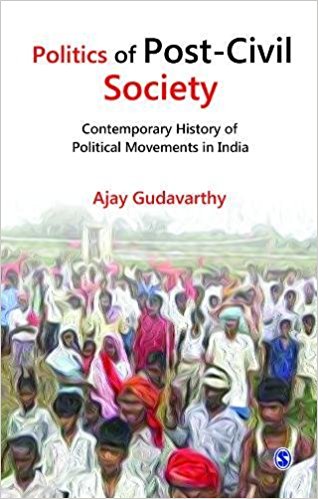
Social movements and the politics surrounding them is a major concern for political science scholars all around the globe. While sociologists are largely concerned with giving accurate descriptions and providing explanations for the success or failure of social movements, political scientists go a bit further into debating the normative and strategic goals and motives of these movements.