Asma Faiz

Asma Faiz’s excellent book on Sindhi nationalism fills a much needed gap on ethnicity and ethnic conflict in Pakistan. Works on ethnicity in Pakistan—both research articles and books—have focused on providing a more general outline of ethnic conflict and movements including that of Tahir Amin, Adeel Khan, Mehtab Ali Shah or have focused more…


Reviewed by: Farhan Hanif Siddiqi
Abdul Basit

Abdul Basit’s book consistently shows that he eschewed the role of an envoy during his assignment in India; instead, becoming a rigid zealot, he became a bone stuck in the throat of his government. An elected and secure government would have reassigned him quickly enough. That Prime Minister Nawaz Sharif did not do so was on account of Pakistan’s…


Reviewed by: Vivek Katju
N.S. Vinodh

Amid the forest of debates about the relations between history and biography one line of disputation stands out, that between the promoters and detractors of the Great Man Theory. Thomas Carlyle, the 19th century Scottish historian was its most well known promoter; he famously said that the history of the world is but the biography of great men…


Reviewed by: IP Khosla
Andrew B. Liu

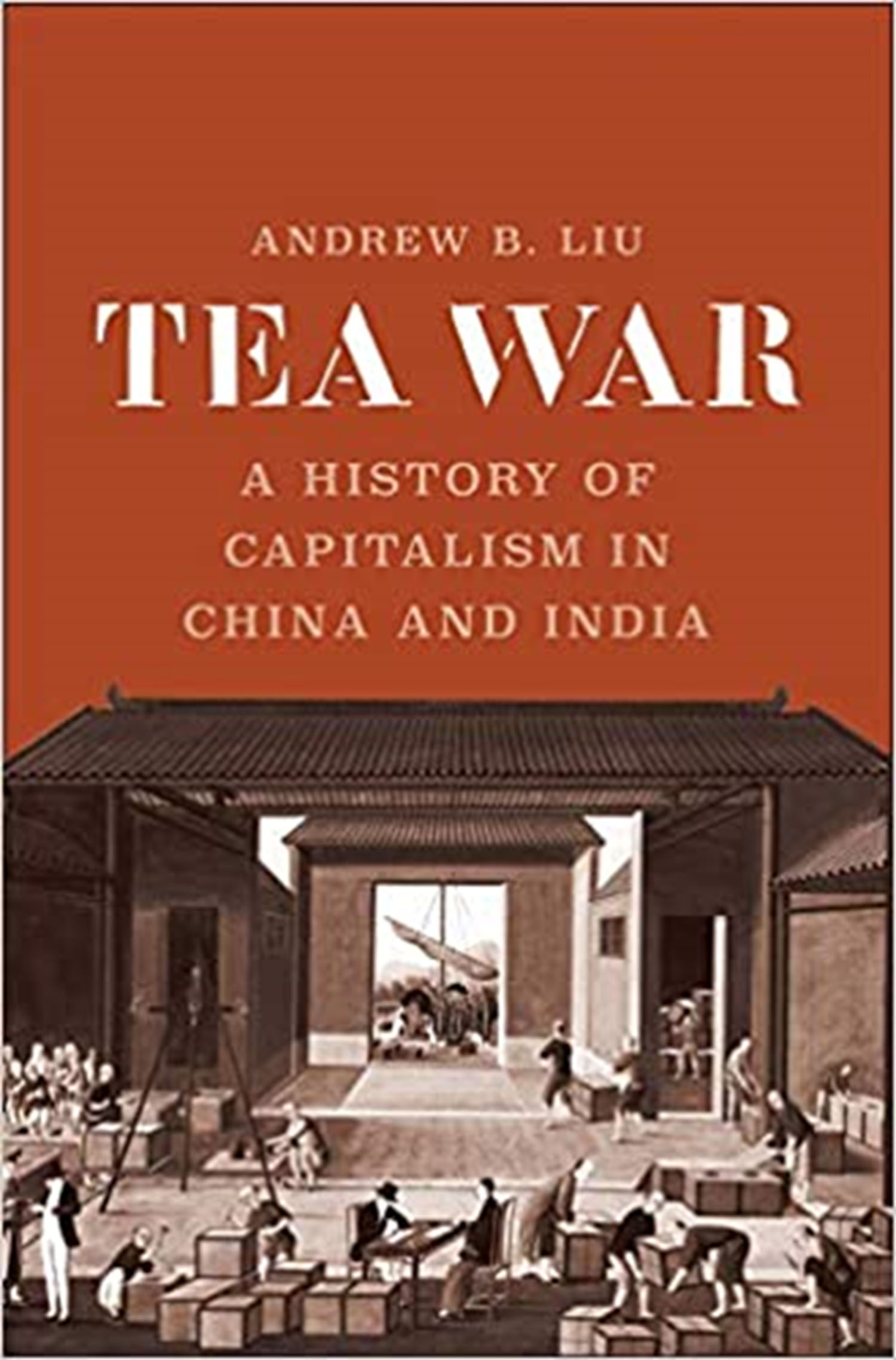
In the nineteenth century, the Wuyi Mountains in northwest Fujian emerged as a key centre of China’s famed tea industry. Located in the mountain cliffs were more than a hundred factories producing a global commodity that had become integral to the country’s economic fortunes. The factories were maintained by merchants based in the market town of Chongan…


Reviewed by: Prashant Kidambi
Vijay Gokhale

In school, I had always noticed ‘China (Tibet)’ or ‘Tibet (China)’  on maps showing India’s borders and wondered why no one talked about it, why the fuss was always about Pakistan. And in those days there really were not too many places to go looking for information either. So when the ‘Tiananmen Incident’ of June 4, 1989  happened in China…


Reviewed by: An Indian Perspective