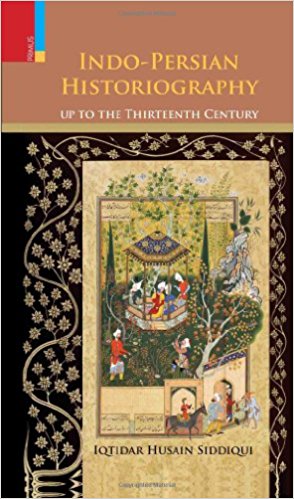
Mainstream historiography of Medieval India has hardly explored the early period of the Delhi Sultanate. As the author states in the Preface, the modern historians of Medieval India, with the exception of Peter Hardy, have utilized the compiled histories of the Medieval Period primarily as sources of information…
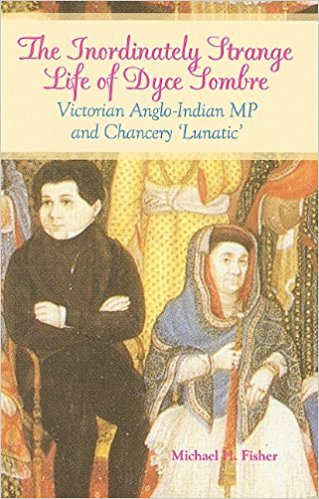
Dislocation and rootlessness are modern phenomena which stem from the emergence of the nation state and has opened up an entire arm in academics that focuses ‘on those moments or processes that are produced in the articulation of cultural differences.’ As Homi Bhabha puts it, ‘The move away from the singularities…
2010
The book, was first published by Harvard University Press in 1978. At that time, it was one of the few studies on the Portuguese em-pire in Asia focusing on the 17th century and specifically on south-western India and was hailed as a major contribution. The book has been republished by Manohar in 2010 (without any revisions) making it…
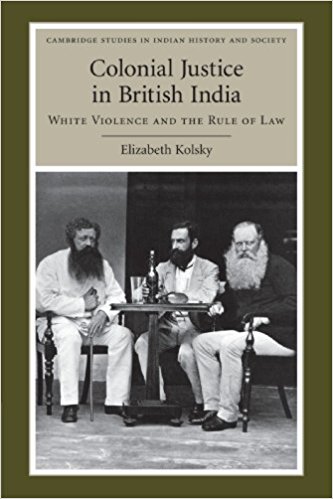
this cant about England’s ‘mission’ in India is an afterthought only. Clive and Hastings would have laughed at It is no exaggeration to say that the English school-boy is a young savage At an age when liberal studies should begin to expand his mind and social restraints should curb his egotism and form the heart,…
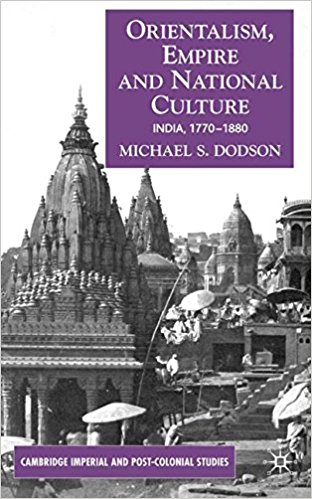
The West’s gaze of the East is being looked upon with some suspicion in recent years, especially where there have also been relations of power between the observer and the observed. Michael Dodson’s book lays bare the complexity of the ‘persistent truths’ of Orientalism, its ideological underpinnings and its modus operandi…
Of the ideologues of empire in the late nineteenth century, Henry Maine had perhaps the most profound intellectual impact oncontemporaries, ranging from arch-imperialists of the Lugard variety at one extreme to Marx and Engels at the other end of the ideological spectrum. More than anything he influenced…